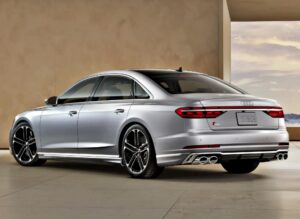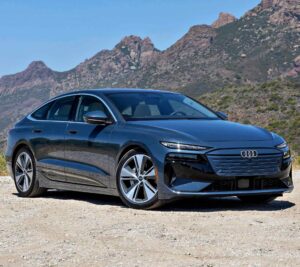
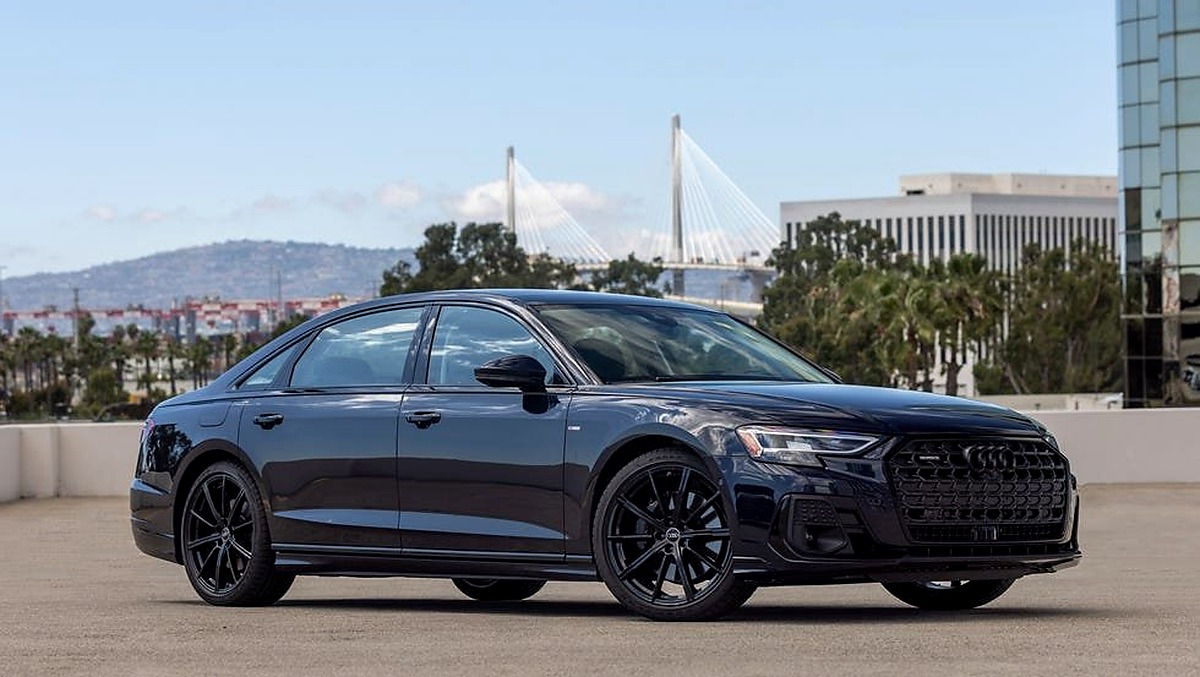
The automotive industry’s most aggressive cost-cutting maneuver just got bolder. According to a recent report by THESUPERCARBLOG.COM, the next-generation Audi A8 Porsche could be manufactured at Porsche’s Leipzig facility, sharing its technical DNA with the upcoming Porsche Panamera. This isn’t just another platform-sharing whisper—it’s a calculated business move that reshapes how Volkswagen Group deploys its luxury sedan arsenal.


The Platform Economics Game
Furthermore, this arrangement makes undeniable sense for both brands. By consolidating development and production at a single facility, VW Group spreads engineering costs across two distinct marques while maintaining separate design identities and market positioning. The Audi A8 Porsche won’t feel like a rebadged Panamera—it’ll be a distinct competitor with its own character, pricing strategy, and buyer demographic.
However, this isn’t revolutionary thinking. The Porsche Taycan and Audi E-Tron GT already prove the model works flawlessly. Both vehicles share the same J1 platform architecture, yet they occupy entirely different market segments and command vastly different price points. Consequently, the same blueprint could elevate the Audi A8 Porsche into a formidable competitor without requiring a ground-up engineering overhaul.
The Three-Year Flagship Void
Here’s where the strategy gets risky. The current Audi A8 is expected to exit production sometime next year, yet the next-generation model won’t arrive before 2030. That’s a roughly three-year gap—a significant vulnerability in the full-size luxury sedan segment. Meanwhile, BMW’s 7-Series, Mercedes-Benz S-Class, and Genesis G90 will continue dominating showrooms unchallenged.
Therefore, Audi faces a critical decision: either accelerate the Audi A8 Porsche timeline or risk losing market share to aggressive competitors. The luxury sedan battlefield doesn’t tolerate three-year absences. Moreover, this production delay raises questions about whether VW Group’s modular platform strategy is genuinely optimized or simply stretched too thin across too many brands.
What This Means for Enthusiasts
Ultimately, the Audi A8 Porsche represents a pragmatic evolution in automotive manufacturing. Shared platforms don’t diminish driving dynamics or design excellence—they simply optimize resource allocation. In fact, the next-generation model could inherit Porsche’s legendary chassis tuning expertise while maintaining Audi’s technological sophistication and interior refinement.
The real question isn’t whether platform-sharing works. It’s whether Audi can afford to sit out the luxury sedan wars for three years. That’s a gamble even VW Group’s deep pockets might struggle to justify.

Liam Campbell
Industry Intelligence & News Editor at Auto News Magazine. Tracking prototype spy shots, Nürburgring development mules, automaker corporate moves, and breaking global automotive scoops.
View all articles by Liam Campbell →