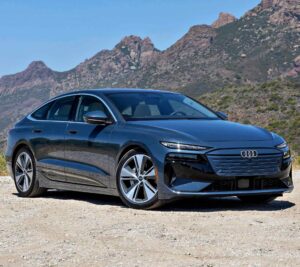
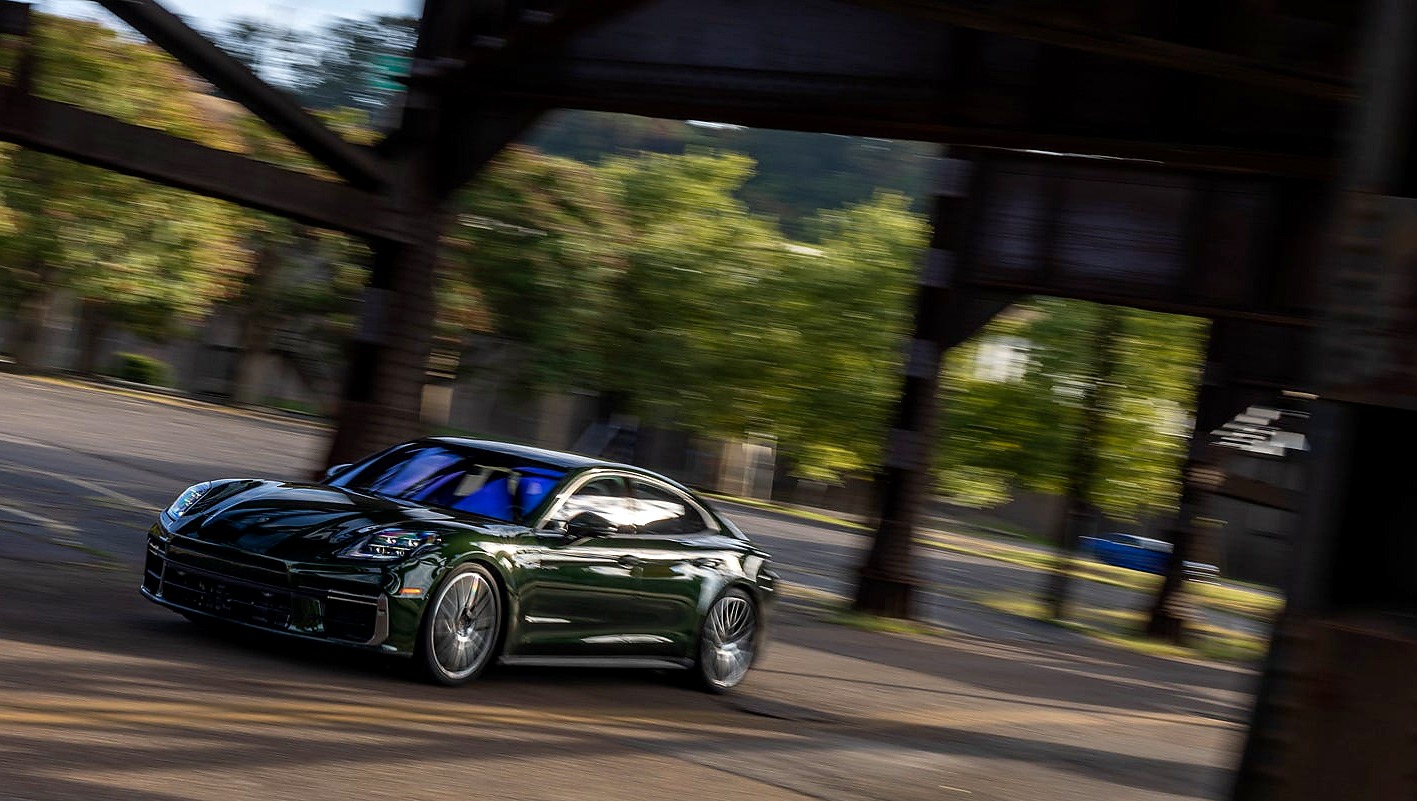
The official debut of the Porsche Audi Platform marks a defining milestone. The Volkswagen Group just dropped a bombshell that reshapes the entire luxury sedan landscape. According to Volkswagen Group reporting via Automotive News and German newspaper Heilbronner Stimme, the next-generation Audi A8 and Porsche Panamera will share a common platform and manufacturing footprint at Porsche’s Leipzig facility. This isn’t merely platform-sharing economics—it’s a strategic consolidation that signals how aggressively the VW Group is restructuring its luxury sedan portfolio in an era of electrification and margin compression.


The Platform Economics Behind This Move
Here’s where the business case gets fascinating. The Porsche Audi Platform strategy directly mirrors the existing Porsche Taycan and Audi E-Tron GT partnership, proving that VW Group executives have already validated this playbook. However, consolidating two flagship sedans under one roof represents a far bolder commitment than electric sports cars.
Furthermore, moving Audi A8 production away from traditional Audi factories to Porsche’s Leipzig plant signals ruthless cost discipline. Manufacturing overhead, tooling amortization, and supply-chain logistics all compress when you eliminate redundant production lines. Yet this decision creates immediate headwinds for employees at Audi’s historical manufacturing sites, raising legitimate concerns about job security across the VW Group’s German operations.
The Five-Year Sedan Drought Nobody Saw Coming
Here’s the catch: the current Audi A8 ends production sometime in 2025. The next-generation model won’t arrive until 2030 at the earliest. That’s a five-year gap—an eternity in the luxury sedan segment where competitors like BMW’s 7-Series and Mercedes-Benz’s S-Class will launch multiple refresh cycles.
Therefore, Audi is banking on the new Q9 flagship SUV to absorb demand from A8 loyalists during this interim period. It’s a calculated gamble that assumes SUV-hungry luxury buyers will accept a crossover as a substitute for a traditional four-door sedan. Specifically, this strategy reflects broader industry trends favoring high-riding vehicles, but it abandons a core customer segment that values sedan dynamics and prestige.
What This Means for Brand Identity
Despite sharing platform bones, expect Audi and Porsche to diverge dramatically in execution. The Porsche Panamera will emphasize performance tuning, aggressive styling, and track-focused dynamics. Meanwhile, the Audi A8 will prioritize luxury appointments, cutting-edge infotainment, and executive comfort.
In addition, this partnership doesn’t guarantee identical powertrains or battery architectures. Each brand will calibrate its own engine lineup, transmission programming, and suspension geometry to maintain distinct market positioning. Consequently, buyers won’t feel like they’re purchasing rebadged twins—they’ll experience two genuinely different luxury sedans built on shared underpinnings.
The Broader VW Group Restructuring
This Porsche Audi Platform announcement is part of a larger VW Group transformation aimed at competing against Tesla, Chinese EV makers, and traditional rivals simultaneously. By consolidating manufacturing, the group frees capital for electrification investments and software development—areas where legacy automakers are hemorrhaging market share.
Ultimately, the Porsche Audi Platform strategy represents a high-stakes bet that luxury buyers will accept fewer sedan options if those options deliver superior technology, performance, and value. Whether this gamble pays off depends entirely on execution between now and 2030. For more industry analysis, check out Auto News Magazine.

Liam Campbell
Industry Intelligence & News Editor at Auto News Magazine. Tracking prototype spy shots, Nürburgring development mules, automaker corporate moves, and breaking global automotive scoops.
View all articles by Liam Campbell →