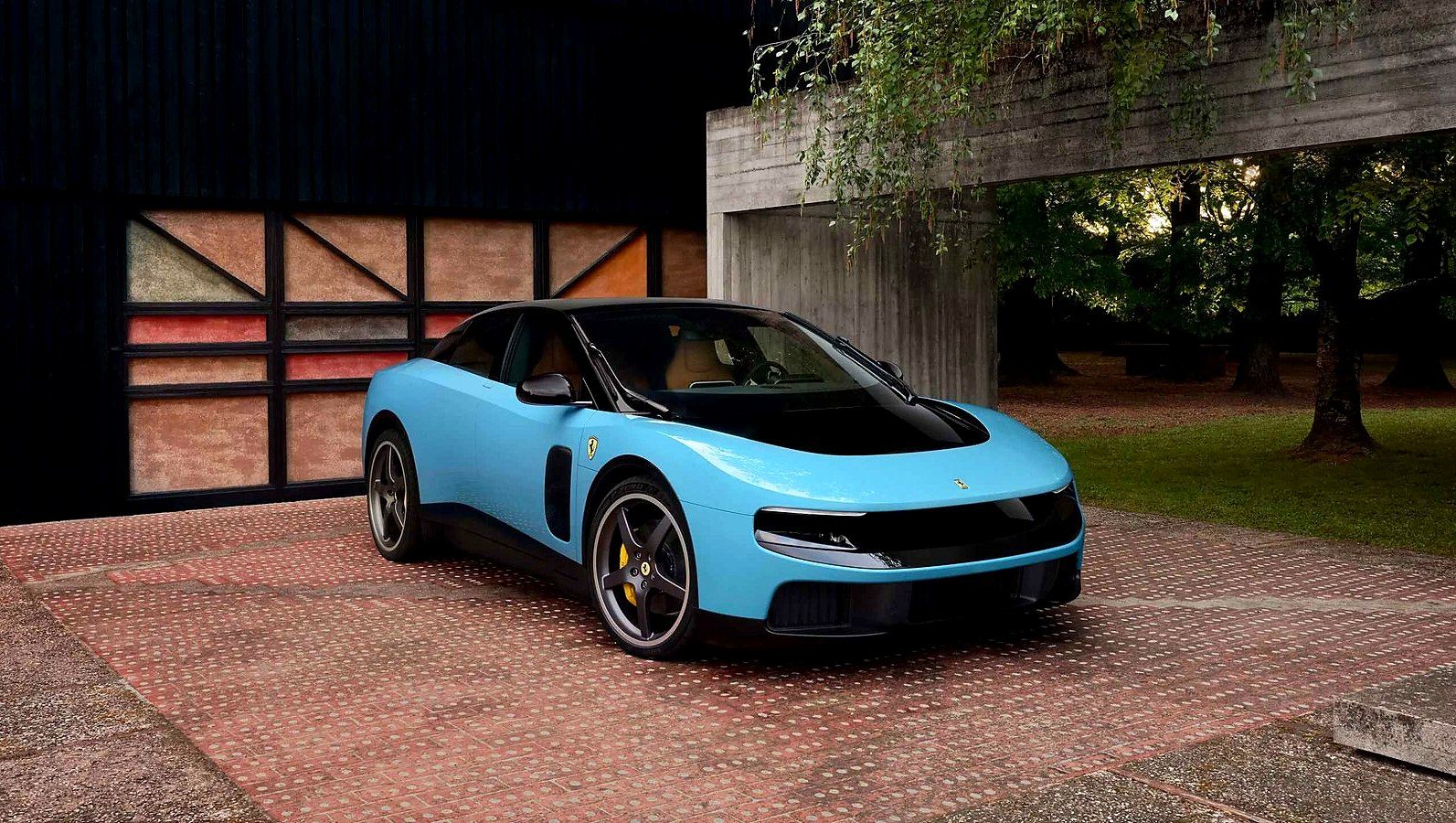
In July 2016, Jeff Bezos casually told Ferrari Chairman John Elkann something that would reshape the Prancing Horse’s future. “I don’t know anything about cars, but I really know a lot about innovation,” the Amazon founder said. “I think you need to think seriously about building an electric Ferrari.” That conversation, buried in automotive lore until recently, became the genesis of Ferrari EV strategy—and arguably the most divisive decision in the brand’s storied history. According to a recent report by CARBUZZ.COM, Italian news agency ANSA uncovered this fascinating origin story when interviewing Elkann.
The Bezos Effect On Ferrari’s Electrification
However, Bezos’s suggestion wasn’t immediately actionable. Elkann let the idea simmer for years before Ferrari officially announced EV ambitions in 2022. Therefore, the Ferrari Luce didn’t materialize until May 25, 2026—a full decade after that fateful conversation. The delay reveals a critical truth: innovation requires both vision and execution. Bezos planted the seed; Ferrari had to nurture it through silicon-carbide inverters, 800V charging architectures, and thermal management systems that would make any EV engineer weep.
Why The Luce Feels Like A Generic EV
Furthermore, the problem isn’t Bezos’s advice—it’s Ferrari’s interpretation of it. Stripping away the Prancing Horse badge, the Luce reads as just another featureless EV with zero personality. In fact, enthusiasts argue the brand reinvented the wheel instead of building an electric supercar that honors Ferrari’s DNA. Consequently, the backlash was immediate and merciless. Memes flooded social media. Purists mourned the loss of naturally aspirated screams and mechanical viscerality. The Ferrari EV strategy became a case study in how not to transition a heritage brand into the electrified future.
Execution Over Innovation
Abstractly speaking, Bezos’s counsel was sound. Every manufacturer must prepare for electrification, and first-mover advantage matters. Moreover, Ferrari recognized this necessity. Yet the Luce’s bland styling and disconnected character suggest the brand prioritized compliance over creativity. Specifically, the thermodynamic efficiency and peak charging plateau may be flawless, but the emotional connection—the computational horsepower that makes a Ferrari feel alive—got lost in translation.
Ultimately, Ferrari now understands what not to do with its next electric model. The public outcry serves as invaluable feedback. Whether the brand can recalibrate its Ferrari EV strategy to blend innovation with authenticity remains the defining question. Bezos planted the seed; now Ferrari must prove it can grow something truly extraordinary from it.

Julian Hayes
Future Mobility & Technology Editor at Auto News Magazine. Covering the next frontier of electric powertrains, 800V architectures, solid-state battery chemistry, and autonomous vehicle platforms.
View all articles by Julian Hayes →