Aston Martin just executed a seismic strategic pivot. According to a recent report by ABC27.COM, CEO Adrian Hallmark has officially pushed the Aston Martin EV into a 2033–2035 launch window—a staggering eight-year delay from the original 2025 target. This isn’t capitulation. It’s calculated optionality masquerading as patience.


The Regulatory Reckoning Behind The Delay
Here’s the thermodynamic reality: Aston Martin EV timing now aligns with major EU and UK zero-emission mandates hitting their peak enforcement around 2035. However, Hallmark’s framing reveals something deeper. For a low-volume manufacturer, committing to an EV platform years before regulations crystallize and battery chemistry stabilizes is financial recklessness. Therefore, the company is weaponizing regulatory uncertainty as strategic cover.
The UK Zero Emission Vehicle mandate and EU fleet-emissions targets remain in flux. Policymakers continue debating flexibility mechanisms and technology pathways. Consequently, Aston Martin avoids designing around moving goalposts. By 2033, silicon-carbide inverter architectures will be mature. Solid-state battery chemistries may finally deliver the energy density and thermal stability that current lithium-ion cells promise but rarely achieve.
Why Luxury Buyers Still Crave Combustion Character
The deeper issue? Luxury EV demand has disappointed across the segment. Furthermore, Aston Martin customers aren’t buying transportation—they’re buying mechanical theater. A V12 Vanquish or V8 Vantage sells visceral engagement: throttle mapping precision, induction roar, torsional character that no electric motor can authentically replicate.
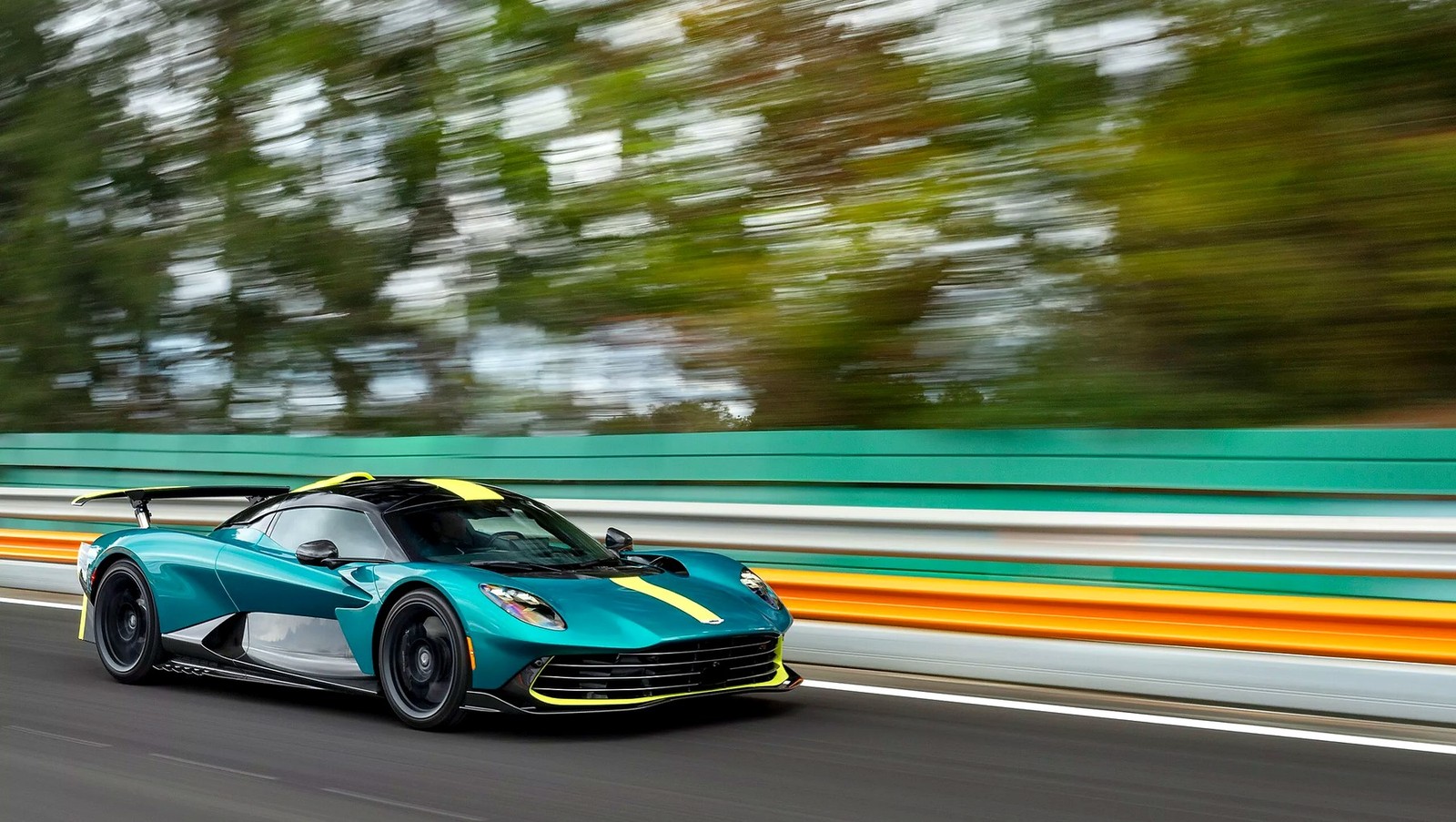
Meanwhile, the company’s newest products double down on combustion. The DBX GT reinforces this philosophy: high-performance gasoline vehicles aren’t interim products awaiting replacement. They’re the core identity. In addition, Aston Martin has already deployed the Valhalla plug-in hybrid, proving hybridization remains viable. Yet Hallmark hints that future electrification may skip PHEV architecture entirely—larger battery packs add unacceptable mass and compromise the lightweight ethos that defines Aston Martin’s DNA.
The Lucid Advantage: Waiting for Better Silicon
Aston Martin hasn’t abandoned EV groundwork. Specifically, the 2023 Lucid partnership grants access to cutting-edge electric powertrain and battery technology. Additionally, Mercedes-Benz relationships provide systems integration expertise. The strategic calculus is elegant: delay allows Aston Martin to absorb next-generation motor architectures, 800V+ charging protocols, and thermal management innovations that competitors are still debugging.
By 2033, peak charging plateaus will exceed 350 kW. Regenerative braking transitions will be seamless. Over-the-air architecture will be standard, not revolutionary. Aston Martin bets that arriving late with superior technology beats arriving early with yesterday’s silicon.
The Resale Gamble: Will Collectors Care?
Here’s my prediction: final-generation V12 Aston Martins (2030–2035) will command collector premiums rivaling modern classics. Enthusiasts will view them as the last combustion hurrah from Gaydon. Conversely, the 2033 Aston Martin EV faces an authenticity crisis—it arrives after the brand’s soul has already been commoditized by Tesla, Lucid, and Porsche Taycan ownership.
Ultimately, Aston Martin’s delay isn’t cowardice. It’s a calculated bet that customer demand, regulatory clarity, and battery chemistry will converge by 2033. Until then, the V8 and V12 get their longest farewell.

Julian Hayes
Future Mobility & Technology Editor at Auto News Magazine. Covering the next frontier of electric powertrains, 800V architectures, solid-state battery chemistry, and autonomous vehicle platforms.
View all articles by Julian Hayes →