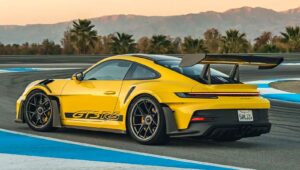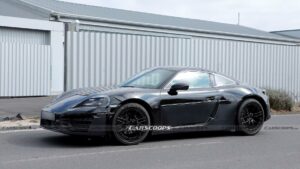
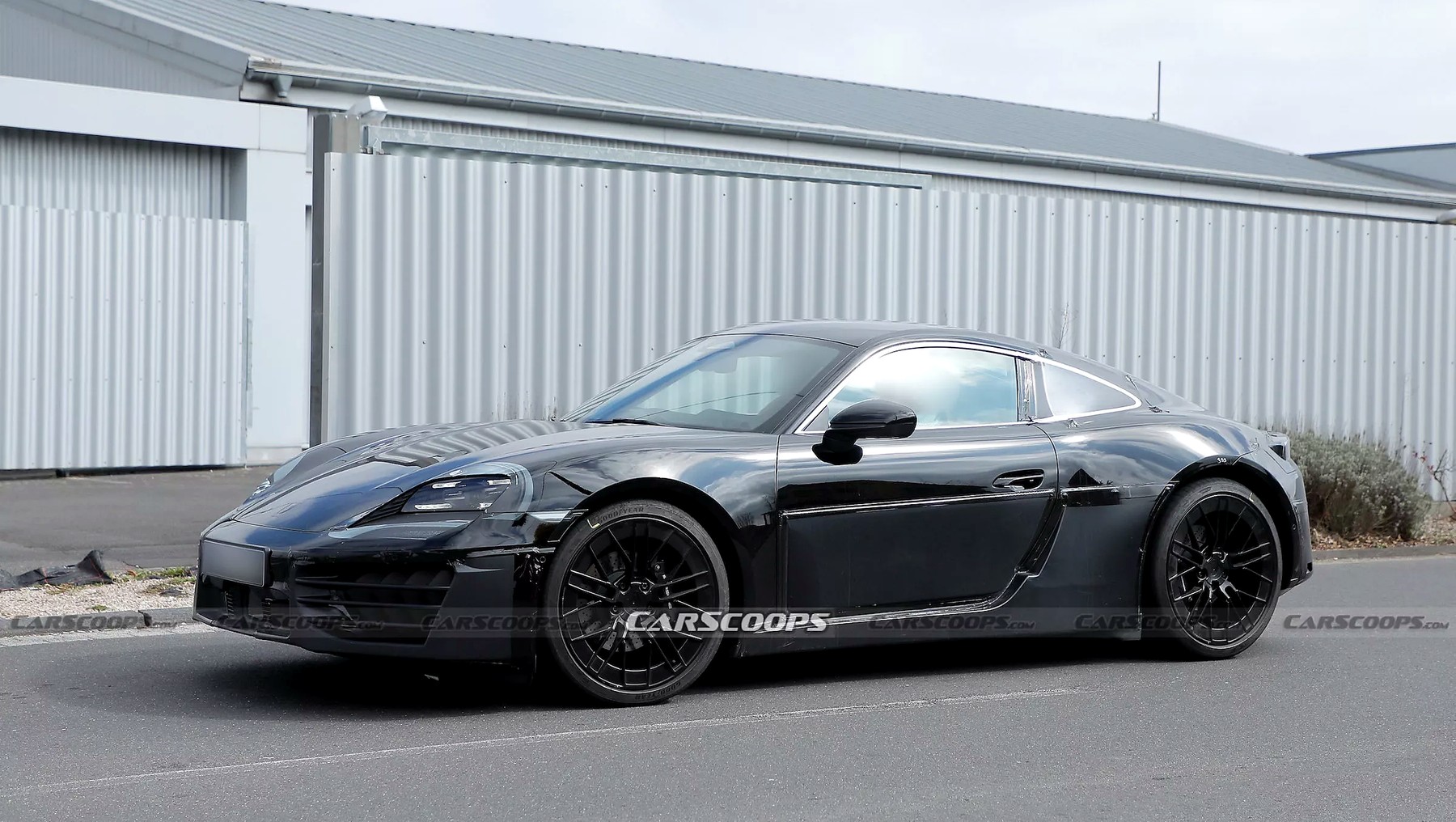
Porsche just executed a thermodynamic power move that BMW’s Munich engineers are probably still scratching their heads over. According to a recent report by BMWBLOG.COM, the Porsche Electric Sports (718 EV) is locked in for 2027 production, and the architecture is nothing short of revolutionary. Instead of stuffing batteries into the floor like every other EV manufacturer, Zuffenhausen is mounting the pack mid-engine—exactly where the flat-six used to live.
E-Core Architecture: Battery as Chassis Component
Here’s where the engineering brilliance crystallizes. The E-Core Architecture splits the battery across three modules arranged on two levels, occupying the traditional engine bay. Therefore, Porsche achieves a 44.8:55.2 front-to-rear weight distribution—nearly identical to the combustion-engine Boxster and Cayman. This isn’t just clever packaging; it’s a fundamental preservation of mid-engine character without the internal combustion penalty.
Furthermore, by keeping the battery out of the floor, Porsche lowers the seating position and center of gravity simultaneously. The result? An “authentic sports car feeling” that doesn’t require extensive carbon-fiber construction to offset EV weight bloat. CEO Michael Leiters, who arrived skeptical in January, drove the prototype and became an instant convert.
| ⚙️Engine / Powertrain | Dual Electric Motors (Mid-Engine Mounted Battery) |
| 🐎Power Output | 450-550 HP (est.) |
| ⚡Peak Torque | 600-700 Nm (est.) |
| ⏱️0-60 mph (0-100 km/h) | 0-60 mph in 3.8-4.2s (est.) |
| 🚀Top Speed | 160+ mph (est.) |
| 🔄Drivetrain / Gearbox | Mid-Engine Electric / RWD |
| 💰Starting Price / Est. | $85,000 – $120,000 (est.) |
The Weight Paradox: Agility vs. Range
However, the elephant in the room remains unresolved: absolute mass. Relocating the battery preserves dynamics, but it doesn’t erase the thermodynamic reality that lithium-ion cells weigh significantly more than gasoline. Consequently, Porsche must strike a delicate balance between battery capacity (range), structural rigidity, and the sub-3,500-pound curb weight expected of a true sports car.
A smaller battery could trim kilos, yet that sacrifices range. Meanwhile, extensive carbon-fiber construction would push pricing into stratospheric territory. The engineers at Zuffenhausen face a computational horsepower challenge: optimizing the thermal cooling loops, silicon-carbide inverters, and regenerative braking transitions to maximize efficiency without compromising the visceral engagement that defines the brand.
BMW’s Strategic Silence: A Missed Opportunity
In contrast, Porsche is taking the risk while BMW watches from the sidelines. Munich’s Neue Klasse platform centers on sedans and SUVs—the i3 Touring arrives 2027, the entry-level i1 in 2028. Spy shots hint at a possible electric i4 Convertible, yet no direct mid-engine sports car rival has been confirmed. This represents a notable strategic gap for a company with decades of driver-focused coupe and roadster heritage.
Ultimately, the Porsche Electric Sports arrives in 2027 as a calculated gamble on enthusiast dynamics. The 911 stays combustion-only. The 718 goes fully electric. BMW’s silence suggests caution—or perhaps a delayed response that could cost them market share in the premium EV sports segment.

Julian Hayes
Future Mobility & Technology Editor at Auto News Magazine. Covering the next frontier of electric powertrains, 800V architectures, solid-state battery chemistry, and autonomous vehicle platforms.
View all articles by Julian Hayes →