Koenigsegg Gemera engine: Why 600 HP From 3 Cylinders Couldn’t Convince Hypercar Buyers
 Marcus Vance
3 minutes read
Marcus Vance
3 minutes read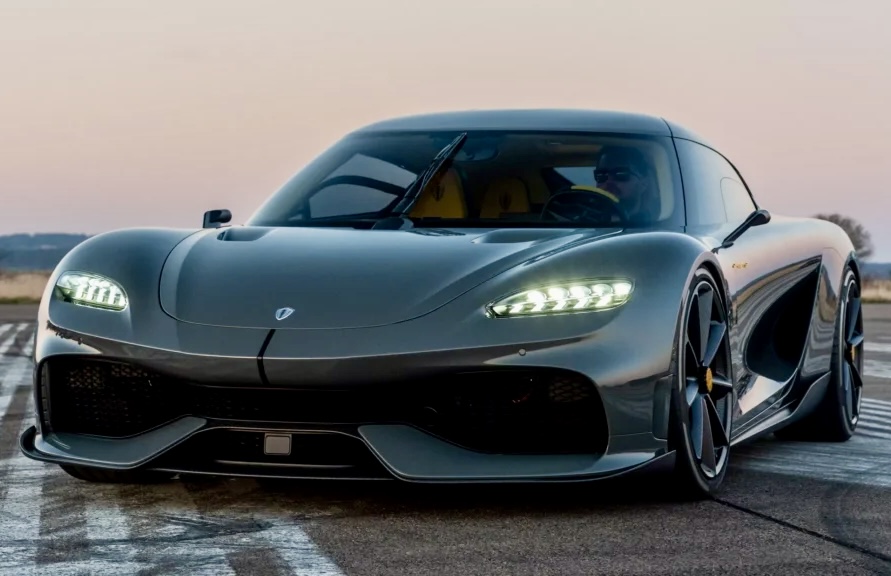
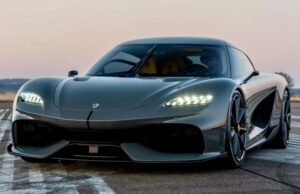
The Koenigsegg Gemera engine represents everything modern performance engineering can achieve when conventional rules are shattered. However, its radical three-cylinder architecture and sophisticated Freevalve technology couldn’t overcome one immutable truth: hypercar buyers crave soul over spreadsheets. This is the story of how engineering perfection met market reality—and lost.


The 3-Cylinder That Defies Logic
At first glance, the TFG (Tiny Friendly Giant) seems impossible. A 2.0-liter twin-turbo inline-3 producing 600 horsepower and 443 lb-ft of torque challenges everything we know about displacement and output. Furthermore, the numbers become even more absurd when you examine the cylinder dimensions: each of the three bores displaces roughly 667cc, making them substantially larger than the approximately 625cc cylinders in Koenigsegg’s own 5.0-liter V8.
This isn’t downsizing theater. Therefore, it’s a deliberate engineering philosophy that prioritizes mechanical strength and longevity over miniaturization. The 95mm bore and 93.5mm stroke create a long-stroke architecture that resists detonation and mechanical stress. Consequently, the engine spins reliably to 8,500 rpm without fragility or compromise.
| ⚙️Engine / Powertrain | 2.0L Twin-Turbo Inline-3 (TFG) |
| 🐎Power Output | 600 HP @ 7,500 rpm |
| ⚡Peak Torque | 443 lb-ft |
| ⏱️0-60 mph (0-100 km/h) | 0-60 mph in ~2.8s (est.) |
| 🚀Top Speed | 240+ mph (est.) |
| 🔄Drivetrain / Gearbox | Hybrid AWD (3-cyl + V8 + Electric Motor) |
| 💰Starting Price / Est. | $1.9M (est.) |
Freevalve: The Valvetrain Revolution
The real innovation lies beneath the surface. Koenigsegg ditched the conventional camshaft entirely, replacing it with electro-hydraulic-pneumatic actuators that control each intake and exhaust valve independently. In addition, this Freevalve system eliminates the throttle body entirely, reducing pumping losses and allowing the engine to breathe with surgical precision at every RPM.
The result? Throttle response that feels instantaneous. Moreover, the engine can optimize its breathing pattern in real-time, adapting valve timing, lift, and duration to match driving conditions. According to Koenigsegg, this technology delivers 300 horsepower per liter—a figure that would make most manufacturers weep with envy.
Why Buyers Said No Anyway
Yet here’s where the story takes a sobering turn. Despite this engineering masterpiece, Gemera customers overwhelmingly chose the traditional 5.0-liter V8 option. Specifically, they rejected the 3-cylinder for reasons that no dyno sheet can quantify: exhaust character, mechanical theater, and the intangible soul that only a naturally-aspirated V8 can deliver.
The Koenigsegg Gemera engine proves a harsh lesson: raw efficiency and power density don’t move the needle in the hypercar world. Ultimately, collectors want visceral engagement, not laboratory perfection. They crave the mechanical symphony of eight cylinders, not the clinical precision of three. That’s not a flaw in Koenigsegg’s engineering—it’s a revelation about what truly drives hypercar passion.
Marcus Vance
Senior Track & Performance Editor at Auto News Magazine. Veteran automotive journalist specializing in chassis dynamics, apex telemetry, track-day specials, and high-revving mechanical purity.
View all articles by Marcus Vance →