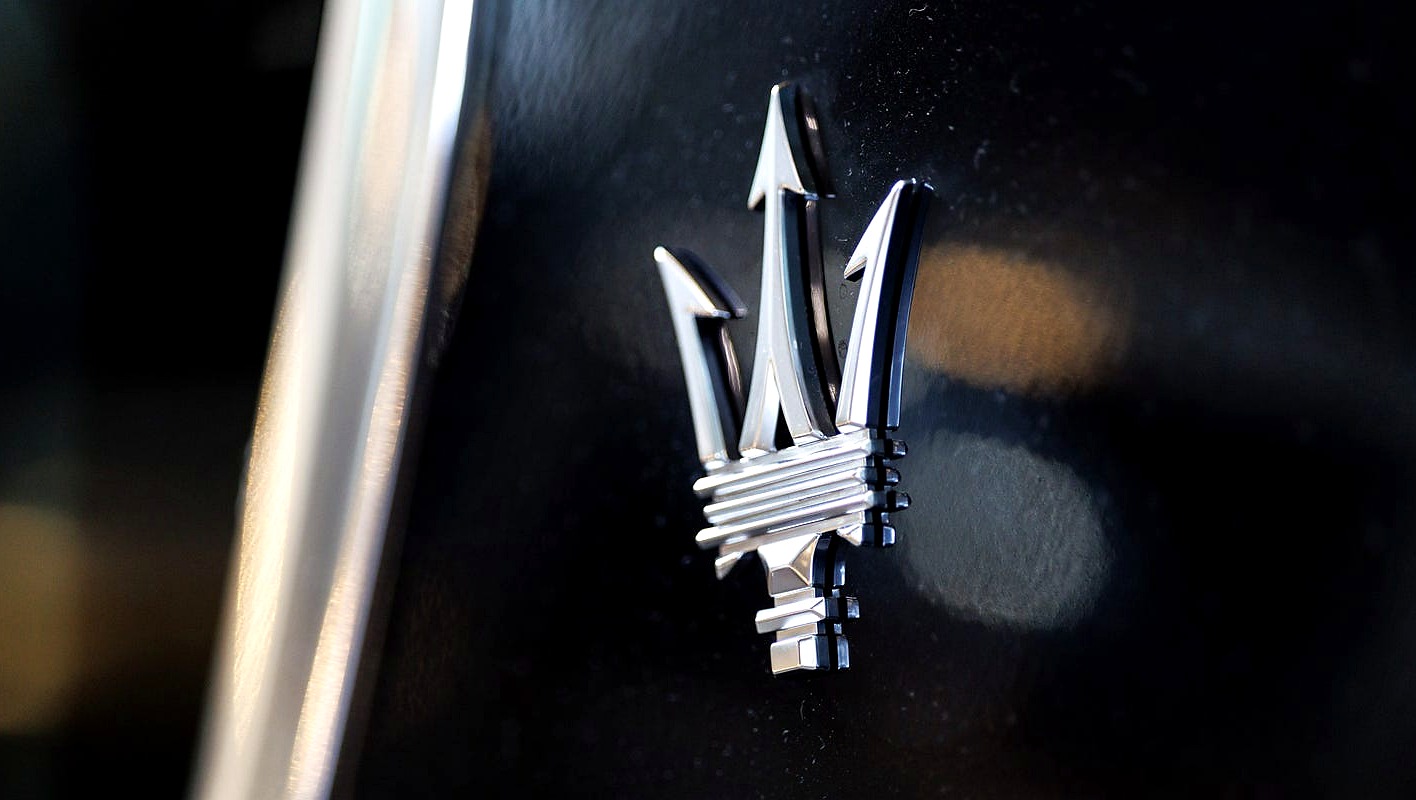
Maserati racing ambitions are stirring again after decades on the sidelines. Maserati Racing Strategy once ranked among motorsport’s giants, yet today the brand competes mainly in lower-tier GT categories. Leadership now hints at bigger plans, though nothing is guaranteed.
Maserati Racing Strategy Starts in GT
Instead of a GT3 car, a GT2-spec MCPura races in the amateur-focused class. Global chief marketing officer Cristiano Fiorio admits the category “didn’t skyrocket as we all expected.” Still, the program produced the GT2 Stradale, a road car born from the racing effort.
The next step is the GranTurismo in GT4, where it will face the Aston Martin Vantage and Porsche 911. Engineers chose its aluminum body over the carbon fiber MCPura because it suits the “spirit of the regulations” better. Cheaper spare parts from production cars also make the program easier to run, according to Maserati.
Prototypes Remain a Distant Dream
Formula racing is effectively off the table for now. IndyCar is not under serious consideration, and a return to F1 is, in Fiorio’s words, a dream. Prototype racing remains the most realistic escalation, although Ferrari and Peugeot already field LMH cars in the World Endurance Championship.
Why 2030 Matters Most
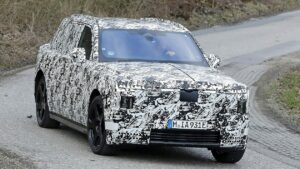
The next Le Mans rule set arrives around 2030, which lines up neatly with the struggling Peugeot 9X8 exiting the grid. Maserati could then replace its French relatives as the Stellantis representative alongside Ferrari. On paper, that is elegant. In reality, every part of this Maserati Racing Strategy depends on a successful E-segment sedan, possibly a Quattroporte return, reaching showrooms first.
Ultimately, the brand must prove its road car business before chasing prototype glory. Its last major Formula 1 success, with Juan Manuel Fangio’s titles in the 1950s, feels a lifetime ago. Even so, Maserati Racing Strategy is worth watching, and Auto News Magazine will track every official update as it emerges.

Liam Campbell
Industry Intelligence & News Editor at Auto News Magazine. Tracking prototype spy shots, Nürburgring development mules, automaker corporate moves, and breaking global automotive scoops.
View all articles by Liam Campbell →