Rolls-Royce Electric SUV: The Bonnet Trick Hints at a Practical Flagship
 Julian Hayes
2 minutes read
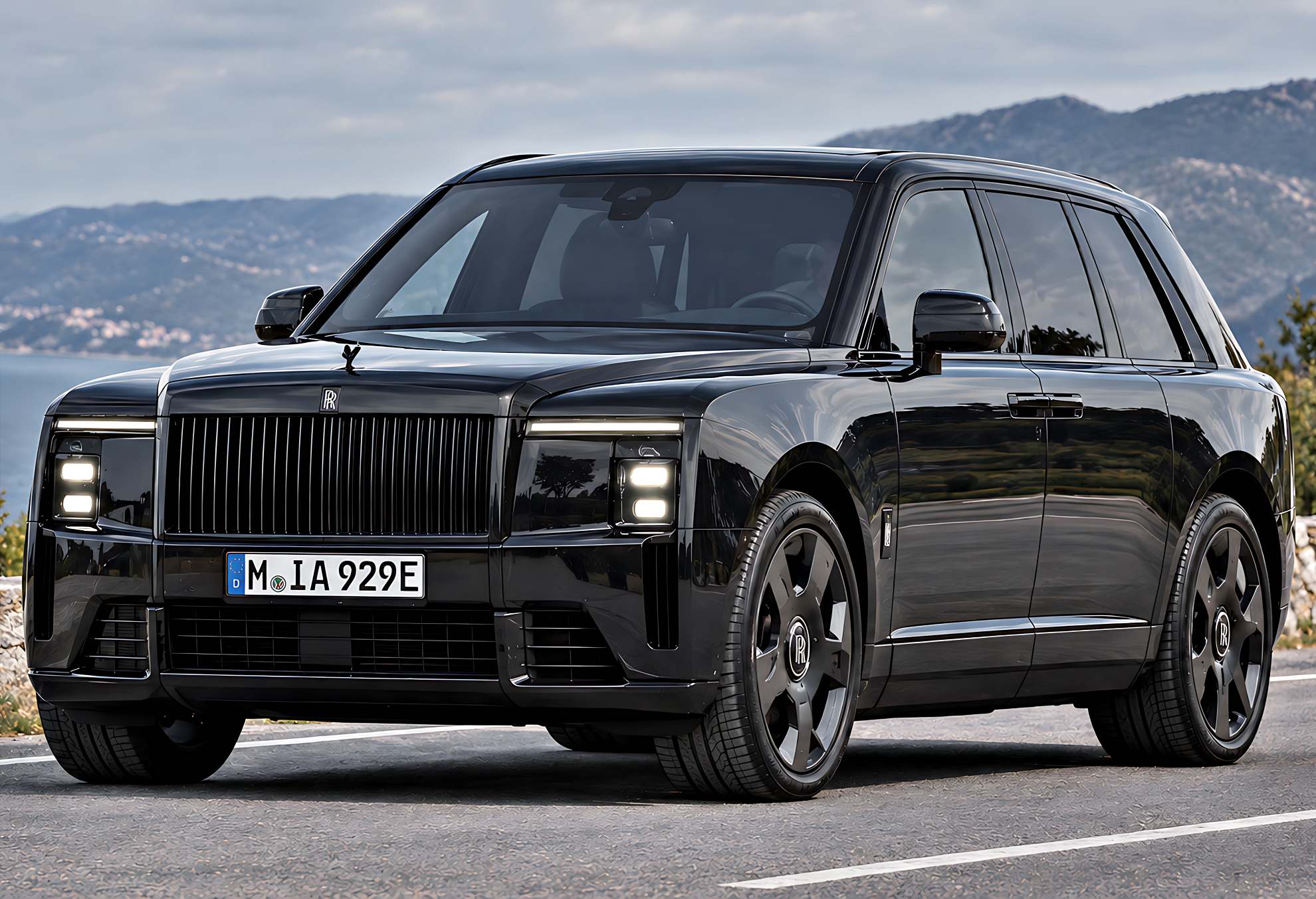
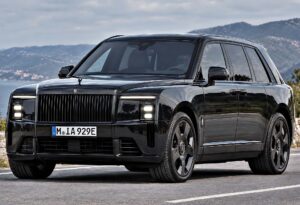
The Rolls-Royce Electric SUV has reached road testing, and the early pictures reveal a genuinely clever party trick. Most luxury flagships guard their front end like a sacred altar. This one seems ready to open up, quite literally.


Rolls-Royce Electric SUV Bonnet Trick
Lifting the centre-hinged bonnet exposes extra luggage space that traditional V12 flagships never offered so neatly. With no combustion engine filling the front bay, packaging engineers enjoy far more freedom. On paper, it is a practical win, and in reality it is a statement of intent.
Still, the timing raises eyebrows, since Rolls-Royce recently shelved its EV plans and kept V12 engines for now. Parent company BMW’s armored BMW 7 Series proves the shared platform can stretch in surprising directions. Official detail from Rolls-Royce remains scarce, so every test photo carries weight.
| ⚙️Engine / Powertrain | Dual-Motor Electric (est.) |
| 🐎Power Output | 550 HP (est.) |
| ⚡Peak Torque | 900 Nm (664 lb-ft) (est.) |
| ⏱️0-60 mph (0-100 km/h) | 0-60 mph in 4.5s (est.) |
| 🚀Top Speed | 155 mph (250 km/h) (est.) |
| 🔄Drivetrain / Gearbox | AWD Electric (est.) |
| 💰Starting Price / Est. | £450,000 (est.) |
Silent Luxury, Louder Questions
Few buyers will judge the Rolls-Royce Electric SUV by spec sheets alone. Expect roughly 550 hp (est.) and a 0-60 mph sprint near 4.5 seconds (est.), with pricing likely landing around £450,000 (est.). Silence, sumptuous ride quality, and effortless torque will matter far more than headline numbers.
Predicting a Future Collectible Flagship
Ultimately, this SUV could become the most sought-after electric Rolls of its generation. Early adopters will likely pay a premium for the bonnet trick alone. Silicon-carbide inverters and an over-the-air architecture should keep it future-proof, and strong residual values will follow.
Julian Hayes
Future Mobility & Technology Editor at Auto News Magazine. Covering the next frontier of electric powertrains, 800V architectures, solid-state battery chemistry, and autonomous vehicle platforms.
View all articles by Julian Hayes →