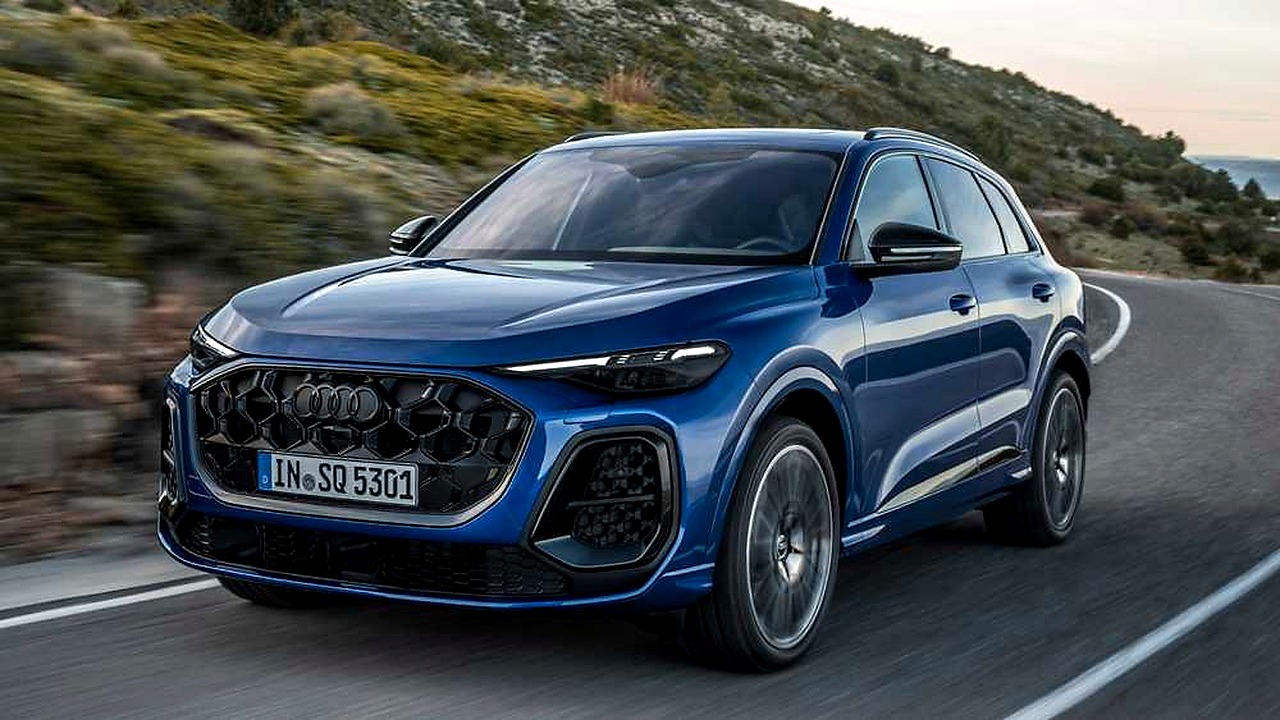
Audi EV strategy just took an unexpected turn, and it involves a gas engine. According to a recent report by CARBUZZ.COM, the German automaker has patented a way to fit a small combustion unit into a vehicle built purely for batteries.
Hanging an Engine in an EV
Instead of bolting the engine to a subframe and strut towers, Audi wants to suspend it from a strut brace. That lets engineers slot a one or two cylinder unit into an empty bay never meant to hold an engine. Laying the unit back lowers the center of gravity and saves precious packaging space.
The engine would connect to the electric motor rather than a transmission. The motor then works as a generator, topping up the battery whenever charge runs low. Mechanics already hang engines from bars across strut mounts during service, so the concept is less exotic than it sounds.
Why This Audi EV strategy Matters
Efficiency is where things get interesting. Audi admits that a range extender runs at only 25-40% fuel efficiency by design, so it should work only when necessary. Even so, the automaker plans to use that waste heat to warm the cabin or precondition the battery. On paper, a combustion engine still beats a heat pump at that job. The approach echoes the thinking behind the Audi RSQ5 hybrid, where electrification serves performance and practicality at once.
Navigation That Chooses Your Fuel
Audi also wants the navigation system to think like a fleet manager. Routes longer than one full charge would weigh fast charging costs against fuel prices. The system would then pick the cheaper propulsion for each leg of the journey. Weather, mountain grades, speed limits, and traffic could all feed into that calculation.
Meanwhile, the control logic could plan charge stops around cold fronts. Pre-conditioning the battery before a chilly mountain pass would protect range. In reality, few drivers manage their energy this precisely, so software that does the math for them could be the real selling point.
Patents Are Not Production Promises
Patent filings protect intellectual property and do not confirm production plans. Still, the concept reveals a pragmatic streak in Ingolstadt. A cheaper, more flexible EV could appeal to buyers in EV-hostile markets like the US, where charging infrastructure still lags.
Ultimately, this Audi EV strategy trades purity for practicality. If the control software is as elegant as the patent suggests, it could rescue expensive EV platforms and give range anxious drivers a quieter safety net. For more on Audi’s broader electrification push, visit the official Audi website. Stay tuned to Auto News Magazine for the latest developments.

Julian Hayes
Future Mobility & Technology Editor at Auto News Magazine. Covering the next frontier of electric powertrains, 800V architectures, solid-state battery chemistry, and autonomous vehicle platforms.
View all articles by Julian Hayes →