Genesis luxury strategy Leaves German Rivals Scrambling Through 2026 Slump
 Liam Campbell
2 minutes read
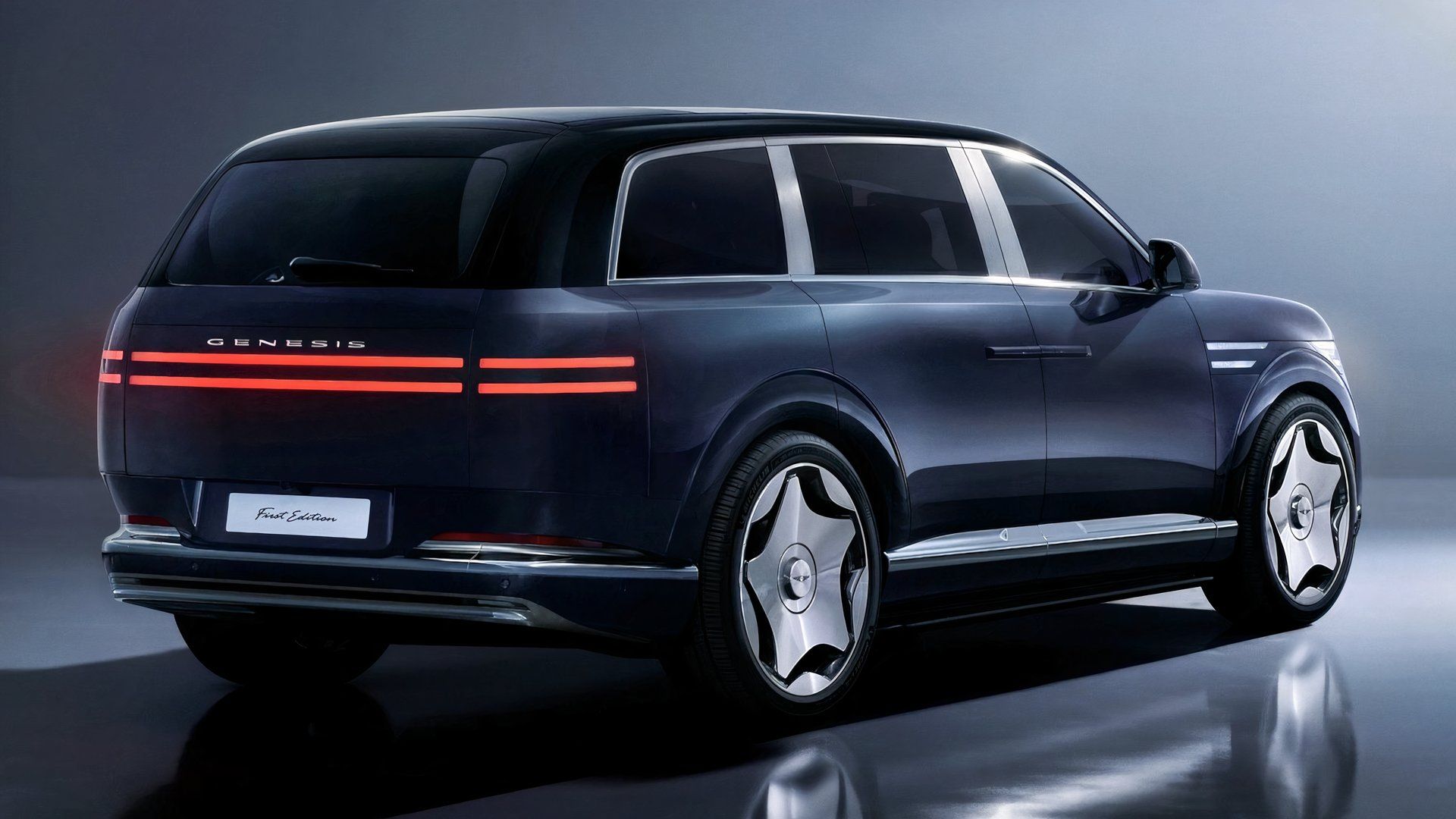
Genesis luxury strategy is starting to look like the smartest play in premium auto. While BMW, Mercedes-Benz, Audi and Porsche report shrinking global sales, the Korean marque keeps climbing. Its US sales reached 82,331 units last year, and the momentum has carried into 2026.
Genesis luxury strategy Outpaces German Rivals
Germany’s four largest luxury brands are bleeding sales. BMW fell 6.2% globally in H1 2026, Mercedes-Benz dropped 7%, Audi slipped 7.2%, and Porsche sank 16.5%. The damage is concentrated in China, where cheap domestic EVs and sharper software have pulled buyers away. Porsche shed roughly 32% of its Chinese business in six months.
Meanwhile, Genesis is building momentum on several fronts. US sales rose 5% in H1 2026 to 39,088 units, and the brand opened its first dedicated dealerships in the UK and the Netherlands. Its Son-nim hospitality concept, with warm, open-concept showrooms, feels deliberately un-German. Even BMW is automating its factories, as shown when BMW Moved 1 Million Cars Inside Plants Without Drivers, but automation alone does not sell cars.
Genesis is not immune to trouble. The GV60 lost about 54.1% of its sales between H2 2025 and H1 2026, and the electric GV70 followed closely behind. Some of that reflects a cooling US appetite for EVs. Still, the electrified lineup needs a sharper answer.
On paper, the formula looks right: hospitality, bold concepts, and a growing dealer footprint. Ultimately, the 350,000-unit target for 2030 will test whether the brand can sustain that pace. According to Genesis, its expansion continues across more than 40 markets. German giants still have the engineering depth, but they must win back their biggest growth market quickly.
Liam Campbell
Industry Intelligence & News Editor at Auto News Magazine. Tracking prototype spy shots, Nürburgring development mules, automaker corporate moves, and breaking global automotive scoops.
View all articles by Liam Campbell →