Electric Porsche Cayman and Boxster: A Radical Shift for Stuttgart’s Icons
 Julian Hayes
3 minutes read
Julian Hayes
3 minutes read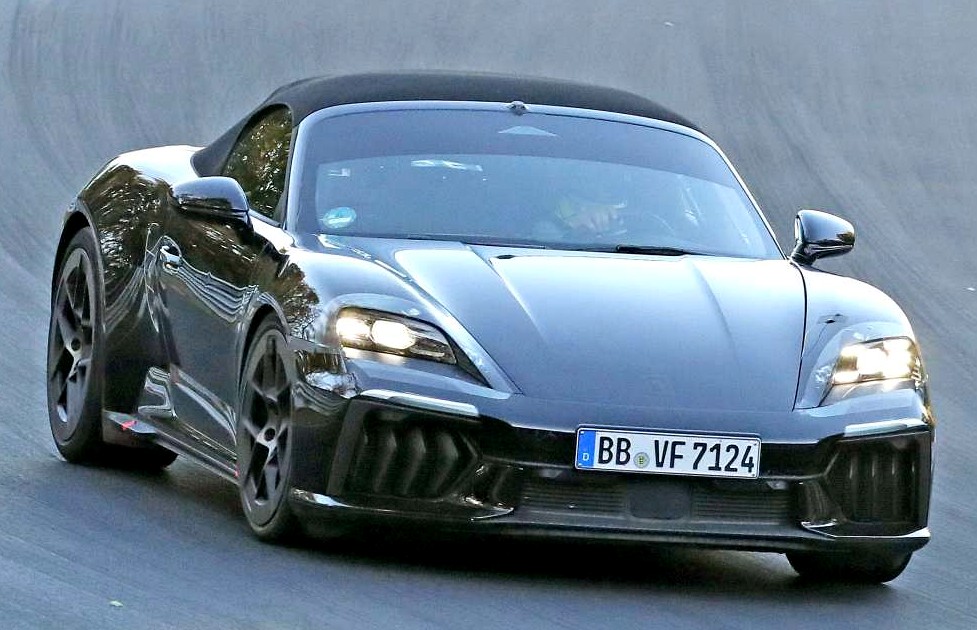
| 🚀 Key Takeaways: • Porsche is pivoting its legendary sports car duo to an all-electric architecture. • Performance is expected to shatter internal combustion benchmarks through advanced battery tech. • Official reveals are imminent, signaling a monumental shift in the Porsche brand identity. |
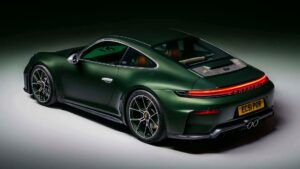
Stuttgart is finally pulling the cover off its boldest experiment yet. The Electric Porsche Cayman and Boxster are no longer mere whispers in the wind or grainy spy shots. Instead, they represent a complete reimagining of the mid-engine sports car formula that has defined the brand for decades.


Abandoning the flat-four and flat-six engines is a controversial move that will anger purists globally. However, Porsche claims this transition is essential to maintain the Electric Porsche Cayman and Boxster dominance in a rapidly electrifying segment. Whether this strategy succeeds remains the biggest question in the automotive world right now.
The Engineering Evolution of the Electric Porsche Cayman and Boxster
Under the skin, these machines will likely prioritize low-slung weight distribution to mimic the balance of the outgoing 718 series. Furthermore, the Electric Porsche Cayman and Boxster will utilize bespoke battery packaging to keep the center of gravity near the pavement. Expect Horsepower: 450 hp in base trims, with potential dual-motor setups hitting 0-60 mph: 3.0s.
Historical context matters here. Just as the 991 generation moved to turbocharging to satisfy efficiency demands, this platform embraces electrons to push performance envelopes. Furthermore, the torsional rigidity is expected to increase significantly due to the structural battery pack. Consequently, the chassis should be sharper than anything we have seen in this weight class before.
Competitive Analysis: Challenging the Segment Leaders
In the ring, these Porsches face stiff competition. Specifically, they must outperform the BMW M3, which remains the benchmark for daily-drivable performance. While the Bavarian rival relies on a twin-turbo straight-six, the Porsche opts for instant torque delivery. Conversely, the Audi RS5 offers a sophisticated AWD system that these electric models will likely mirror with vectoring precision.
Pricing, Available Trims, and Ownership Value
Pricing for the new fleet will certainly reflect the cutting-edge technology hidden inside the body panels. Currently, analysts suggest a Starting MSRP: $88,000 for the entry-level models. Furthermore, higher trim levels featuring larger battery arrays could exceed Price: $125,000 before options. Considering the brand’s track record, buyers should anticipate an Est. Monthly Lease: $1,100/mo depending on residual values.
Efficiency is another critical pillar for these vehicles. With an Estimated Range: 300 miles, they are finally viable for long-distance grand touring. Moreover, Porsche is expected to include a Warranty: 4-Year/50,000-Mile coverage plan to appease skeptics of the new drivetrain. Regarding maintenance, insurance costs will likely spike, as repair complexity increases with high-voltage systems. For more on how these shifts affect the market, check out this guide on automotive market trends.
Future Speculation and Conclusion
Predicting the future of these models is surprisingly easy. I believe they will become future collector classics precisely because they are the first of their kind. Unlike the BMW i8, which felt like an experimental bridge, these machines seem like the permanent destination for the brand. Ultimately, Porsche is banking on its reputation for chassis dynamics to win over the die-hard petrolheads. If anyone can make an EV exciting, it is certainly the engineers from Zuffenhausen.
Julian Hayes
Future Mobility & Technology Editor at Auto News Magazine. Covering the next frontier of electric powertrains, 800V architectures, solid-state battery chemistry, and autonomous vehicle platforms.
View all articles by Julian Hayes →