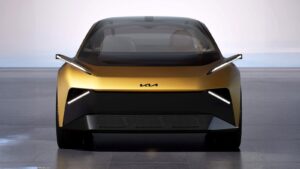
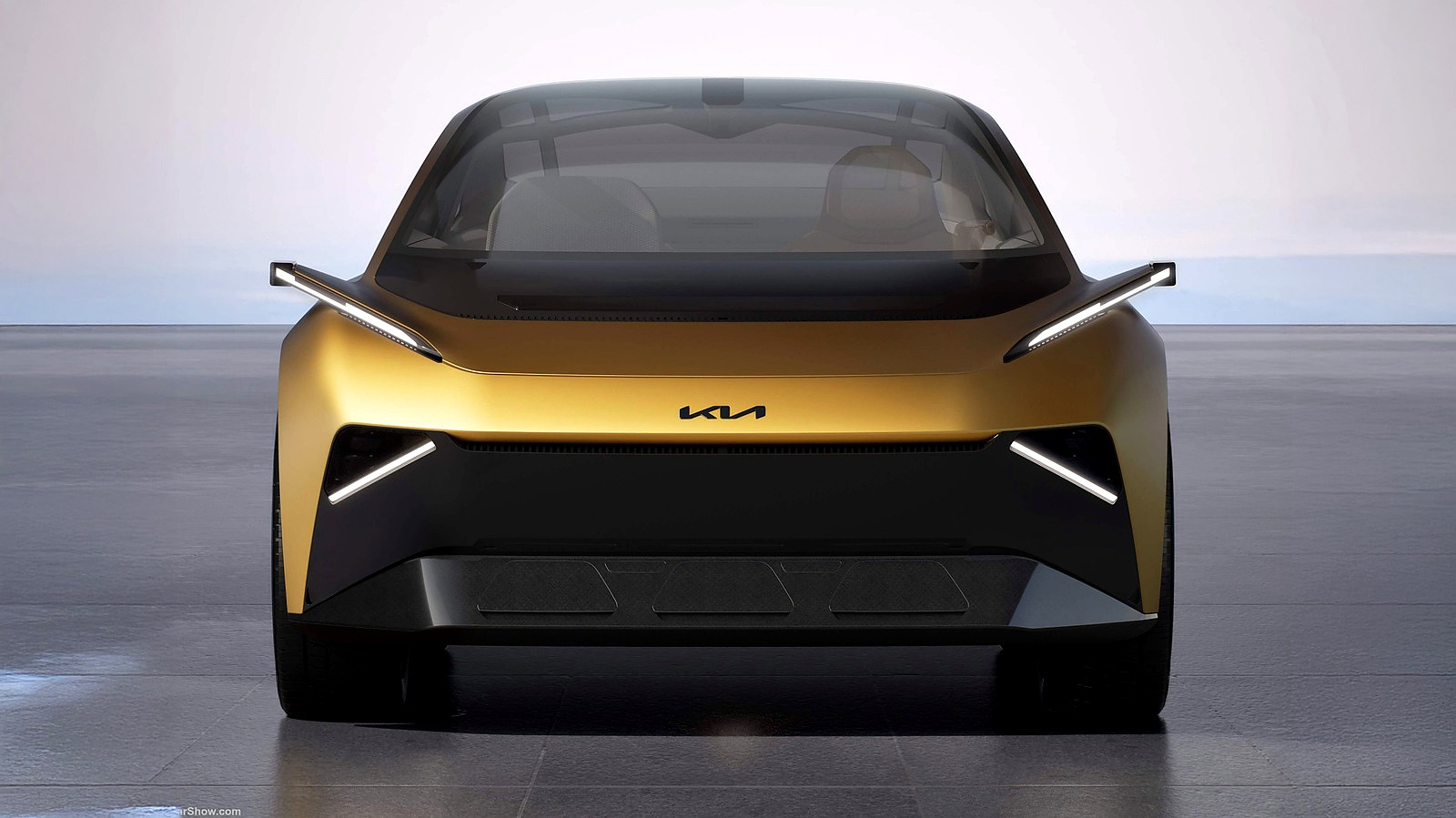
Kia performance strategy may be about to enter its most ambitious chapter yet. Nissan ended GT-R production last August without a direct successor, and few mainstream brands have dared to fill that space. Now Hyundai Motor Group R&D chief Manfred Harrer has told Autocar that Kia would love to step in.
Kia Performance Strategy Needs a Flagship
Harrer’s comments were measured, but they carry weight. He spent time at BMW and Porsche, so he knows exactly what the top end of the segment demands. His first priority is a dedicated model that defines what the GT badge means for Kia.
The Stinger was the brand’s original GT, a rear-drive sedan that punched well above its weight. Later, the EV6 GT carried the badge with 641 hp. Still, the GT-R comparison is hard to ignore. The R35 built its legend on twin-turbo V6 power, all-wheel drive, and relentless development. Enthusiasts still debate the Porsche’s Mid-Engine Supercar question, which proves that halo cars keep the conversation alive long after production ends.
On paper, Kia’s stair-step approach makes sense. This Kia performance strategy would give buyers a clear rung above fast family models. It could also serve as a platform for more power if demand responds. In reality, Kia must prove it can build a car that makes Porsche owners nervous, not just one that looks the part.
Pricing will decide everything. Nissan’s GT-R sold on the idea that it cost less than cars it outperformed. Kia would need to hold that same value line against established German and Japanese rivals. Meanwhile, a halo car only works if it lifts the credibility of the entire lineup.
My speculative bet is a limited-run GT with serious engineering behind it, one that becomes a collectible within a decade. Ultimately, Kia has the engineering depth and the sales momentum. What it lacks is a flagship that people argue about in bars. Details on the current range are available on Kia’s official website, and for more industry coverage, visit Auto News Magazine.

Liam Campbell
Industry Intelligence & News Editor at Auto News Magazine. Tracking prototype spy shots, Nürburgring development mules, automaker corporate moves, and breaking global automotive scoops.
View all articles by Liam Campbell →