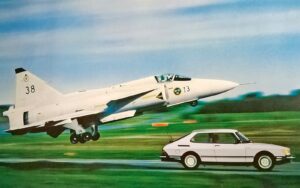
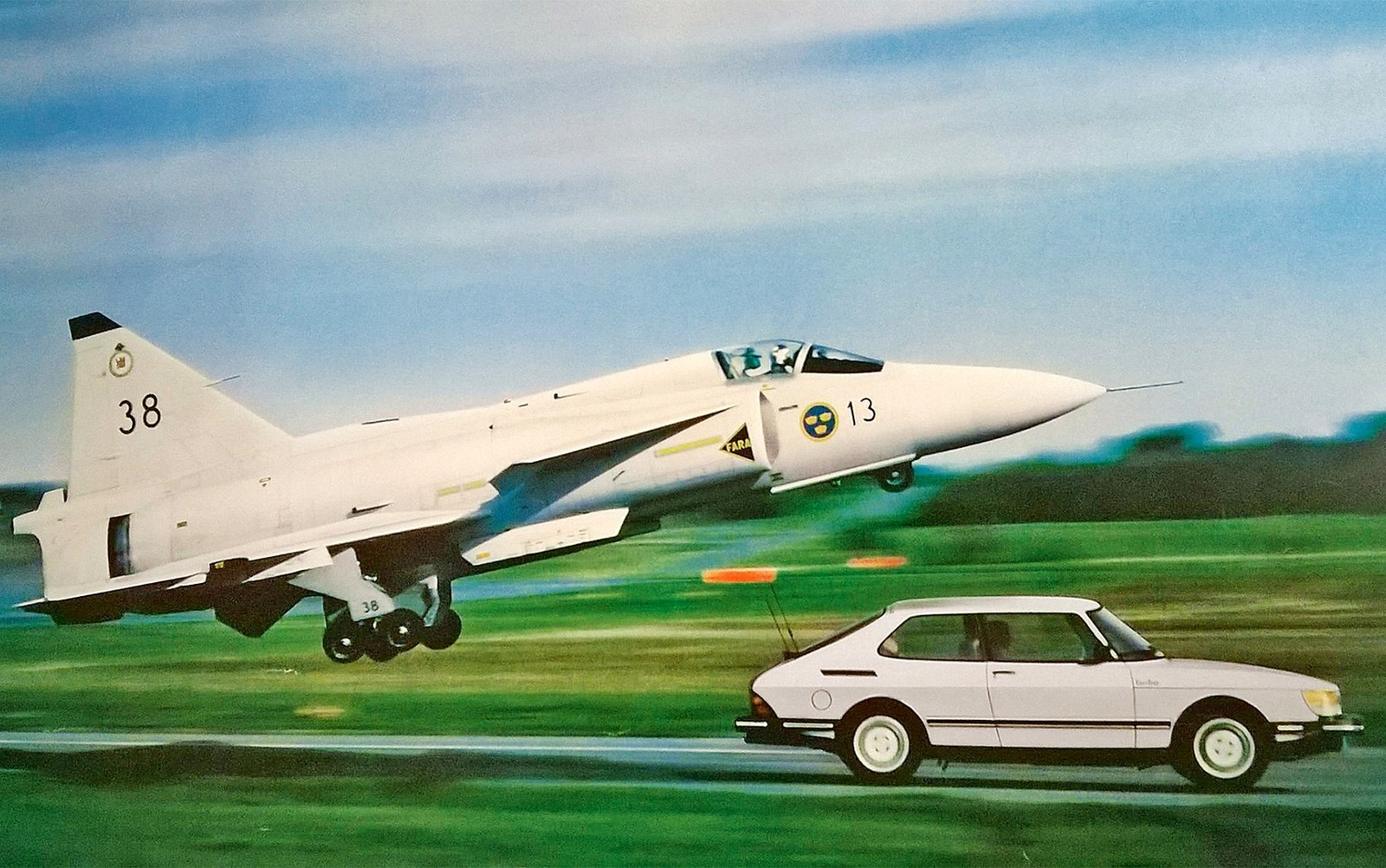
Saab automotive history begins in the sky, not the showroom. Before the first production car rolled out, the Swedish company was building fighter jets for its own air force. Hennessey’s Blackbird reveal revived an old question, though: did those jets truly shape the cars, or was it clever marketing? The answer is both.
Saab automotive history: Aero Engineering Roots
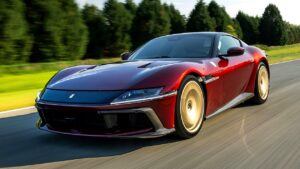
The Saab 92 wore a streamlined body refined through airflow testing, a discipline the company already mastered on airframes. Engineers tested shapes in a wind tunnel, chasing drag reductions that rival carmakers rarely pursued at the time. Even modern track programs such as the Ferrari 296 GT Modificata prove that aerodynamics still dictate silhouettes.
Turbocharging offers the clearest proof of this aviation mindset. The 1978 Saab 99 Turbo brought forced induction to mainstream buyers, while the 900 placed its ignition between the front seats like a cockpit control. Few brands have leaned on this heritage so openly, and Saab automotive history remains a masterclass in brand storytelling.
Marketing Wings, Engineering Substance
On paper, the aerospace pedigree looked unbeatable. In reality, Saab struggled with small volumes and a platform shared with General Motors, which held a major stake from 1989. Spyker bought the brand in 2010, and bankruptcy followed in 2011. Ultimately, cash flow, not the wind tunnel, decided the outcome.
Still, the jet-derived engineering left a lasting legacy. Expect enthusiasts to chase clean examples of the 900 Turbo as values climb, since few mainstream makers married flight and road cars so openly. For background, see Saab Automobile and our broader coverage at Auto News Magazine.

Liam Campbell
Industry Intelligence & News Editor at Auto News Magazine. Tracking prototype spy shots, Nürburgring development mules, automaker corporate moves, and breaking global automotive scoops.
View all articles by Liam Campbell →