| 🚀 Key Takeaways: • The Porsche 911 Carrera S now charges a massive premium for the manual option. • Featuring a 3.0-liter twin-turbocharged flat-six producing 473 horsepower. • Opting for the MT Package increases the price by up to $11,000 compared to base models. |
Manual transmissions are vanishing from the modern performance landscape, forcing enthusiasts into a corner. Porsche, however, has decided that the Porsche 911 Carrera S will retain its third pedal—but it comes at a steep, calculated cost.
The Business Case for the Porsche 911 Carrera S
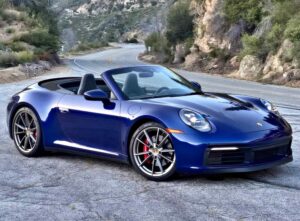
Strategically, the Porsche 911 Carrera S represents a shift in market positioning. Rather than offering the stick-shift as a budget-friendly base model, the manufacturer is treating it as a high-end, bespoke experience. Consequently, buyers are now forced into a financial commitment that mirrors the prestige of a GT-line vehicle. You can read more about recent industry shifts at Auto News Magazine.
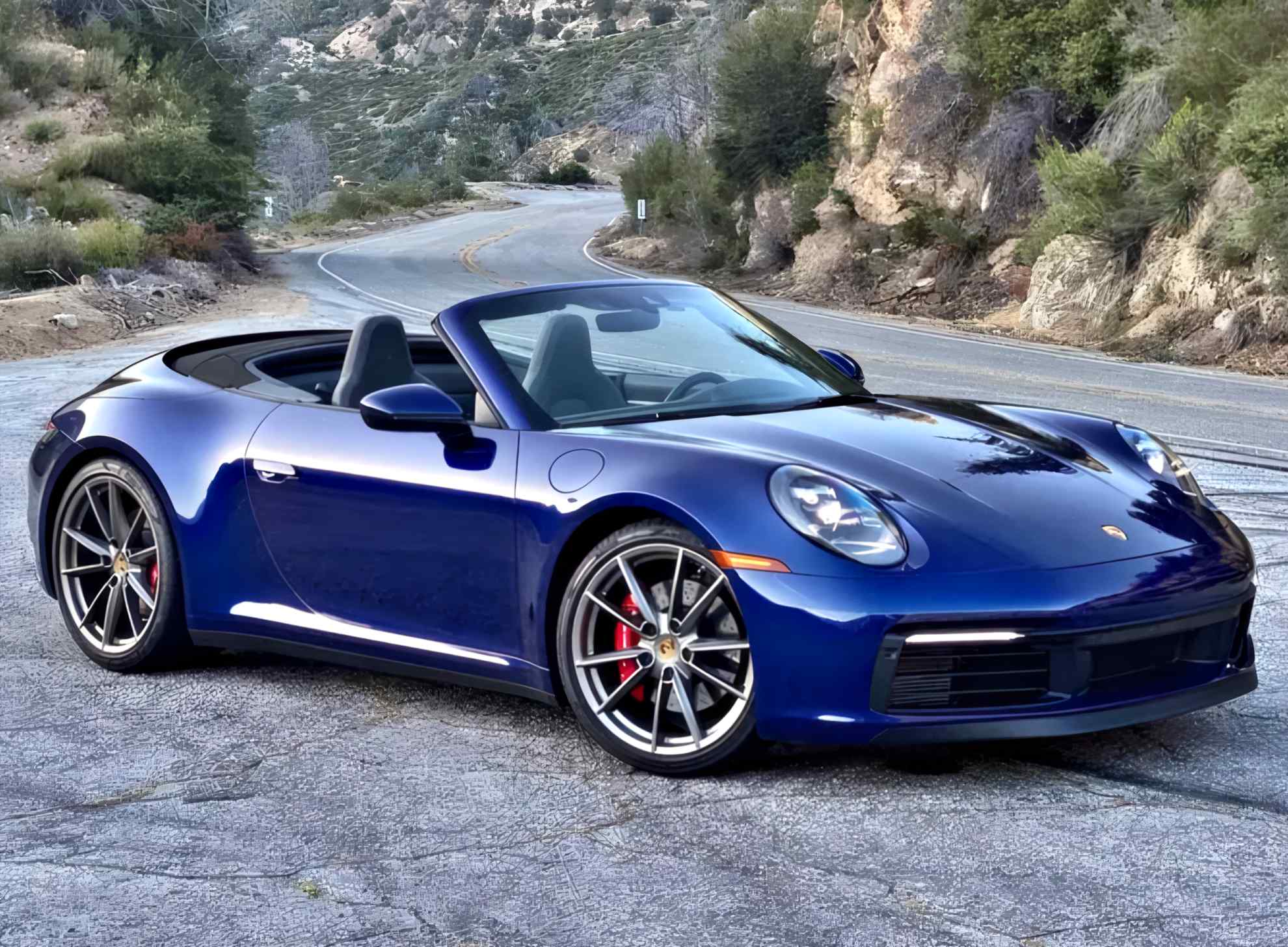
Entering the showroom, the Porsche 911 Carrera S manual starts at $167,100 for the Coupe. Furthermore, the Cabriolet commands a steeper $181,000 before adding any destination fees. In fact, this isn’t merely a transmission swap; it is a forced bundle of performance hardware that targets only the most dedicated drivers.
| ⚙️Engine / Powertrain | 3.0L Twin-Turbo Flat-Six |
| 🐎Power Output | 473 HP |
| ⚡Peak Torque | 420 lb-ft |
| ⏱️0-60 mph (0-100 km/h) | 0-60 mph in 3.5s |
| 🚀Top Speed | 190 mph |
| 🔄Drivetrain / Gearbox | Rear-Wheel Drive |
| 💰Starting Price / Est. | $167,100 (starting) |
Performance Dynamics and The MT Package
Underneath the rear deck, the 3.0-liter twin-turbocharged flat-six remains a masterclass in engineering. Delivering 473 horsepower, the engine provides ample thrust for any canyon carving session. Meanwhile, the mandatory MT Package includes rear-axle steering and PASM Sport suspension to sharpen the car’s turn-in.
Reducing unsprung mass remains a key goal for the engineering team. Specifically, the inclusion of center-lock wheels sheds 17 pounds from the chassis. As a result, the curb weight sits at an impressive 3,327 lbs, nearly matching the lightweight Carrera T.
Pricing, Available Trims, and Ownership Value
Navigating the options list requires a significant investment for the purist. With the MT Package adding $8,550 to the Coupe, the total MSRP quickly climbs into territory previously reserved for higher-spec models. Moreover, insurance premiums will likely reflect the higher replacement value of these specialized, center-lock-equipped units.
Looking at the ownership economics, fuel economy remains standard for this segment, though few buyers will prioritize consumption figures. Regarding warranty, the standard 4-Year/50,000-Mile coverage applies, providing peace of mind for daily driving. Ultimately, the Porsche 911 Carrera S with a manual is an asset that will likely hold its value better than any dual-clutch variant on the lot.
Strategic Future Speculation
Looking forward, I predict this specific configuration will become a future collector’s benchmark. Given that 80% of GT3 Touring buyers choose the manual, the demand for this mechanical engagement is clearly robust. Consequently, the high barrier to entry will only solidify the Porsche 911 Carrera S as a high-status, limited-interest vehicle. In short, Porsche has successfully turned a dying technology into a premium luxury commodity.

Liam Campbell
Industry Intelligence & News Editor at Auto News Magazine. Tracking prototype spy shots, Nürburgring development mules, automaker corporate moves, and breaking global automotive scoops.
View all articles by Liam Campbell →