Mercedes-Benz Eyes Tough Ownership Limit as Congress Tightens Chinese Car Ban
 Liam Campbell
2 minutes read
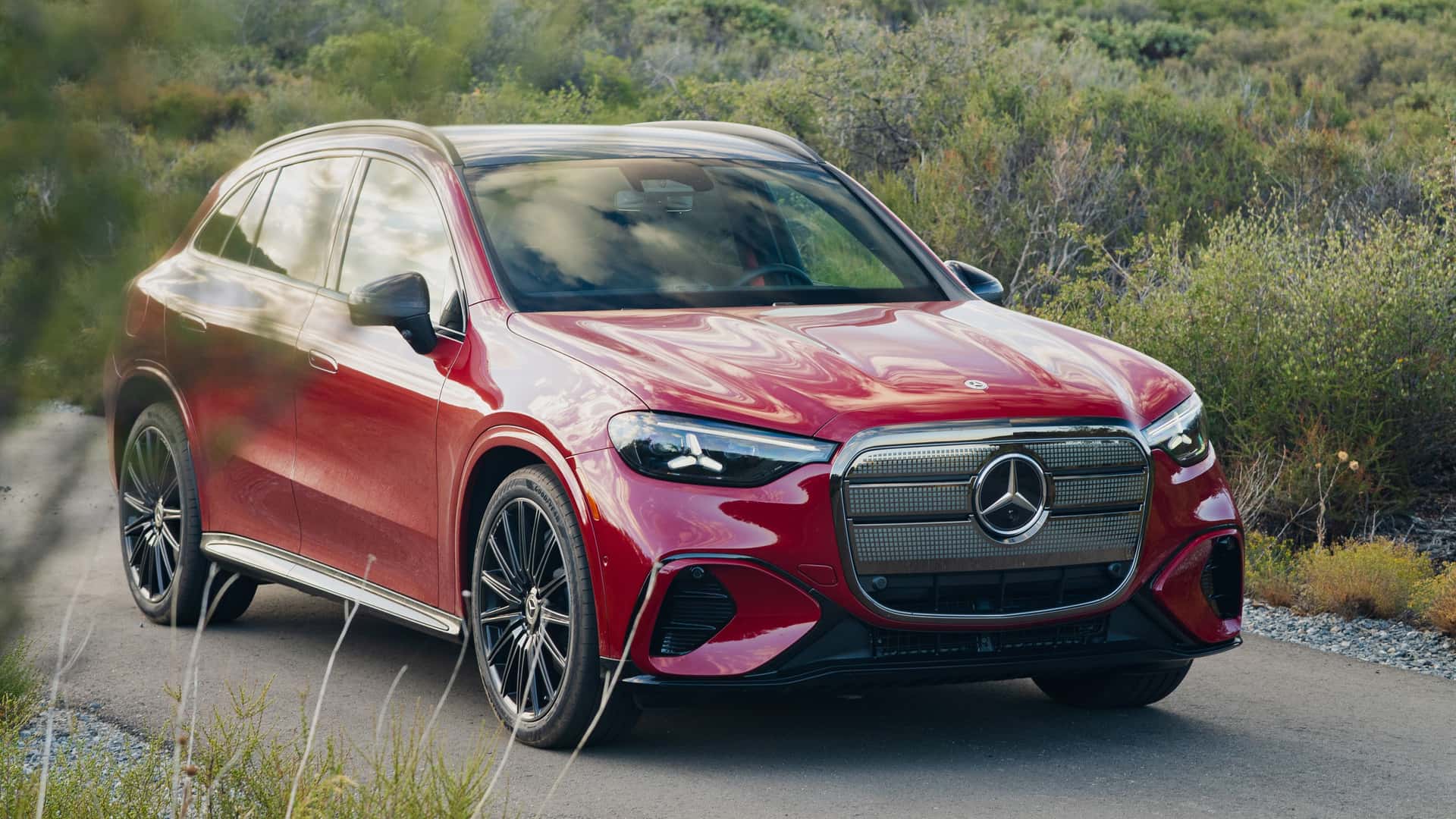
Mercedes-Benz could soon find itself on the wrong side of a new American law. Congress is nearing a deal that would block automakers with more than 15% Chinese ownership from selling cars in the U.S. The brand’s ownership structure makes it the most uncomfortable test case yet.


Mercedes-Benz Faces a Hard 15% Line
Washington’s concern centers on connected and self-driving systems that could collect American data or, in theory, control vehicles remotely. Those same software architectures power ambitious rollouts such as Tesla FSD V15, which is exactly why regulators are paying attention. New software restrictions take effect for the 2027 model year, with hardware rules following in 2030.
Volvo received specific authorization from the Commerce Department, even though Geely holds a majority stake in the brand. Polestar, also Geely-controlled, applied and was denied for model year 2027 onward. Polestar told dealers it still lacks an explanation, despite its shared software and the same South Carolina production line.
Why Volvo Survived, Polestar Did Not
On paper, the math is simple. BAIC Group, a Chinese state-owned company, holds 9.98% of Mercedes-Benz shares. Geely founder Li Shufu adds another 9.69% through an investment company, pushing the total to just shy of 20%.
Hoff Signals Mercedes Will Fight Back
Not every outcome ends in a lockout, though. Even if the bill passes as currently written, the carmaker is not going quietly. Jason Hoff, CEO of Mercedes-Benz North America, put it bluntly: “The U.S. is an extremely important market for us, and we’re not going to do anything to jeopardize our success in the past and our success in the future.” Readers can review the company’s footprint on its official corporate site.
Ultimately, the final wording will decide whether the Stuttgart brand faces a sales ban or a costly compliance headache. Still, my bet is that lawmakers write a grandfather clause, since shutting out a brand this large would ripple through dealers, suppliers, and Alabama jobs. Expect us to track every amendment at Auto News Magazine.
Liam Campbell
Industry Intelligence & News Editor at Auto News Magazine. Tracking prototype spy shots, Nürburgring development mules, automaker corporate moves, and breaking global automotive scoops.
View all articles by Liam Campbell →