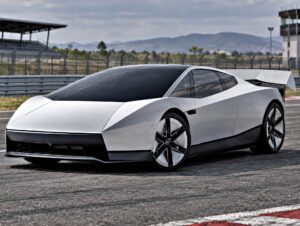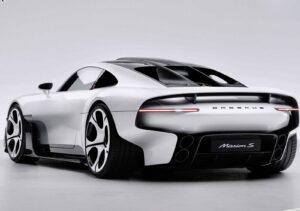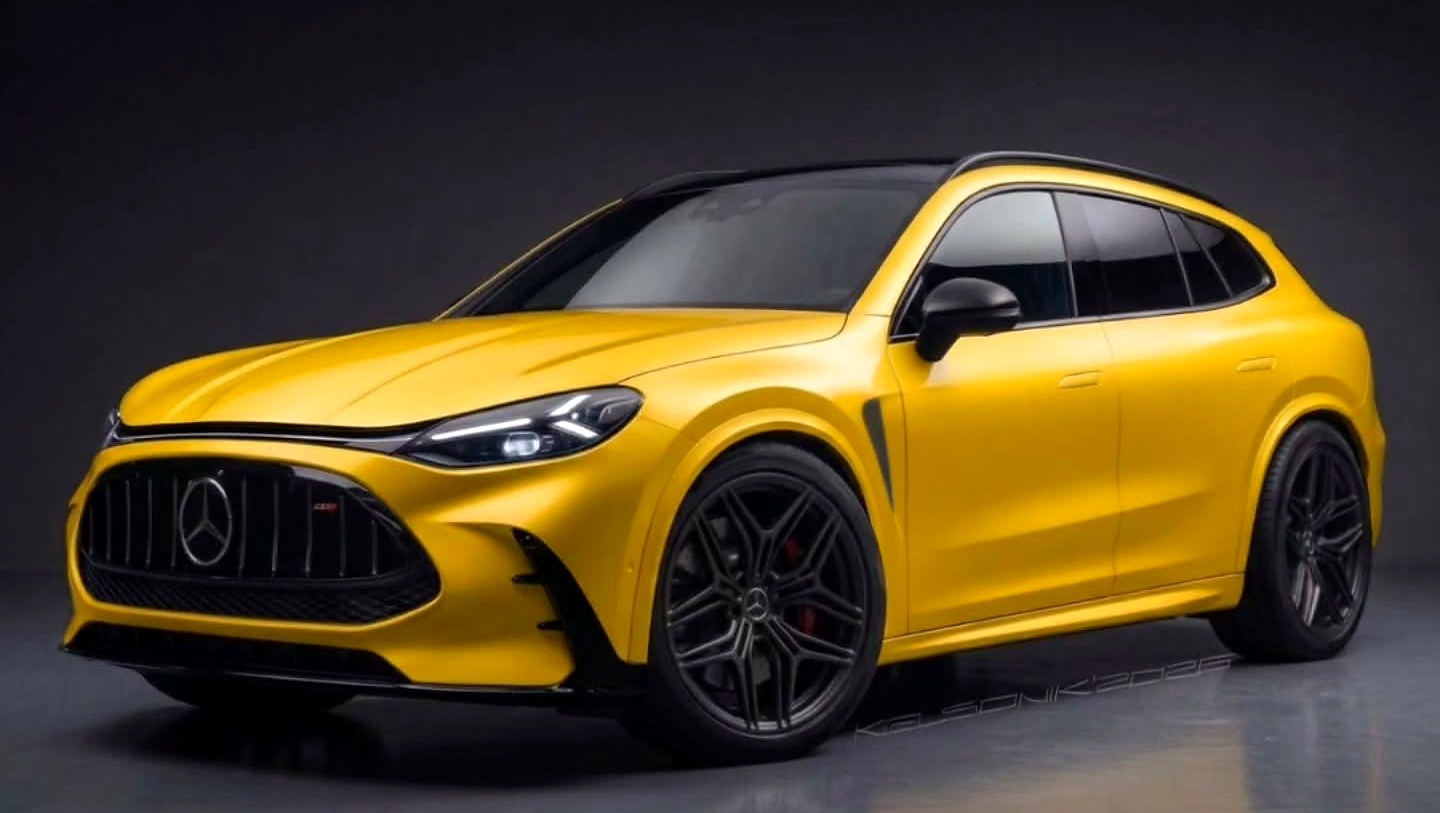
Digital artist Kelsonik has ignited a fascinating design dialogue with a striking Mercedes-AMG SUV concept that challenges everything we thought we knew about performance luxury aesthetics. Rendered in an audacious yellow finish, this design study explores a significant departure from Mercedes’ established visual language, specifically targeting the rear lighting signature as the focal point of reinvention.


📸 Photo Credit: @kelsonik on Instagram
Four Lights vs. Six: The Aesthetic Inflection Point
The core debate centers on a deceptively simple question: does a four-light taillight layout deliver a cleaner, more contemporary visual identity than the traditional six-element design? On paper, the four-light configuration appears more minimalist and digitally native, aligning with the computational design language emerging across the luxury segment. In reality, this shift represents a fundamental repositioning of Mercedes-AMG’s visual DNA.
Kelsonik’s rendering demonstrates how reducing the taillight cluster from six to four elements creates a more streamlined rear fascia. The simplified geometry suggests a forward-thinking approach to aerodynamic efficiency and manufacturing simplification. Still, purists argue that Mercedes’ six-light signature carries decades of brand equity and emotional recognition that shouldn’t be discarded lightly.
Combustion Legacy Meets Electric Disruption
Beyond the styling exercise, this concept serves as a catalyst for a broader industry conversation. By positioning this AMG rendering against the Porsche 718 Electric, Kelsonik highlights the existential tension facing traditional performance brands. How should iconic marques transition their design identities when the powertrain itself is undergoing seismic transformation?
The Mercedes-AMG SUV concept, rendered with combustion-era proportions and aggressive stance, embodies the final chapter of internal combustion performance luxury. Meanwhile, the Cayenne Electric represents Porsche’s full-throttle pivot toward battery-electric architecture. Both vehicles occupy the same market segment yet speak entirely different design languages about the future.
The Silicon-Carbide Question
From a technical standpoint, if this concept were to reach production, the engineering implications would be substantial. A next-generation AMG SUV would likely leverage 800V charging architecture and silicon-carbide inverters to remain competitive with electric rivals. The four-taillight design could accommodate integrated LED matrix technology with over-the-air software updates, enabling dynamic lighting signatures that adapt to driving modes and ambient conditions.
Ultimately, Kelsonik’s rendering poses an uncomfortable question for Mercedes: can traditional performance brands maintain their combustion heritage while simultaneously embracing the visual language of the electric future? The answer likely determines whether this yellow concept remains a digital fantasy or evolves into a production reality that reshapes the luxury SUV landscape.
The Mercedes-AMG SUV concept invites us to reconsider what performance luxury should look like in an era of rapid technological transition. Whether four taillights or six, the real challenge lies in preserving brand identity while accelerating toward an electrified tomorrow. For enthusiasts and design aficionados alike, this rendering serves as a compelling preview of the aesthetic battles yet to come.

Julian Hayes
Future Mobility & Technology Editor at Auto News Magazine. Covering the next frontier of electric powertrains, 800V architectures, solid-state battery chemistry, and autonomous vehicle platforms.
View all articles by Julian Hayes →