Mercedes AI development could slash vehicle timelines by 30 percent as rivals accelerate
 Liam Campbell
2 minutes read
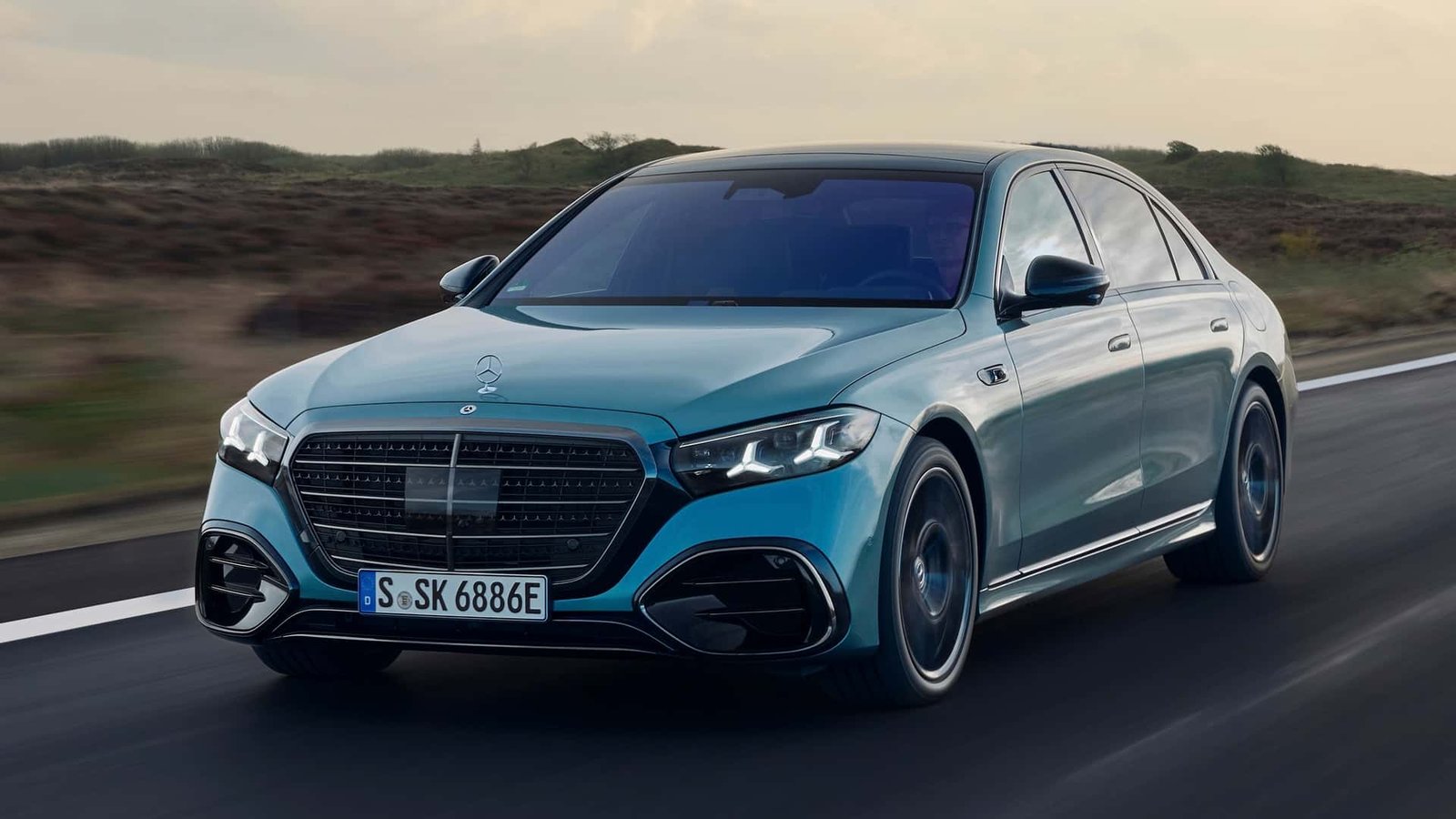
Mercedes AI development is becoming the core of the Stuttgart giant’s response to China. The Mercedes-Benz brand has openly praised the pace and technology of Chinese carmakers, and it wants that speed for itself. Chief technology officer Jörg Burzer made the case to Australian media in a recent interview. His message to rivals was blunt: competition is good for customers, and Mercedes feels ready to fight.
Mercedes AI development Targets the Lifecycle
Meanwhile, the tool at the center of the plan is PLM.AI. It links every stage of a vehicle’s life, from engineering and production to sales and after-sales service. Mercedes claims it could cut development time by up to 30 percent, with efficiency gains reaching 50 percent. On paper, that is a serious productivity claim for any automaker under margin pressure.
Burzer was equally frank about the benchmark. Engineers regularly study models from Zeekr and Denza, and they admire the quick development cycles and close attention to customer needs. Advanced driver assistance is where the gap feels most urgent. Even so, the company is pushing hard, as its Mercedes Level 4 autonomy plans with Nvidia show.
Crash Simulations Drop to Hours
Crash-test simulation offers the clearest proof of concept. Engineers have previously needed two to four weeks to complete the required data connections. With AI, that work can finish in hours. Such compression matters, because every week saved shifts launch windows and engineering budgets.
Pricing Wars Will Test the Model
Competition in China is brutal, and pricing has become the weapon of choice. Rivals ship faster and sharper, leaving legacy European brands little room for error. Mercedes AI development must now prove it can match that cadence without eroding margins. Still, Mercedes-Benz has yet to publish independent verification of these efficiency figures.
Ultimately, Mercedes AI development is a bet on speed as much as software. If PLM.AI delivers, the Stuttgart brand could ship its next wave of products quicker and cheaper. Expect the gap with Chinese rivals to be measured in weeks, not years, within the next product cycle.
Liam Campbell
Industry Intelligence & News Editor at Auto News Magazine. Tracking prototype spy shots, Nürburgring development mules, automaker corporate moves, and breaking global automotive scoops.
View all articles by Liam Campbell →