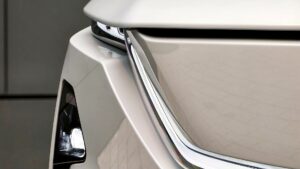
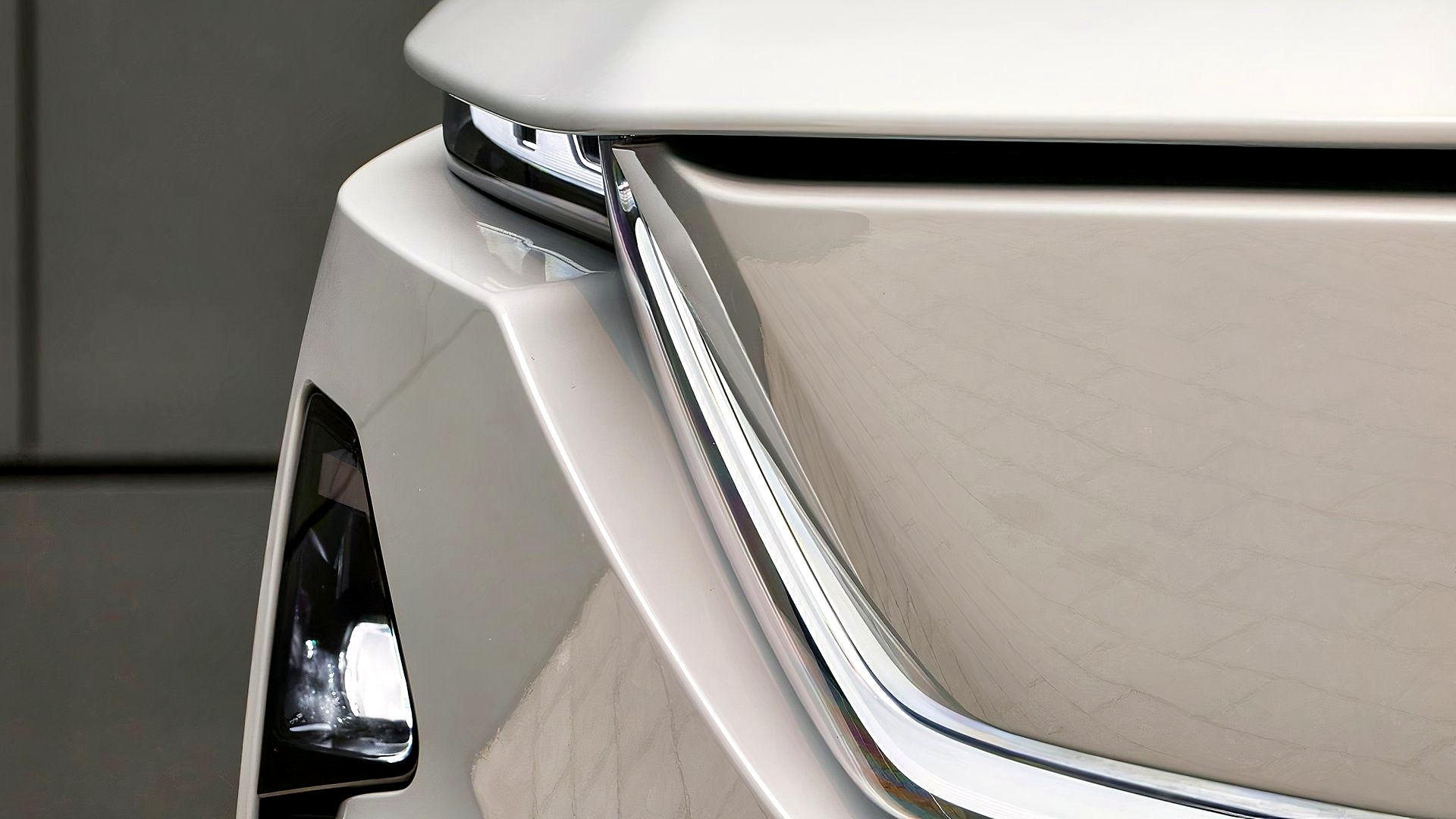
The Mazda CX-60 Aero looks like every other electric crossover on the road. Clean lines, sensible proportions, and a familiar footprint. Step closer to the nose, though, and a thin slit in the leading edge reveals a different mindset. It is an S-duct, a trick more commonly seen on six-figure supercars than family haulers.


Mazda CX-60 Aero Borrows Supercar Thinking
Drag force scales with velocity squared, while aerodynamic power demand climbs with velocity cubed. That math punishes EVs on the highway. Every extra kilowatt-hour of battery adds mass, which demands even more energy to move. Clever airflow becomes the cheapest range an engineer can buy.
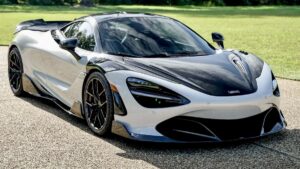
The S-duct channels high-pressure air over and around the bodywork, reducing turbulence at the front end. Rear-pillar air guides and retractable door handles keep the flow attached as it slides rearward. Track-focused machines like the Gunther Werks 911 chase downforce at any cost. This crossover only needs efficiency, so its aero stays modest.
| ⚙️Engine / Powertrain | Single electric motor (est.) |
| 🐎Power Output | 255 HP |
| ⚡Peak Torque | 290 Nm (214 lb-ft) |
| ⏱️0-60 mph (0-100 km/h) | 0-60 mph in 6.8s (est.) |
| 🚀Top Speed | 120 mph (193 km/h) (est.) |
| 🔄Drivetrain / Gearbox | Rear-wheel drive / AWD (est.) |
| 💰Starting Price / Est. | $45,000 – $55,000 (est.) |
Driving Feel Still Matters Here
Mazda’s Jinba Ittai philosophy, the connection between horse and rider, guides the whole program. A near-50/50 weight distribution helps the front end feel alive. A multi-link rear and specially calibrated steering add feedback that most EVs lack. According to Mazda, the platform borrows Changan’s EPA1 architecture, but the tuning is distinctly Hiroshima.
Power is modest at up to 255 horsepower and 214 lb-ft of torque. Nobody should expect supercar acceleration here. On paper, the car trades thrills for efficiency. In reality, the balance and steering could make a Tuesday commute far more engaging.
Efficiency Meets Engagement on Real Roads
Ultimately, the S-duct is a smart, modest piece of engineering rather than a copy. Mazda took supercar aero ideas and applied them to a crossover that will never need Ford GT levels of downforce. My prediction: enthusiasts will value this analog-minded EV more as time passes. Find more of our coverage at Auto News Magazine.

Marcus Vance
Senior Track & Performance Editor at Auto News Magazine. Veteran automotive journalist specializing in chassis dynamics, apex telemetry, track-day specials, and high-revving mechanical purity.
View all articles by Marcus Vance →