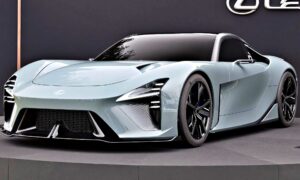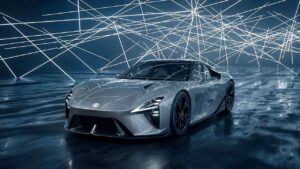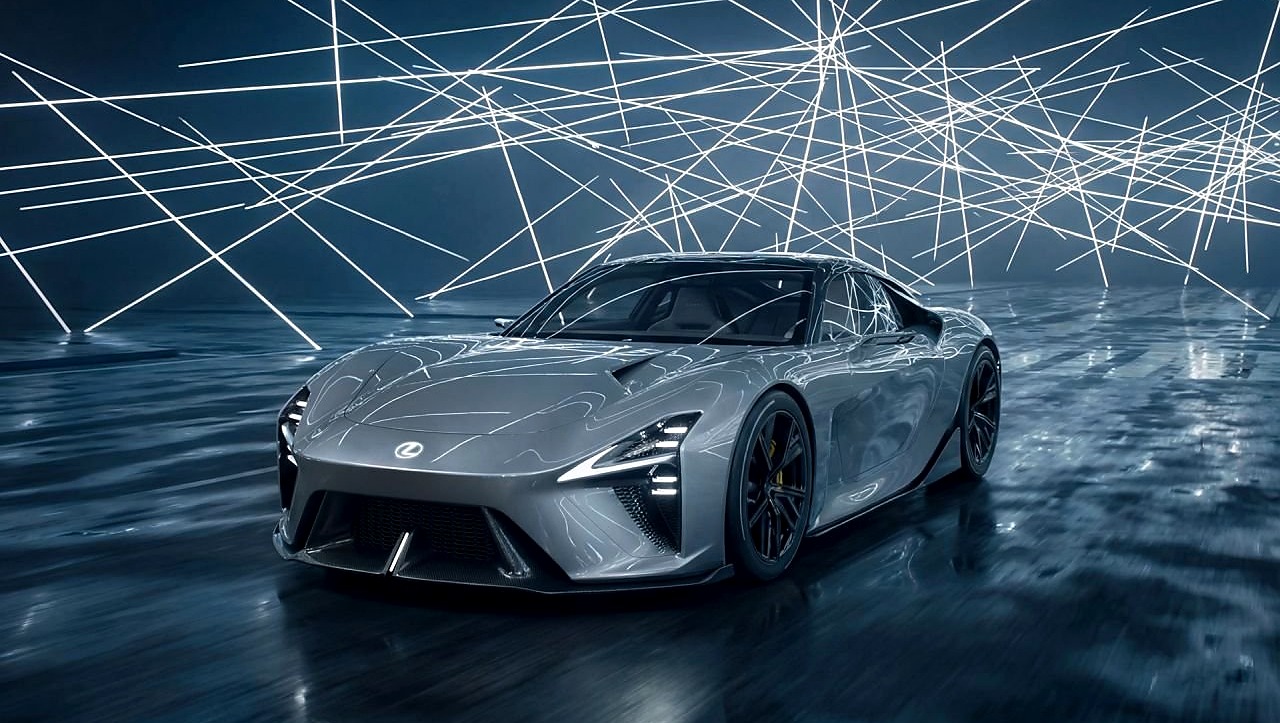
The Lexus LFA EV is coming in 2027, and it’s abandoning the naturally aspirated V10 that defined the original. But Toyota just revealed something fascinating: a patent for virtual gearshifts that could make the electric successor feel genuinely mechanical. This isn’t marketing fluff. It’s computational horsepower applied to the oldest problem in EV performance: the lack of gear engagement drama.
Torque Blending Meets Clutch Simulation
Here’s where it gets technical. Toyota’s patent describes a system that doesn’t simply modulate motor output like every other EV on the planet. Instead, it orchestrates a precise torque-management sequence during each simulated shift. The motor briefly drops torque to zero, creating a power interruption that mimics a disengaged clutch. Then it surges back with a controlled surge, replicating the sensation of the clutch biting and the next gear engaging.
On paper, it sounds artificial. In practice, if executed with precision, it could deliver the visceral feedback that separates a supercar from a golf cart. The system works bidirectionally too, both upshifts and downshifts get the treatment, with regenerative braking transitions blended seamlessly into downshift events.
| ⚙️Engine / Powertrain | All-Electric Powertrain (Motor Configuration TBD) |
| 🐎Power Output | 800+ HP (est.) |
| ⚡Peak Torque | 1,000+ Nm (est.) |
| ⏱️0-60 mph (0-100 km/h) | 0-60 mph in ~2.5s (est.) |
| 🚀Top Speed | 200+ mph (est.) |
| 🔄Drivetrain / Gearbox | Single or Dual Motor EV / RWD or AWD (est.) |
| 💰Starting Price / Est. | $400,000 – $500,000 (est.) |
Meanwhile, different drive modes alter the aggression profile. A comfort setting might deliver smooth, barely perceptible torque dips. Sport mode sharpens the transitions. Track mode? That’s where things get theatrical, with pronounced power cuts and aggressive surge characteristics that mimic a high-strung sequential gearbox.
The V10 Problem That Never Goes Away
The original LFA was legendary precisely because of its 4.8-liter naturally aspirated V10, which screamed to 9,000 rpm with the ferocity of a Formula 1 engine. Replacing that with a silent electric motor is a hard sell to purists. Even so, Toyota understands the psychology of performance: engagement matters more than raw numbers.
This patent suggests Lexus is taking the emotional architecture of driving seriously. It’s not just about 800+ horsepower (est.) or sub-2.5-second acceleration. It’s about making the driver feel connected to the powertrain, even when that powertrain is a silicon-carbide inverter managing battery discharge rates.
According to Toyota’s official innovation pipeline, the next LFA will push the boundaries of electric supercar design. Still, the real test will be whether this torque-blending architecture delivers authenticity or just clever theater. Early indications suggest Toyota has invested serious engineering resources into making it feel genuine, not gimmicky.
When Simulation Becomes Strategy
This approach mirrors what premium EV makers are exploring with digital sound synthesis and haptic feedback, the idea that modern performance is as much about software architecture as it is about mechanical components. Porsche’s Taycan uses a single-speed transmission. Rimac’s Nevera relies on pure motor control. Toyota’s taking a middle path: simulating the ritual of gear changes without the mechanical baggage.
Ultimately, the 2027 Lexus LFA EV will either validate this approach or expose it as unnecessary complexity. If the torque-blending feels natural and responsive, it could redefine how enthusiasts perceive electric supercars. If it feels artificial, it’ll be a cautionary tale about over-engineering the intangible. Either way, Toyota’s willingness to patent this technology signals serious commitment to preserving the soul of the LFA nameplate in the EV era.
The V10 is dead. Long live the algorithm.

Julian Hayes
Future Mobility & Technology Editor at Auto News Magazine. Covering the next frontier of electric powertrains, 800V architectures, solid-state battery chemistry, and autonomous vehicle platforms.
View all articles by Julian Hayes →