| 🚀 Key Takeaways: • The Ferrari 250 GT California Spider remains the zenith of vintage open-top motoring. • Powering this icon is the legendary 3.0-liter Colombo V12 engine producing 280 horsepower. • With strictly limited production, these chassis frequently trade for over $18 million at auction. |
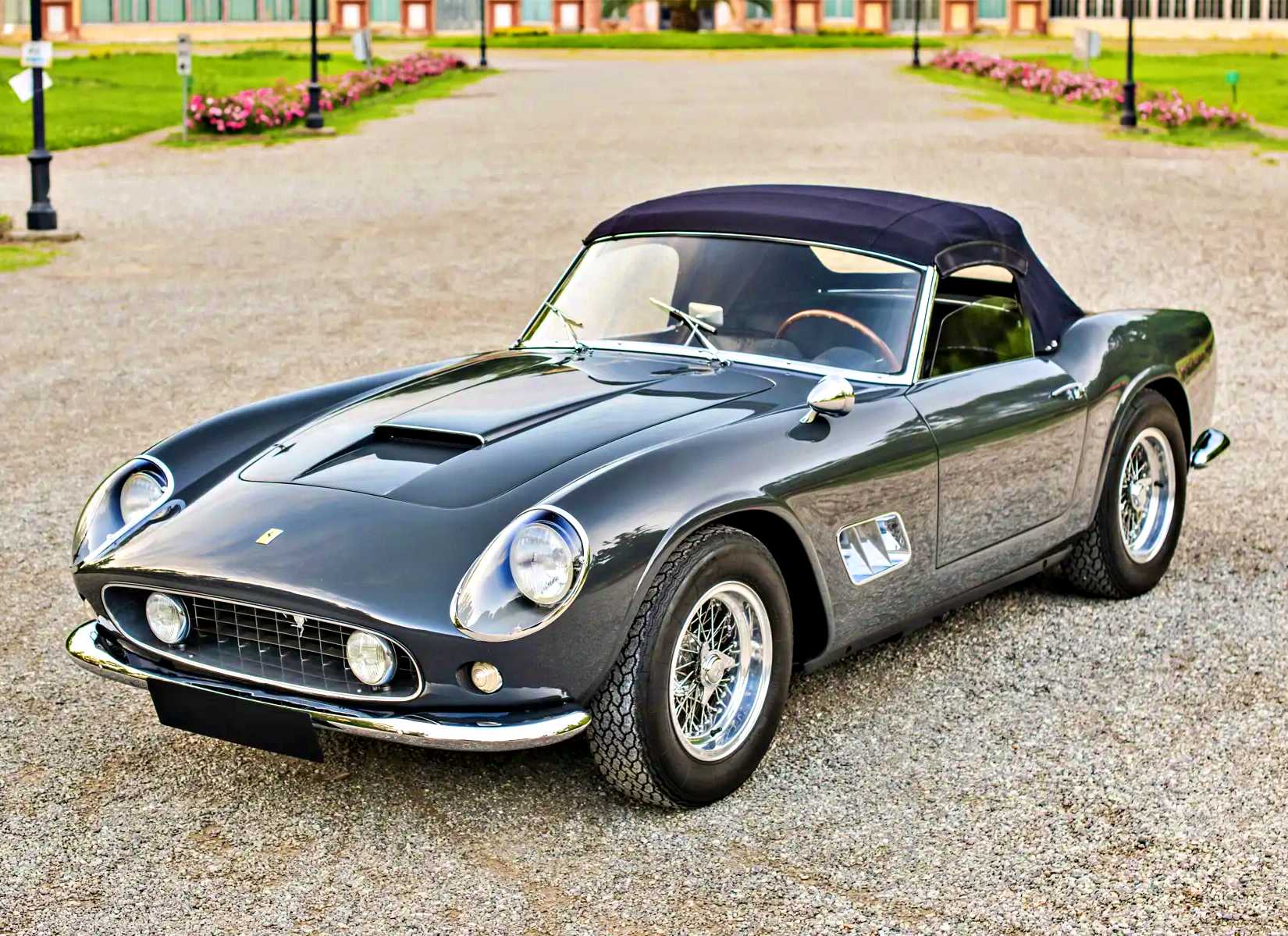
Driving a Ferrari 250 GT California Spider is not merely an act of transportation; it is a communion with history. Stripping away the digital safety nets of modern cars, this machine offers an unfiltered, visceral connection to the road that few contemporary vehicles can replicate. As a result, it remains the gold standard for collectors who value mechanical soul over electronic intervention.


The Timeless Ferrari 250 GT California Spider
Entering the cabin, one is greeted by the intoxicating scent of Connolly leather and the mechanical click of the gated shifter. Unlike modern supercars, this Ferrari 250 GT California Spider forces you to be an active participant in every gear change. Consequently, the driver feels the precise engagement of the synchros and the raw, rhythmic pulse of the 3.0-liter Colombo V12 engine.
Furthermore, the chassis balance is a masterclass in mid-century engineering. Navigating a tight corner, the steering provides feedback that is telepathic, allowing the driver to place the nose with surgical precision. Because it lacks power steering and modern aids, the connection to the front tires is utterly transparent. In fact, you can feel the exact moment the rubber begins to hunt for grip on an apex.
| ⚙️Engine / Powertrain | 3.0L Colombo V12 |
| 🐎Power Output | 280 HP |
| ⚡Peak Torque | 195 lb-ft |
| ⏱️0-60 mph (0-100 km/h) | 0-60 mph in 7.0s |
| 🚀Top Speed | 145 mph |
| 🔄Drivetrain / Gearbox | 4-speed Manual / RWD |
| 💰Starting Price / Est. | $18,000,000 (est. market) |
Chassis Dynamics vs. Modern Rivals
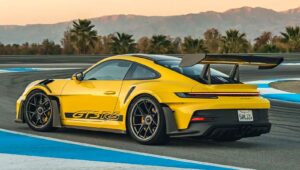
Comparatively, pitting a vintage masterpiece against a modern Porsche 911 GT3 reveals a widening gap in philosophy. While the Porsche relies on advanced damping and downforce to generate lateral Gs, the Ferrari 250 GT California Spider demands physical labor. Specifically, you must modulate the throttle with extreme finesse to prevent the rear end from stepping out during mid-corner transitions.
Alternatively, looking at the Mercedes-Benz 300 SL Roadster, we see a different approach to grand touring performance. Although the Mercedes offers a more refined suspension setup, it lacks the operatic exhaust note of the Italian V12. Ultimately, the Ferrari wins on raw, unadulterated character, making it the preferred weapon for those who treat driving as an art form rather than a commute.
Pricing, Available Trims, and Ownership Value
Investing in a Ferrari 250 GT California Spider is rarely about traditional value, as market fluctuations are dictated by provenance and historical significance. Starting MSRP for a high-quality example now frequently exceeds $18,000,000. Additionally, prospective owners must budget heavily for specialist maintenance to keep the V12 firing on all cylinders.
Regarding fuel economy, it is irrelevant; you will likely spend more on high-octane race fuel than you would on a modern daily driver. Insurance premiums are equally astronomical, often requiring a collector-specific policy that reflects the vehicle’s status as a rolling sculpture. Moreover, reliable parts procurement is managed via Ferrari Classiche, ensuring that the car remains roadworthy for decades to come.
Future Collector Status
Predicting the future of such a pedigree machine is straightforward. Because they are no longer being manufactured, these vehicles occupy an appreciating asset class immune to market trends. Furthermore, as the world pivots toward silent electrification, the Ferrari 250 GT California Spider will only become more desirable for its mechanical purity. It will forever be the benchmark for the ultimate analog driving experience.
Conclusion
Ultimately, the Ferrari 250 GT California Spider is not a car you own; it is a legacy you curate. If you crave the sensation of a true driver’s machine, it represents the absolute pinnacle of automotive history. In addition to our review, check out our latest piece at Auto News Magazine for more on classic performance icons.

Marcus Vance
Senior Track & Performance Editor at Auto News Magazine. Veteran automotive journalist specializing in chassis dynamics, apex telemetry, track-day specials, and high-revving mechanical purity.
View all articles by Marcus Vance →