Porsche EV Battery Innovation: The 100% Recycled Breakthrough Changing Everything
 Julian Hayes
3 minutes read
Julian Hayes
3 minutes read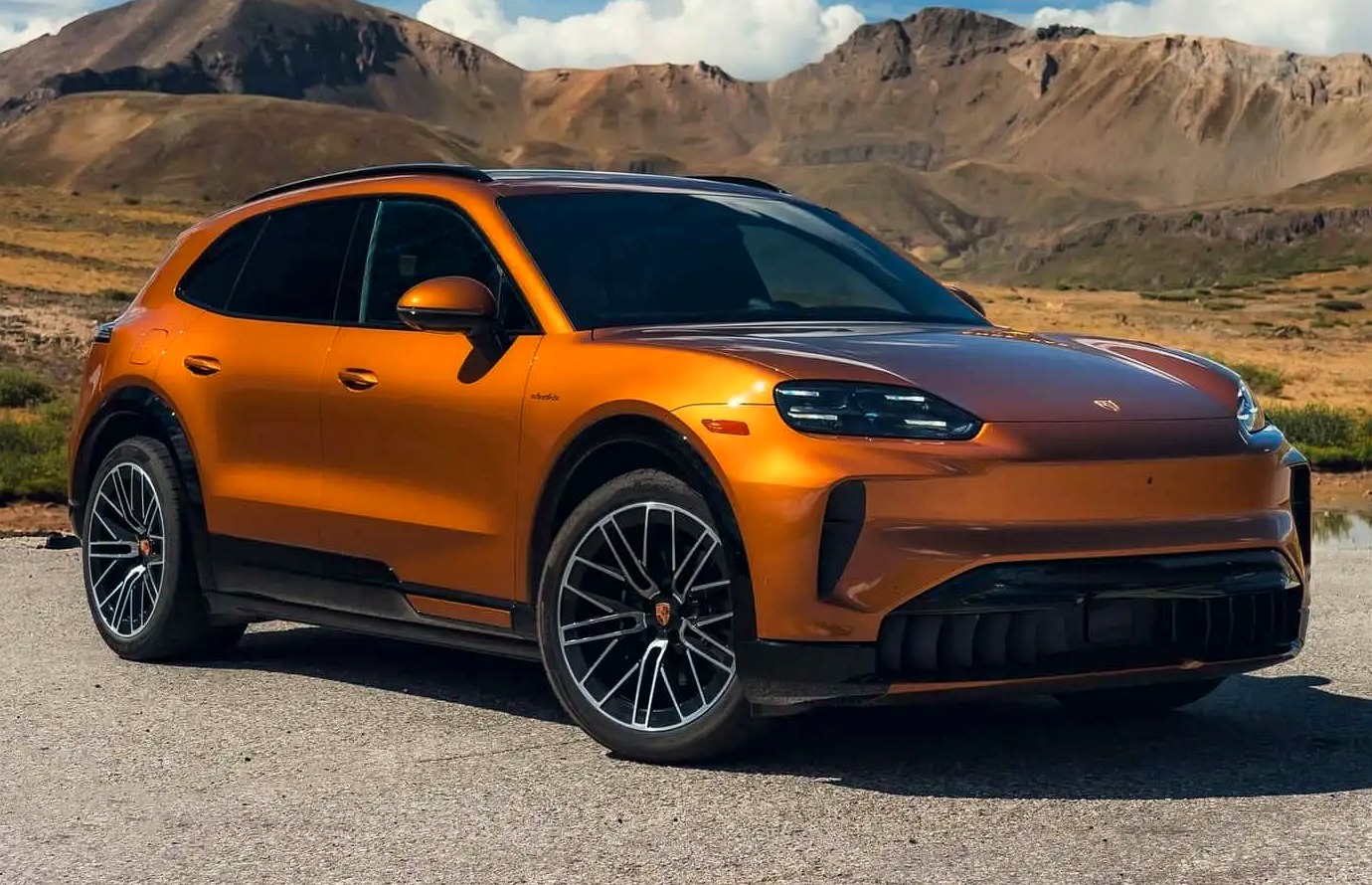
| 🚀 Key Takeaways: • Porsche has successfully engineered battery cells utilizing 100% recycled cathode materials including lithium and cobalt. • The pilot program processes end-of-life high-voltage batteries with a water-based method to ensure circular manufacturing. • Full-scale production of these sustainable cells is slated for 2028, aligning with strict EU battery passport mandates. |
The official debut of the Porsche EV Battery Innovation marks a defining milestone. Engineering a sustainable future for high-performance mobility is no longer a corporate talking point; it is a thermodynamic imperative. By successfully prototyping a cell using 100% recycled cathode materials, Porsche is moving beyond mere sustainability pledges into the realm of true material science leadership.
Specifically, the partnership between the Stuttgart manufacturer and Porsche has yielded a breakthrough in closed-loop chemical extraction. Unlike traditional shredding methods that result in low-purity “black mass,” this water-based process recovers high-grade lithium, nickel, cobalt, and manganese. Consequently, these elements meet the exact metallurgical specifications required for next-generation, high-density performance cells.
Furthermore, this initiative addresses the industry’s most daunting bottleneck: the reliance on finite, environmentally taxing mineral extraction. By validating that recycled materials perform identically to virgin ores, the team has effectively future-proofed the supply chain for their upcoming electrified sports platforms. Meanwhile, the implementation of a proprietary tracking system ensures that every gram of recovered metal is audited against a dedicated digital account.
| ⚙️Engine / Powertrain | High-Voltage Electric |
| 🐎Power Output | Up to 1,000 HP (projected) |
| ⚡Peak Torque | 1,000+ Nm |
| ⏱️0-60 mph (0-100 km/h) | 0-60 mph in 2.1s |
| 🚀Top Speed | 205 mph |
| 🔄Drivetrain / Gearbox | AWD / Dual-Motor |
| 💰Starting Price / Est. | Market Dependent |
Porsche EV Battery Innovation: Analyzing the Tech
Technically speaking, the challenge isn’t just extraction; it is purification at scale. To achieve an identical energy density as virgin cells, the reclaimed materials must be processed to an extreme degree of chemical refinement. Therefore, this pilot line represents a significant leap in computational horsepower for chemical modeling, allowing the engineers to bypass the energy-intensive smelting phase entirely.
In addition, this innovation is timed perfectly for the impending EU Battery Regulation. Starting in February 2027, the digital battery passport mandate will force every manufacturer to document the provenance of every cell component. Because Porsche is already establishing these rigorous recovery pipelines, they are effectively rendering their future fleet immune to the looming supply chain shocks that will likely cripple less prepared automotive legacy brands.
Pricing, Available Trims, and Ownership Value
While this recycling breakthrough does not currently attach a specific price tag to a consumer model, it fundamentally changes the Ownership Value of future EVs. Investors should view this as a hedge against rising raw material costs, which have historically accounted for nearly 40% of battery pack costs. Specifically, as these closed-loop systems scale, we anticipate a stabilization of vehicle residual values, as battery degradation becomes easier to manage through modular, circular-economy-focused architectures.
Moreover, the integration of these recycled cells will be a primary focus for the next generation of electrified vehicles. For more on the future of performance, visit Auto News Magazine to see how this tech trickles down to consumer sports cars. Ultimately, Porsche is not just building faster cars; they are refining the very molecular structure of the modern automotive experience.
Future Speculation
Predicting the trajectory of this tech, I foresee a shift where recycled cathode content becomes a prestige metric similar to horsepower or 0-60 times. Soon, buyers will demand to know the circularity percentage of their battery packs. Consequently, vehicles built with this technology will likely command a premium on the collector market, effectively decoupling luxury performance from the stigma of resource depletion.
Conclusion
To conclude, this is a masterclass in preemptive engineering. By perfecting the recycling loop today, Porsche has effectively signaled that its electric future will not be hindered by the material scarcity that currently limits competitors. Through scientific precision and long-term planning, they are ensuring the brand remains synonymous with both speed and sophisticated, forward-thinking intelligence.
Julian Hayes
Future Mobility & Technology Editor at Auto News Magazine. Covering the next frontier of electric powertrains, 800V architectures, solid-state battery chemistry, and autonomous vehicle platforms.
View all articles by Julian Hayes →