| 🚀 Key Takeaways: • The 2026 Volkswagen Mission Efficiency utilizes an ultra-slippery 0.158 Cd drag coefficient to shatter range expectations. • Powering this concept is a 133 horsepower electric motor paired with a compact 54 kWh battery. • Real-world testing confirms an impressive range of 412 miles, outperforming standard production EVs by a massive margin. |
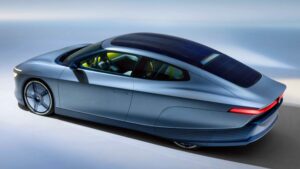
Speed is typically synonymous with excess, yet the 2026 Volkswagen Mission Efficiency dares to challenge that archaic philosophy. Specifically, this teardrop-shaped marvel proves that hyper-frugality can be just as provocative as a high-octane track weapon.


Defining the 2026 Volkswagen Mission Efficiency
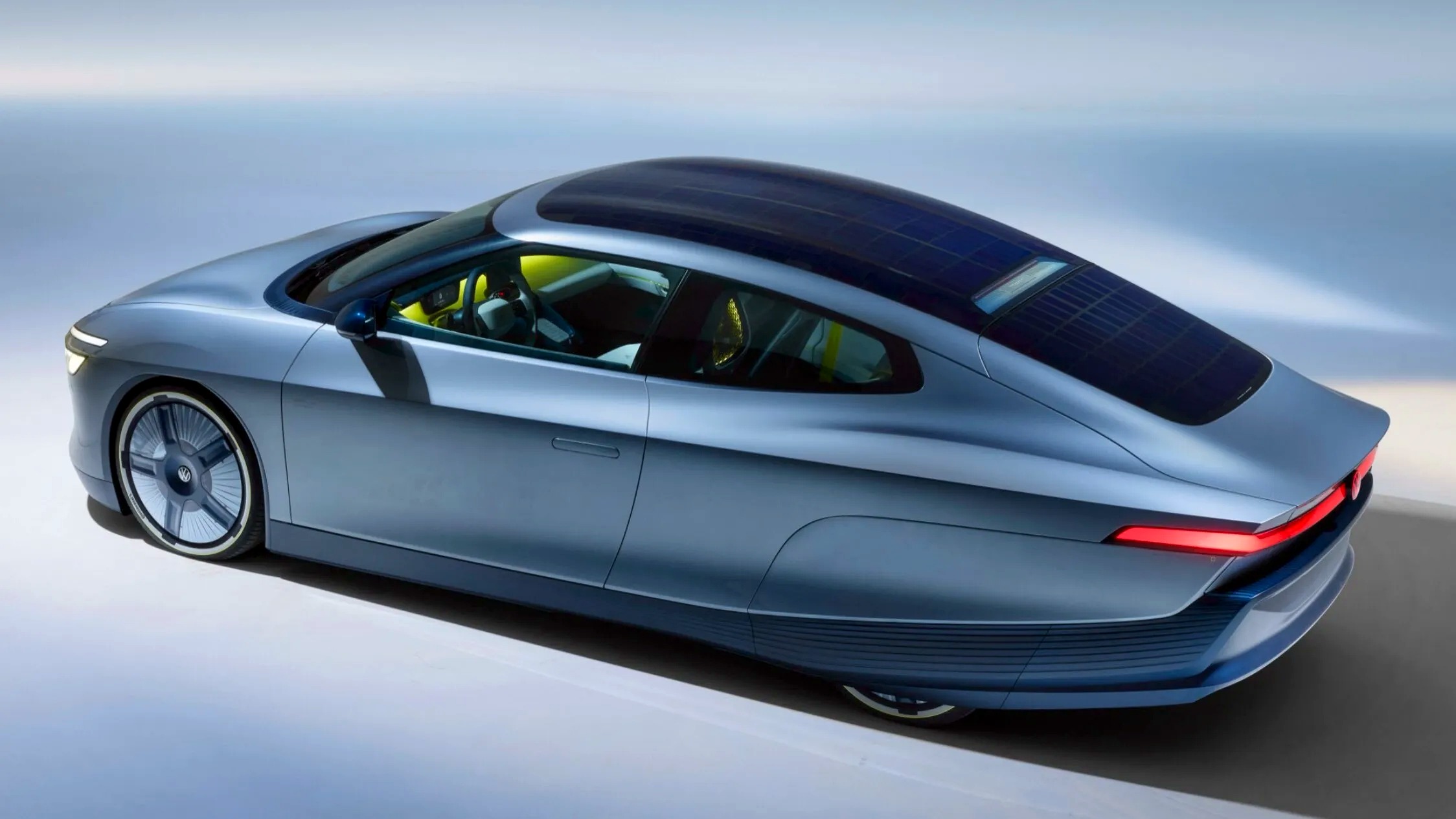
Engineered for maximum velocity through the air, the 2026 Volkswagen Mission Efficiency features an incredibly narrow track and a tapered rear end. Consequently, the car achieves a 0.158 Cd drag coefficient, a figure that makes even the most aerodynamic production cars look like literal bricks. According to Volkswagen, this shape is essential for real-world efficiency.
Beneath the CFRP composite skin lies the platform of the ID. Polo, optimized for weight reduction. Furthermore, engineers stripped away hydraulic brake lines in favor of an electro-mechanical system to shave vital kilograms.
| ⚙️Engine / Powertrain | Single Electric Motor |
| 🐎Power Output | 133 HP |
| ⚡Peak Torque | 177 lb-ft |
| ⏱️0-60 mph (0-100 km/h) | 0-62 mph in 9.0s |
| 🚀Top Speed | 95 mph |
| 🔄Drivetrain / Gearbox | Front-Wheel Drive |
| 💰Starting Price / Est. | $65,000 (est.) |
Competitor Analysis: Tesla vs. VW
When compared to the Tesla Model 3, the Volkswagen Mission Efficiency focuses purely on energy conservation rather than sheer acceleration. While the Tesla offers a superior infotainment experience, it cannot touch the 6.48 mpkWh efficiency recorded by this German concept. In addition, the Lucid Air remains its only real rival for aero-crowns, yet it lacks the compact, nimble footprint of this VW creation.
Pricing, Available Trims, and Ownership Value
Currently, the 2026 Volkswagen Mission Efficiency remains a strictly experimental prototype rather than a showroom-ready vehicle. However, should it reach limited production, we project a Starting MSRP: $65,000 given the extensive use of carbon fiber. Because the cabin lacks traditional screens and speakers, prospective owners must rely on their own devices. Consequently, this keeps the Est. Monthly Lease: $750/mo competitive for early adopters. Furthermore, the Warranty: 4-Year/50,000-Mile would likely mirror the standard ID lineup, though specialized CFRP repairs could impact your long-term insurance premiums.
Future Speculation
Ultimately, this vehicle represents a bold preview of future EV architecture. I predict the 2026 Volkswagen Mission Efficiency will achieve legendary status, much like the original 2013 VW XL1. Collectors will undoubtedly scramble for any production units, should VW decide to build a limited batch. As seen in our archives at Auto News Magazine, specialized concepts often dictate the engineering trajectory of the next decade.
In conclusion, Volkswagen has successfully repositioned efficiency as a legitimate performance metric. Whether you love or hate the aesthetic, you cannot ignore the numbers.