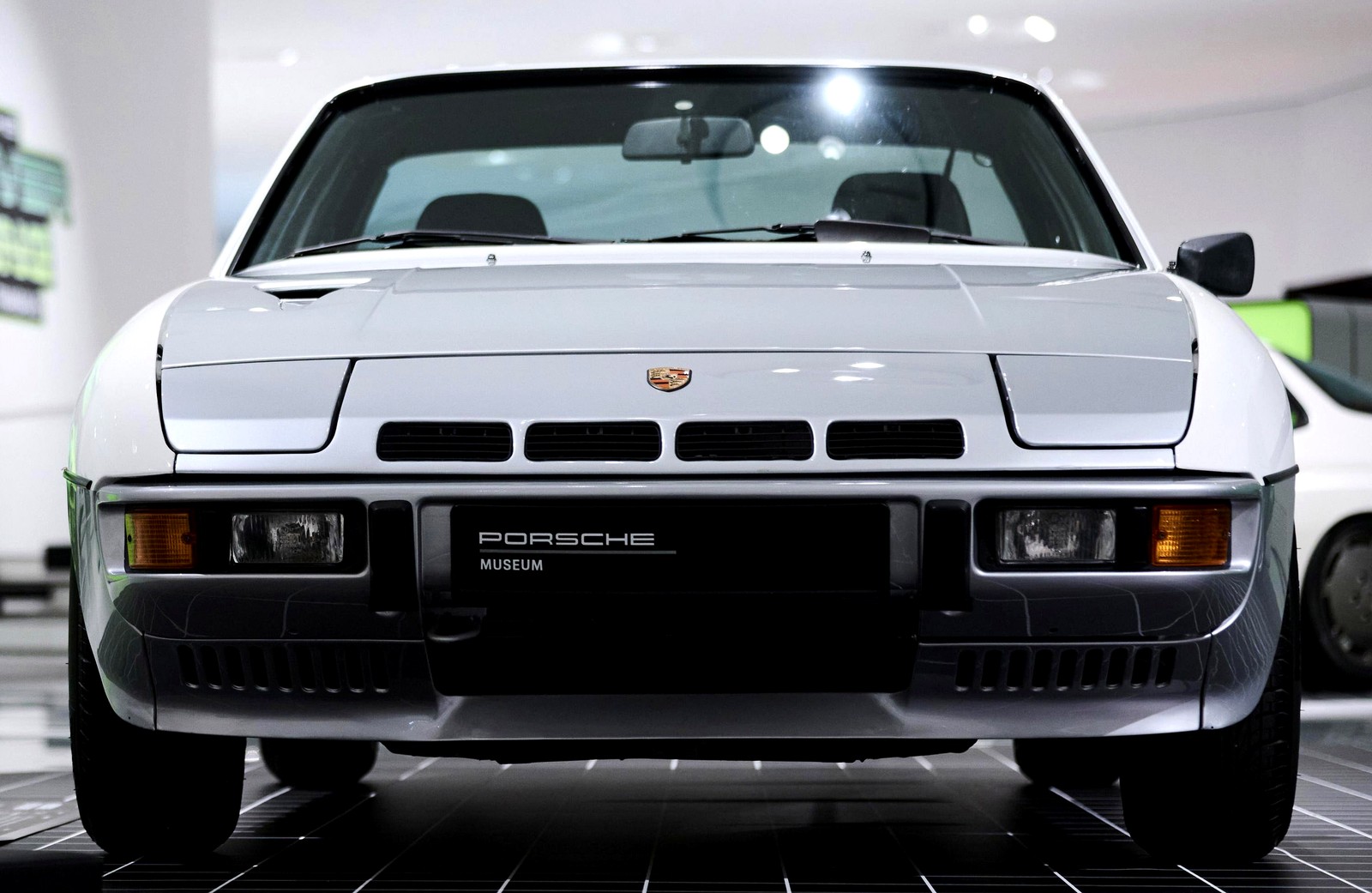
| 🚀 Key Takeaways: • The unconventional Porsche 924 debuted 50 years ago as a bold departure from traditional rear-engine layouts. • Utilizing a revolutionary transaxle design, the car paired a front-mounted engine with a rear-mounted transmission for optimal balance. • Initially penned as a Volkswagen project, the Porsche 924 eventually evolved into an authentic sports car icon. |
The official debut of the Porsche 924 marks a defining milestone. Fifty years ago, Stuttgart took a massive gamble by introducing a water-cooled, front-engined layout that completely challenged traditional brand dogma.


Porsche 924 and the Transaxle Revolution
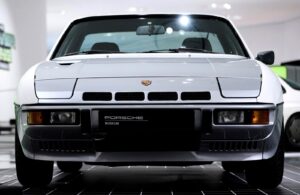
Refusing to rely solely on the iconic rear-engine 911, engineers crafted a balanced 2+2 layout that defied expectations. According to historical archives at Porsche, this radical shift was necessary for survival. However, the origin story of the Porsche 924 traces back to a cancelled Volkswagen development contract known internally as project EA 425.
Ultimately, when Volkswagen dropped the initiative during the 1970s energy crisis, Porsche bought back the rights. They seized full control of the project without altering its core architecture. Featuring crisp angular lines, pop-up headlights, and a large glass rear hatch, designers believed this silhouette represented the future. Furthermore, test drivers praised its remarkable poise and agile handling dynamics on twisty backroads.
| ⚙️Engine / Powertrain | 2.0L Inline-4 |
| 🐎Power Output | 110 HP |
| ⚡Peak Torque | 165 Nm (122 lb-ft) |
| ⏱️0-60 mph (0-100 km/h) | 0-60 mph in 9.5s |
| 🚀Top Speed | 125 mph (201 km/h) |
| 🔄Drivetrain / Gearbox | 4-Speed Manual / RWD |
| 💰Starting Price / Est. | $9,500 (Original MSRP) |
Competitor Analysis: Pitting the Transaxle Pioneer Against Rivals
During its production run, the Porsche 924 faced stiff competition from contemporary European coupes like the Datsun 280ZX and the Alfa Romeo Alfetta GT. Meanwhile, the Datsun relied on a heavy inline-six setup, sacrificing front-end agility compared to the German coupe. Specifically, the Datsun offered straight-line grunt, but lacked the sophisticated weight distribution engineered into Stuttgart’s transaxle architecture. Alternatively, the Alfa Romeo provided wonderful Italian flair and a rear transaxle of its own, but suffered from notorious reliability hurdles and frustrating corrosion issues. Therefore, the Porsche 924 emerged as the superior everyday sports car, blending bulletproof build quality with exceptionally balanced handling.
Pricing, Available Trims, and Ownership Value
Evaluating historical market placement reveals that the Porsche 924 served as an attainable gateway into European sports car ownership. Originally launched with a modest price tag, collectors can now find clean examples on the secondary market with varied valuation curves. Starting MSRP: $9,500 (Historical), Current Collector Value: $15,000 – $35,000, Est. Fuel Economy: 24 mpg city / 31 mpg highway, Warranty: Vintage (N/A), and Insurance Considerations: Classic Car Policy Recommended. Maintenance remains relatively straightforward thanks to shared mechanical components, making it a stellar entry point for enthusiasts exploring classic motoring via Auto News Magazine.
Future Speculation and Collector Status
Decades after its controversial inception, automotive purists finally appreciate the profound impact of this water-cooled classic. Consequently, pristine naturally aspirated models and turbocharged variants are experiencing a major surge in collector demand. Expect well-preserved examples to command rapidly escalating values at major auction houses moving forward.
Ultimately, without this courageous departure from tradition, Stuttgart might not have survived the economic turbulence of the late 1970s. It remains an essential chapter in automotive history.