BMW Neue Klasse Will Adopt Cheaper LFP Batteries For Select Electric Models
 Julian Hayes
2 minutes read
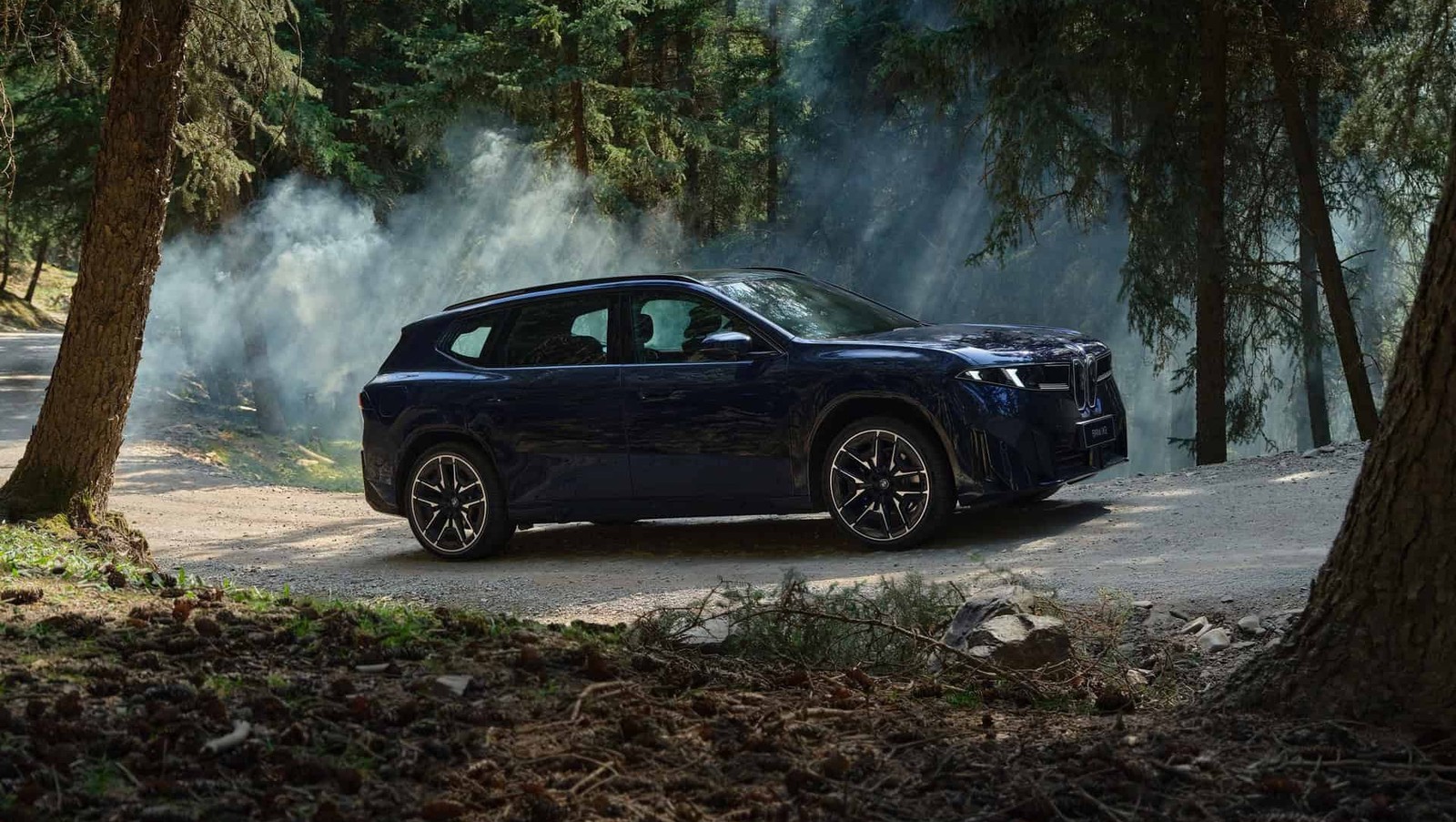
BMW Neue Klasse electric cars are about to get a cheaper heartbeat. Speaking on the Q3 2026 earnings call, CEO Milan Nedeljković confirmed that lithium-iron-phosphate (LFP) batteries are coming. Munich, however, will not swap chemistries across the board. Instead, BMW plans to deploy LFP with surgical precision.
Why BMW Neue Klasse Splits Its Battery Strategy
NMC cells currently power the launch lineup, and for good reason. Nickel, manganese, and cobalt pack more energy into less volume, which matters in heavier, pricier machines. LFP cells, by contrast, cost roughly 20% less to produce and tolerate repeated charging cycles with greater grace.
Still, the tradeoff is real. LFP needs more space and mass to store the same energy, and it charges more sluggishly in cold weather. Performance-oriented projects like the BMW i3 M60 teaser suggest where maximum energy density still matters most.
Cheaper Cells, Sharper Choices for Buyers
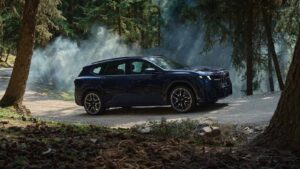
Inside the BMW Neue Klasse range, the China-only iX3 30L shows this split in practice. Its LFP pack sits alongside pricier 40L and 50L variants that keep NMC. The entry model offers a 77 kWh pack and a claimed 630 km (391 miles) on China’s CLTC cycle, starting at RMB 269,900.
Nedeljković did not name the future LFP models or confirm when they will reach Europe and North America. Even so, the message is clear: BMW sees room for both chemistries. That is the sensible approach. Full lineup details are available on the official BMW website.
Ultimately, my bet is that LFP variants become the volume sellers of the Neue Klasse era. NMC models will carry the brand’s performance halo, while cheaper cells quietly make the badge far more accessible. Visit Auto News Magazine for more EV battery analysis.
Julian Hayes
Future Mobility & Technology Editor at Auto News Magazine. Covering the next frontier of electric powertrains, 800V architectures, solid-state battery chemistry, and autonomous vehicle platforms.
View all articles by Julian Hayes →