Audi Digital Matrix Finally Tunnels Through America’s Dark Roads With Adaptive Beams
 Liam Campbell
2 minutes read
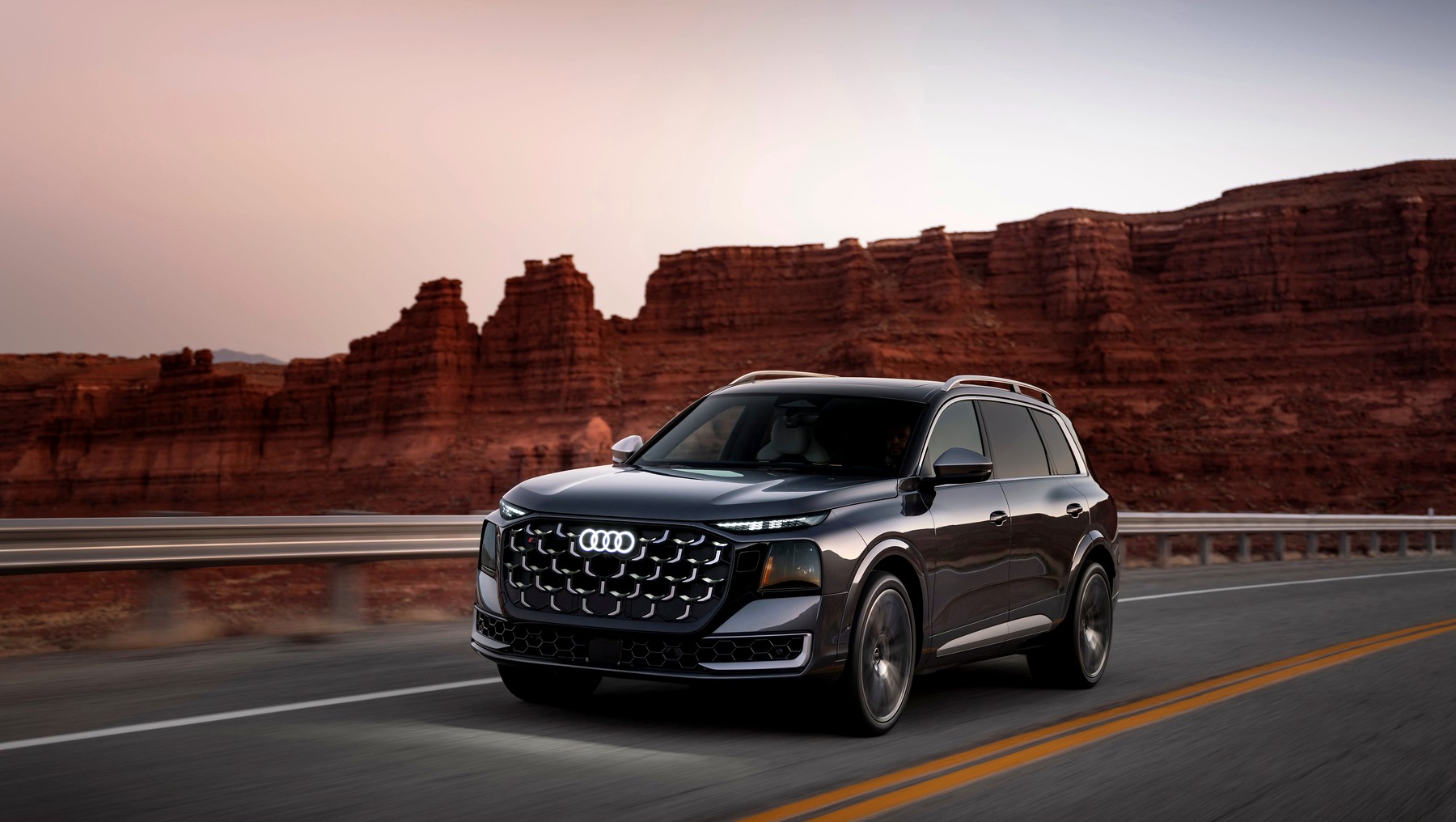
Adaptive driving beams are finally cutting through the dark on American roads, and Audi Digital Matrix is the newest proof. Europe has enjoyed this headlight tech for over a decade. Stateside, federal rules kept it locked away for years. Even after the 2022 regulatory opening, the rollout crawled.


Audi Digital Matrix Navigates Regulatory Minefield
Blame FMVSS 108, the NHTSA rule that never harmonized U.S. headlight standards with Europe. Automakers must now engineer separate hardware and software for American roads. Premium brands are breaking through anyway, led by the new Mercedes-Benz S-Class and the Audi Q9. Rivian and Tesla arrived earlier, a reminder that premium lighting is a fiercely contested battlefield, much like the Rivian and Mercedes push into fast charging.
Hardware is where the story gets interesting. Audi’s previous system relied on 1.3 million micro-mirrors. Its replacement packs 25,600 micro-LEDs into two stacked modules inside a redesigned housing. Ultimately, the new packaging is lighter and throws more usable light. The Audi Digital Matrix hardware is now identical in the U.S. and Europe, which is a rare win for engineers.
One-Degree Rule Creates a Giant Tunnel
Here is where the frustration sets in. European systems hug the outer mirror of the car ahead. American tunnels are far wider, and Audi’s head of front light development, Michael Kruppa, needed a wild pig to explain it. The regulatory buffer also forced Audi to change its low-beam pattern entirely.
Kruppa was blunt about the trade-off. “It’s frustrating because you always see some more
Liam Campbell
Industry Intelligence & News Editor at Auto News Magazine. Tracking prototype spy shots, Nürburgring development mules, automaker corporate moves, and breaking global automotive scoops.
View all articles by Liam Campbell →