Porsche US strategy stays European while Audi bets $4 billion on Georgia
 Liam Campbell
3 minutes read
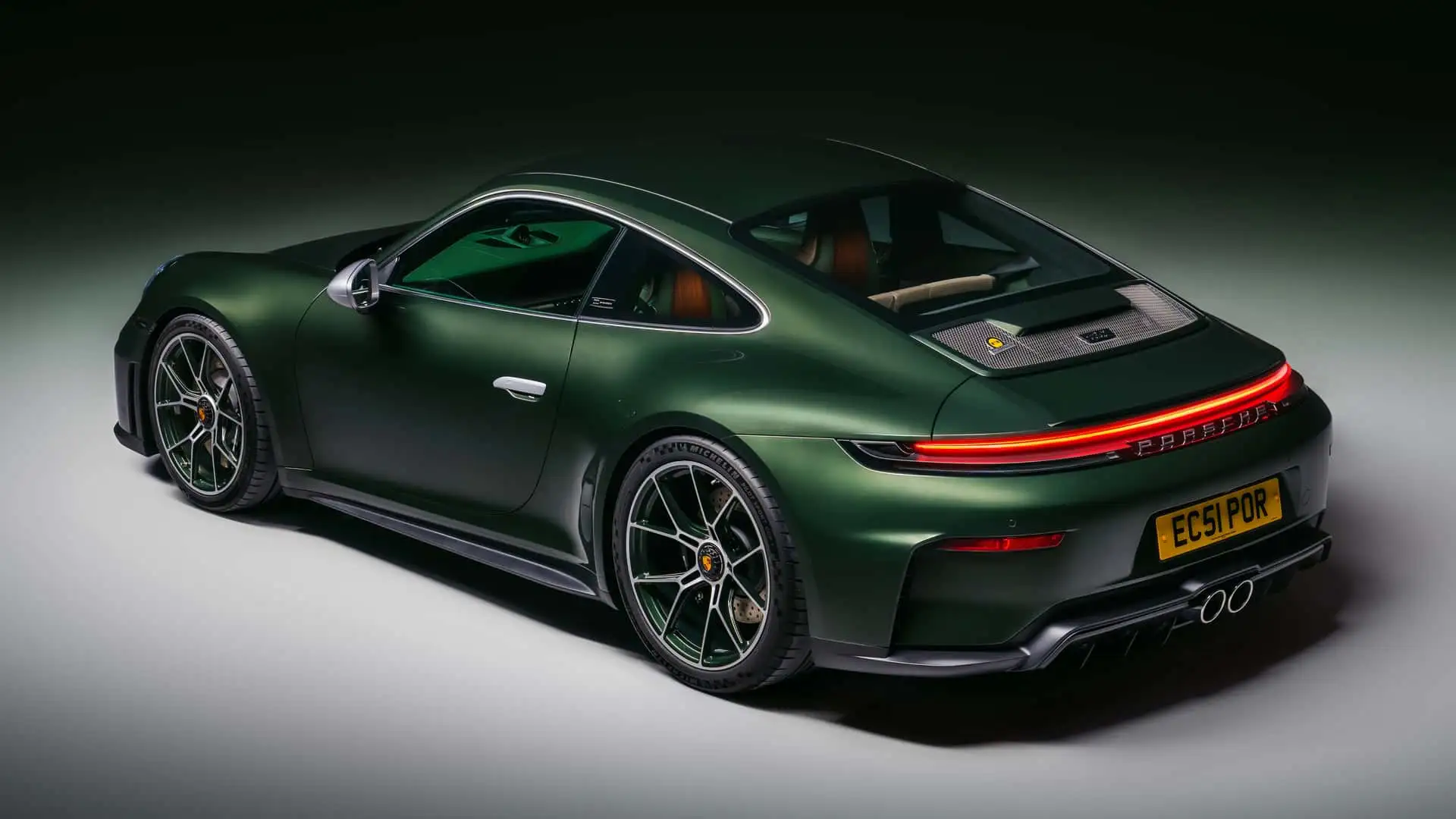
Porsche US strategy just got its clearest answer yet, and the answer is no to American assembly. Days after Audi committed $4 billion to a new Georgia factory, Porsche’s finance chief made it plain that the sports car brand is not following. The decision is a deliberate sidestep, and it tells us a lot about how the company reads the tariff war.


Porsche US Strategy Rests On Europe
Jochen Breckner, Porsche’s chief financial officer, says low production volumes rule out moving final assembly to the United States. Even if assembly moved, engines and other parts would still have to cross the Atlantic. That dense European supplier network is the real anchor, and it does not relocate overnight.
On paper, a US line sounds logical. In reality, a dedicated plant needs volume that Porsche simply does not have, even with the Cayenne as one of its best-selling nameplates worldwide. The company’s boutique mindset, visible in its Sonderwunsch one-offs, extends into production planning. Low-volume engineering stays close to home. Porsche also points to the official Porsche site for its broader footprint, though the message from Stuttgart is consistent.
Breckner is not waiting for Washington to soften. “We are basing our business model on the assumption that the 15 percent tariffs will remain in place,” he said. Porsche expects tariff costs in the high hundreds of millions of euros in 2026, on top of the 2.5 percent base rate already stacked on European imports.
Audi Chases Volume, Porsche Chases Margin
Audi’s Middle Georgia Megasite is built around high-volume SUVs, with 200,000 vehicles a year at full capacity. Roughly 4,500 jobs arrive once production ramps in 2031. Porsche does not sell at that scale, so splitting a small run across two continents adds cost without solving the tariff problem.
Still, the contrast is instructive. Audi is buying exposure reduction over time, while Porsche is accepting the tariff bill and protecting its supplier base. Both strategies carry risk, but only one of them fits a segment benchmark built on exclusivity.
Profits Recover, But Deliveries Keep Sliding
Porsche returned to an operating profit of €387 million in the third quarter, a sharp reversal from a €967 million loss a year earlier. Even so, quarterly revenue fell 7.5 percent to €8 billion as China sales kept sliding. Nine-month deliveries dropped 16 percent to 178,532 units.
Ultimately, Porsche is pinning its recovery on a new combustion compact SUV due in 2028, a successor to the current gas Macan. Whether that bet outruns the tariff headwind is the question that matters most. For now, Porsche US strategy is simple: keep building in Europe and absorb the cost.
Liam Campbell
Industry Intelligence & News Editor at Auto News Magazine. Tracking prototype spy shots, Nürburgring development mules, automaker corporate moves, and breaking global automotive scoops.
View all articles by Liam Campbell →