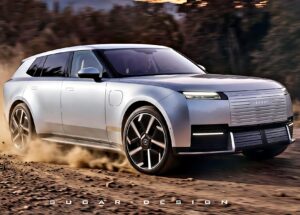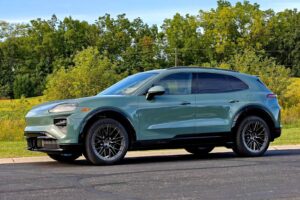
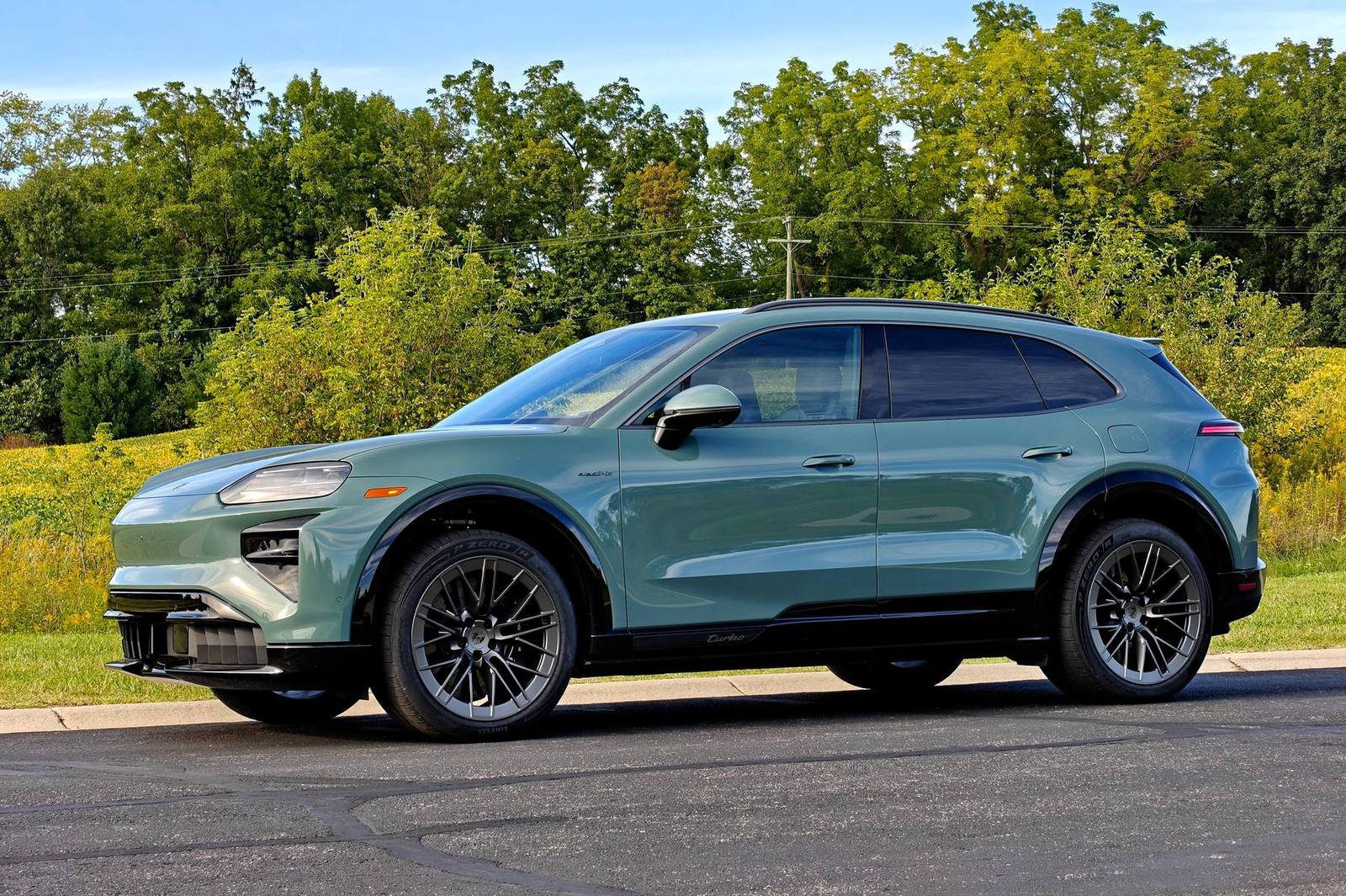
The Porsche Cayenne Electric isn’t just another luxury EV SUV. It’s a masterclass in 800V architecture, computational horsepower, and thermal engineering. Porsche has engineered a vehicle that obliterates the charging anxiety plaguing conventional EVs while delivering the performance credentials you’d expect from the brand’s most ambitious electrification effort yet.


800V Charging Redefined
Peak charging plateaus of 270 kW mean the Cayenne Electric reaches 80% capacity in just 22 minutes on a 350 kW DC fast charger. That’s not incremental progress, it’s a fundamental shift in how we think about EV infrastructure. Silicon-carbide inverters minimize thermodynamic losses, boosting efficiency by 5-8% versus conventional 400V platforms.
Home charging via an 11 kW wallbox takes approximately 9 hours for a full charge. The onboard software intelligently manages battery temperature during rapid charging cycles, preventing the phantom battery drain that plagues lesser EVs. This is computational horsepower applied to the charging experience itself.
| ⚙️Engine / Powertrain | Dual Electric Motors (Synchronous AC) |
| 🐎Power Output | 516 HP (standard) / 670 HP (Turbo variant) |
| ⚡Peak Torque | 750 Nm (553 lb-ft) / 900 Nm (664 lb-ft) Turbo |
| ⏱️0-60 mph (0-100 km/h) | 0-60 mph in 4.2s (standard) / 3.4s (Turbo) |
| 🚀Top Speed | 160 mph (257 km/h) |
| 🔄Drivetrain / Gearbox | Dual-Motor AWD / 800V Architecture |
| 💰Starting Price / Est. | $79,900 – $99,900 (est.) |
Dual-Motor Performance Architecture
The standard Cayenne Electric delivers 516 horsepower and 750 Nm torque, launching to 60 mph in 4.2 seconds. Still, the Turbo variant pushes output to 670 horsepower and 900 Nm, shaving 0.8 seconds off that sprint. Both configurations maintain the same 310-mile EPA range through optimized thermal cooling loops and intelligent power distribution.
Porsche’s blended friction-regen braking system seamlessly transitions between motor braking and friction pads. The dual-motor setup captures up to 270 kW during deceleration, recovering roughly 15-20% of energy in mixed driving cycles. This isn’t just regenerative braking, it’s a computational dance between electric and mechanical systems.
Aerodynamic Slipstream & Efficiency
With a drag coefficient optimized for EV efficiency, the Cayenne Electric cuts through air with surgical precision. Porsche’s design team didn’t compromise aesthetics for aerodynamics. Instead, they integrated active cooling shutters, flush door handles, and a sculpted underbody that whispers rather than shouts.
Inside, the digital UX software integration feels native to the EV experience. Over-the-air architecture means the Cayenne Electric improves over time, receiving software updates that enhance charging algorithms, thermal management, and driving dynamics without a dealership visit.
The Resale Verdict
Porsche’s heritage and the Cayenne’s proven market dominance suggest strong residual values. In five years, expect these to hold 55-60% of their original value, exceptional for an EV. The 800V architecture and dual-motor performance will age gracefully as charging infrastructure matures. This isn’t a speculative EV purchase. It’s a calculated investment in future mobility, backed by Porsche’s engineering pedigree and a manufacturer committed to electrification done right.
The Porsche Cayenne Electric represents what happens when a century-old performance brand takes EVs seriously. It’s not a compromise. It’s a complete reimagining of what luxury performance looks like in the age of silicon-carbide inverters and 800V charging. Explore every angle in our gallery above, and you’ll understand why this SUV just reset the benchmark for computational horsepower in the luxury segment.

Julian Hayes
Future Mobility & Technology Editor at Auto News Magazine. Covering the next frontier of electric powertrains, 800V architectures, solid-state battery chemistry, and autonomous vehicle platforms.
View all articles by Julian Hayes →