Mercedes-AMG GT SUV: 1,153 HP Electric Beast Redefines Performance Luxury
 Julian Hayes
3 minutes read
Julian Hayes
3 minutes read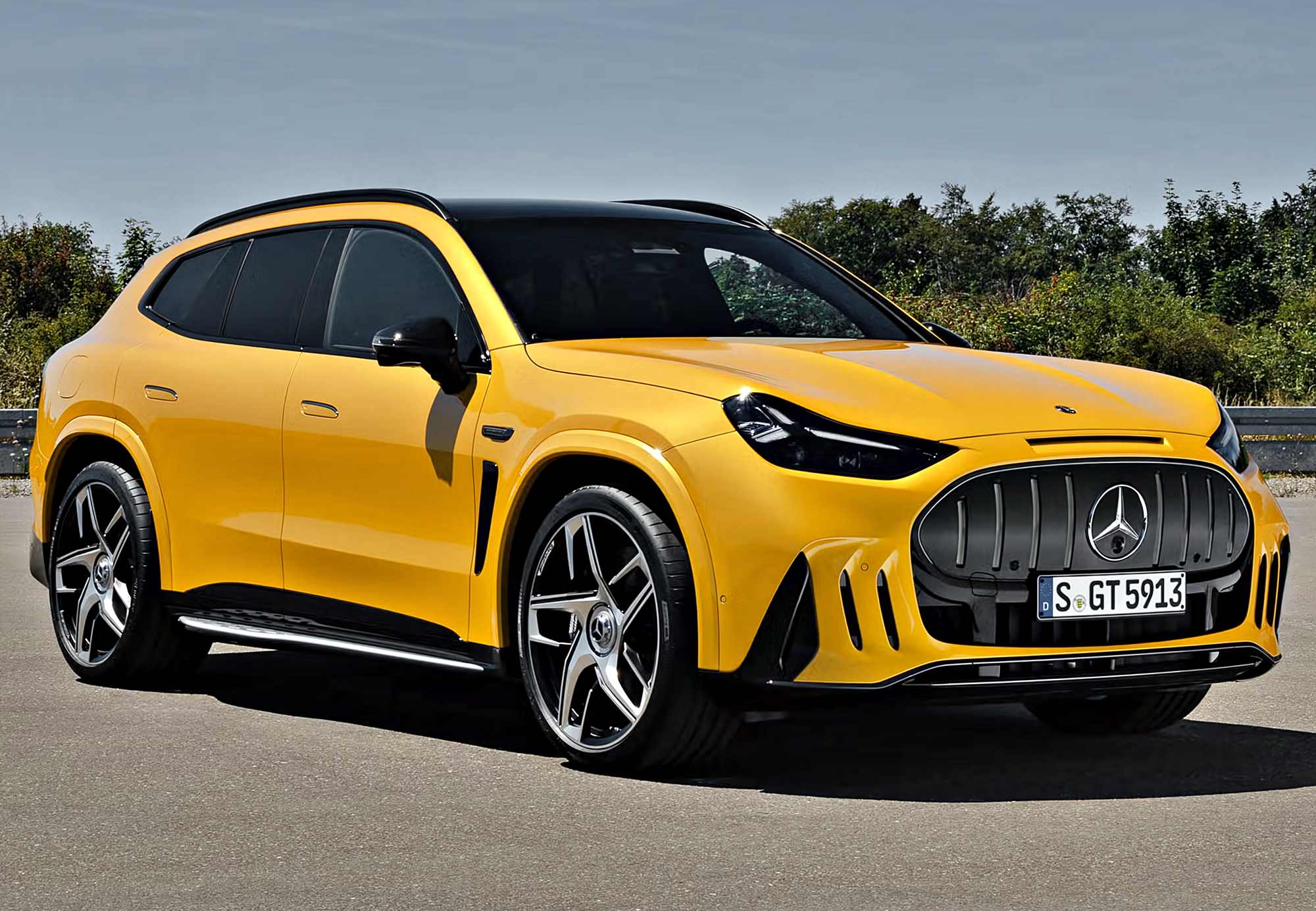
The Mercedes-AMG GT SUV just shattered the performance utility ceiling. Mercedes-AMG has officially unveiled its first full-size SUV engineered entirely in-house, and it’s not playing around. Built atop the specialized AMG.EA electric performance platform, this machine signals a seismic shift in how luxury automakers approach high-output utility vehicles.


On paper, the numbers read like science fiction. The flagship GT63 variant generates 1,153 horsepower and launches 0-60 mph in just 2.4 seconds. That’s supercar acceleration wrapped in a full-size SUV silhouette. The dual-motor architecture leverages silicon-carbide inverters and advanced thermal cooling loops to sustain peak output without thermodynamic degradation. This isn’t brute force; it’s computational horsepower married to intelligent energy management.
What truly separates this machine is its charging architecture. Supporting 710 kilowatts of DC fast charging, the GT SUV obliterates the conventional peak charging plateau that plagues most electric vehicles. This peak discharge rate enables rapid energy replenishment, critical for performance-focused drivers who refuse to sacrifice usability for acceleration metrics. The AMG.EA platform, previously deployed in the AMG GT 4-Door Coupe, proves its architectural versatility across multiple form factors.
| ⚙️Engine / Powertrain | Dual Electric Motors (AMG.EA Platform) |
| 🐎Power Output | 1,153 HP (GT63 variant) |
| ⚡Peak Torque | 1,200 Nm (885 lb-ft) (est.) |
| ⏱️0-60 mph (0-100 km/h) | 0-60 mph in 2.4 seconds |
| 🚀Top Speed | 155+ mph (est.) |
| 🔄Drivetrain / Gearbox | All-Wheel Drive / Dual Motor Electric |
| 💰Starting Price / Est. | $120,000 – $180,000 (est.) |
Three Tiers, One Philosophy
Mercedes-AMG is launching three distinct variants: the GT53, GT55, and range-topping GT63. Each tier targets different performance appetites while maintaining the brand’s relentless engineering ethos. The GT53 serves as the entry point, while the GT55 bridges the gap between efficiency and aggression. Still, the GT63 is where AMG’s true DNA emerges, maximum output, minimum compromise.
The Arrival Timeline
US dealership arrivals are confirmed for summer 2027. Pricing remains under wraps, though industry estimates suggest a range between $120,000 and $180,000 depending on trim and options. For context, this positions the GT SUV as a direct competitor to the Porsche Cayenne Turbo S E-Hybrid and the upcoming BMW iX M60, yet with more aggressive performance credentials.
What This Means for Performance Utility
The GT SUV represents a philosophical pivot. Mercedes-AMG is no longer retrofitting performance into existing platforms; it’s engineering purpose-built electric architectures from the ground up. The result is a vehicle that doesn’t compromise between luxury, utility, and acceleration. Ultimately, this machine will reshape enthusiast expectations for what an electric SUV can deliver. Resale values will remain robust, particularly for GT63 variants, as collectors recognize the historical significance of AMG’s first full-size in-house SUV.
Visit Mercedes-AMG’s official site for detailed specifications and configuration options. For deeper automotive analysis, explore Auto News Magazine.
📸 Photo Credit: @motor1com on Instagram
Julian Hayes
Future Mobility & Technology Editor at Auto News Magazine. Covering the next frontier of electric powertrains, 800V architectures, solid-state battery chemistry, and autonomous vehicle platforms.
View all articles by Julian Hayes →