Porsche 968 review: The £11k Forgotten Masterpiece Waiting to Surprise You
 Liam Campbell
3 minutes read
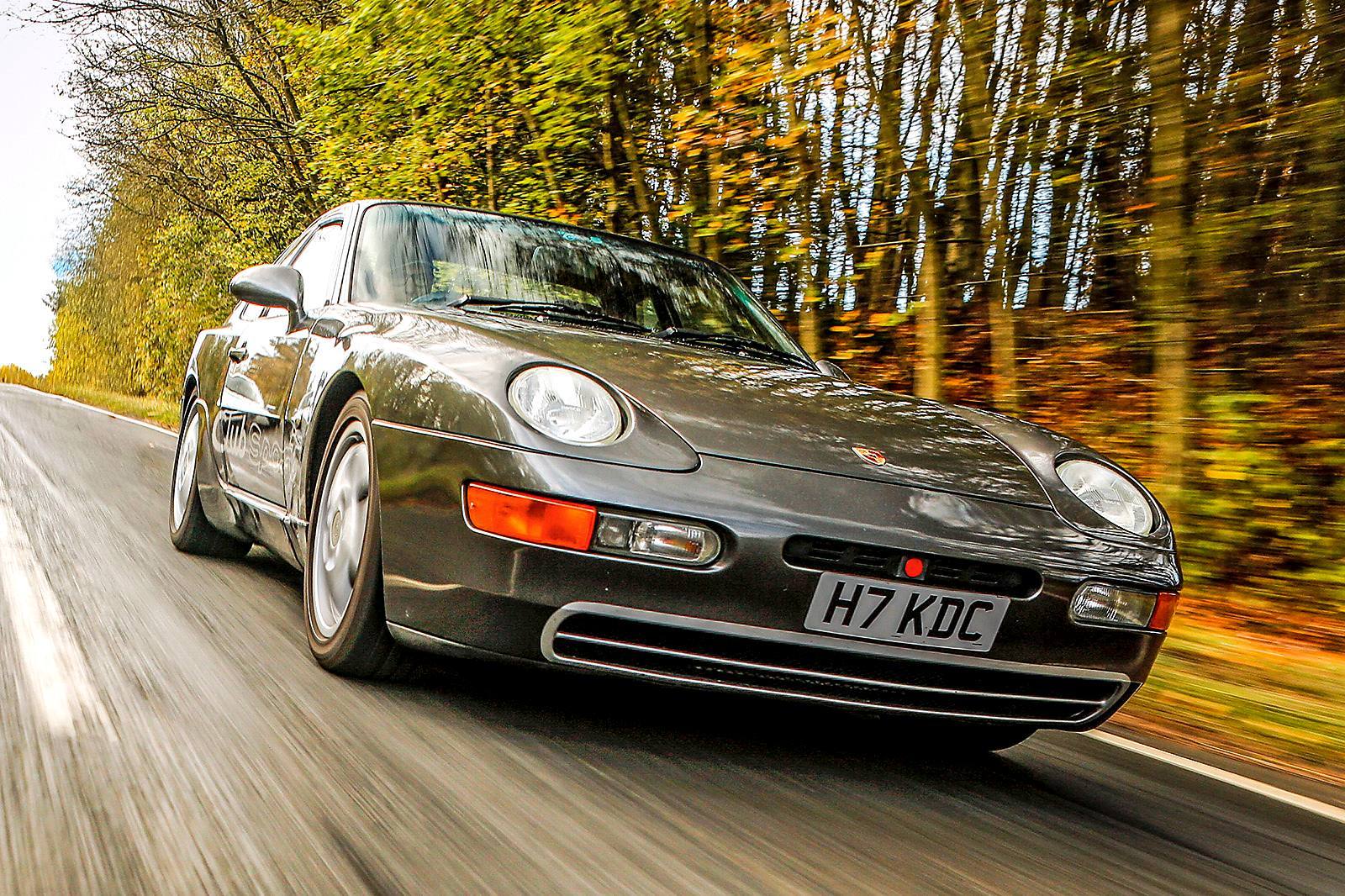
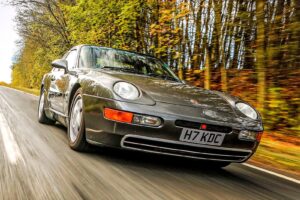
The Porsche 968 review begins with a simple truth: this car is vanishing. On sale for just four years (1992-1995) with fewer than 13,000 examples built globally, the 968 has become a genuine rarity. In contrast, roughly 6,000 examples of its nine-year-old predecessor, the 944, still prowl British roads. Today, only around 850 remain in the UK. For buyers hunting an affordable Porsche with authentic credentials, the 968 represents a closing window.
The Engine That Rewrote The Rules
Porsche originally intended the 968 as a 944 S3. Instead, the company decided the revised model deserved its own identity. Beneath the skin sits an all-aluminium 3.0-litre inline-four with balancer shafts, 16 valves, and 237 horsepower. That single-engine strategy meant no turbocharged option for road cars (though 14 racing variants existed). What mattered was VarioCam, Porsche’s then-new variable valve timing system operating between 1,500 and 5,500 rpm.
The result? Instantaneous throttle response and deep torque reserves. In manual form, the 968 sprints from 0-62 mph in 6.1 seconds. The Tiptronic automatic costs roughly 1-2 seconds. Still, the real magic lies in how the engine feels at every rev range. Smooth, communicative, and genuinely eager. According to Porsche, the 968 represented a technological leap forward for the brand’s front-engine lineup.
| ⚙️Engine / Powertrain | 3.0L Inline-4 with VarioCam & Balancer Shafts |
| 🐎Power Output | 237 HP |
| ⚡Peak Torque | 225 lb-ft (305 Nm) |
| ⏱️0-60 mph (0-100 km/h) | 0-62 mph in 6.1s (manual) |
| 🚀Top Speed | 155 mph (249 km/h) |
| 🔄Drivetrain / Gearbox | 6-Speed Manual / 4-Speed Tiptronic Automatic, Rear-Wheel Drive |
| 💰Starting Price / Est. | £8,000 – £15,000 (used market) |
Handling That Demands Respect
Autocar’s testers awarded the 968’s handling five stars. Immense grip, composure under duress, and direct steering defined the experience. The payoff? A firm ride verging on harsh. Even so, that suspension tuning delivered superb body control. The 968 shared its basic dimensions and chassis with the 944, but Porsche refined everything that mattered.
Three variants emerged: the standard 2+2 coupé and cabriolet (1992), the stripped Club Sport (1993), and the semi-skimmed Sport (1994). The Sport became the fan favourite, balancing performance with practicality. Yet any well-maintained 968 with full service history is the true prize. Parts availability remains solid thanks to enthusiast networks and 944 compatibility. A committed supply chain keeps these cars alive.
The Buying Checklist That Matters
Engine maintenance is critical. Verify annual service records supported by detailed invoices. The 968 runs both a timing belt and cam chain. The belt and water pump require replacement every four years. The chain shouldn’t need changing, but tensioner guides may fail (listen for cylinder head noises). A balancer shaft belt also demands four-year intervals. Check for oil leaks at the front engine seal.
On paper, the 968 looks vulnerable. Fewer cars built means potential parts scarcity. In reality, the enthusiast community has solved that puzzle. At £11,000, you’re acquiring a rare, well-engineered GT that still delivers genuine driving pleasure. The 968 isn’t just a forgotten Porsche. It’s a masterclass in how to build a front-engine sports car that refuses to feel dated. That’s worth remembering as these cars continue disappearing from the market. Visit Auto News Magazine for more Porsche analysis and industry intelligence.
Liam Campbell
Industry Intelligence & News Editor at Auto News Magazine. Tracking prototype spy shots, Nürburgring development mules, automaker corporate moves, and breaking global automotive scoops.
View all articles by Liam Campbell →