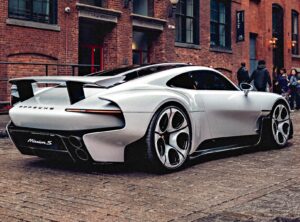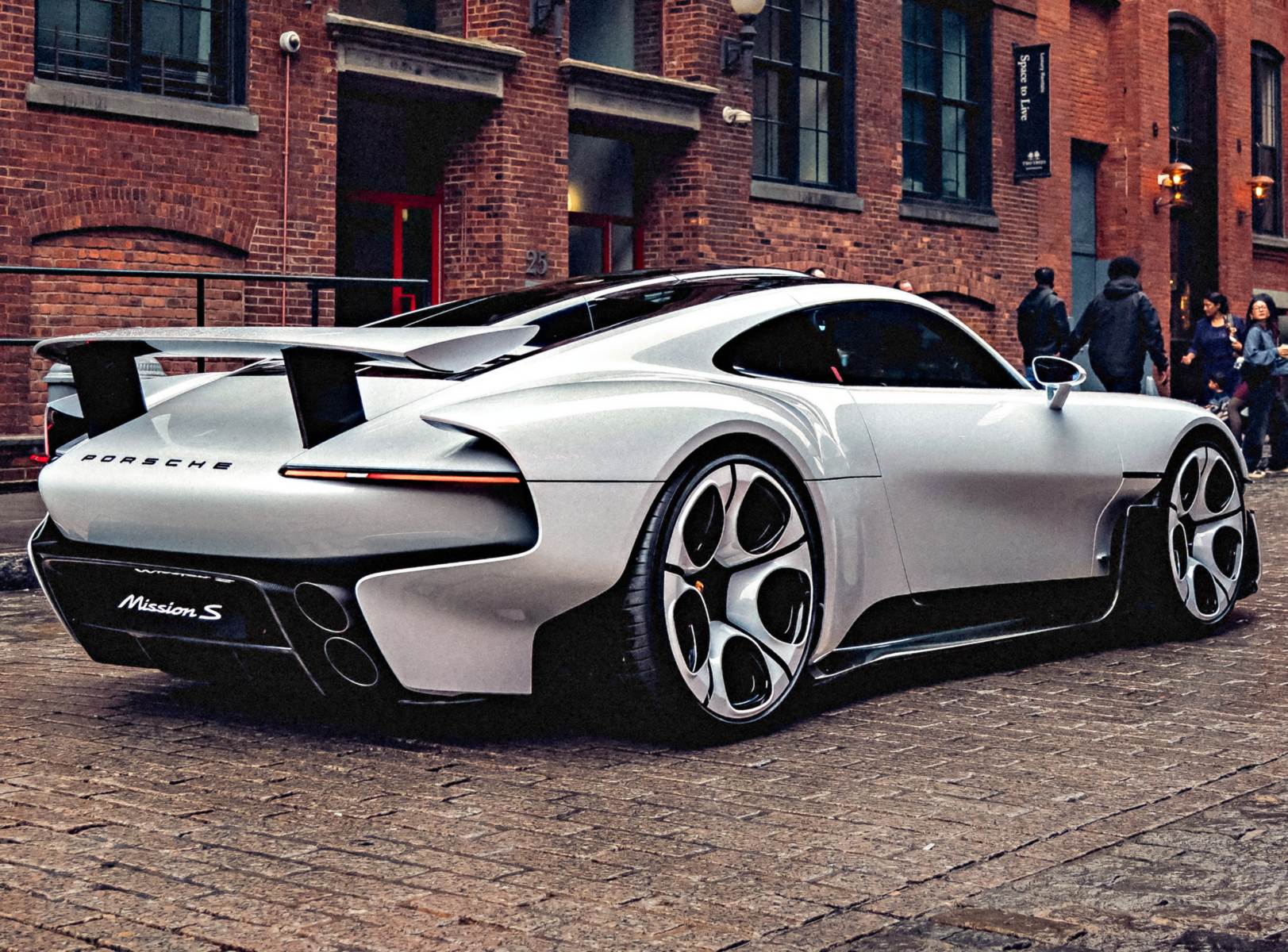
The Porsche Mission S just rolled onto Manhattan asphalt, and the automotive industry is watching closely. Porsche’s latest concept vehicle made its real-world debut navigating the iconic urban landscape of New York City, marking a watershed moment in the brand’s electrification strategy. This isn’t a studio exercise anymore. This is a statement of intent.


📸 Photo Credit: @porsche on Instagram
For years, Porsche has carefully managed its transition from combustion to electric power. The Taycan proved the brand could build credible EVs. Still, the Mission S represents something far more aggressive: a direct challenge to Ferrari’s hypercar dominance. By positioning a mid-mounted electric motor in a low-slung, futuristic chassis, Porsche is signaling that performance and zero-emission propulsion aren’t mutually exclusive. The design language screams future-forward, with sharp aerodynamic cues and a silhouette that abandons the iconic 911 profile entirely.
| ⚙️Engine / Powertrain | Mid-mounted Electric Motor (est.) |
| 🐎Power Output | 1,000+ HP (est.) |
| ⚡Peak Torque | 1,000+ Nm (est.) |
| ⏱️0-60 mph (0-100 km/h) | 0-60 mph in 2.5s (est.) |
| 🚀Top Speed | 200+ mph (est.) |
| 🔄Drivetrain / Gearbox | Mid-Engine Electric / RWD |
| 💰Starting Price / Est. | $1.8M (est.) |
Electric Power Meets Hypercar Ambition
Porsche has kept technical specifications deliberately vague, but industry sources estimate the Mission S will deliver over 1,000 horsepower from its mid-mounted electric powertrain. That’s hypercar-class acceleration territory. The architecture itself is the story here. By ditching the rear-engine layout that defined Porsche for seven decades, the brand is making a calculated business decision: the future belongs to mid-engine electrics, not air-cooled nostalgia.
Strategic Positioning Against Ferrari
This move isn’t random. Ferrari is scrambling to launch its own electric hypercar, and Porsche wants to arrive first with a credible alternative. The Mission S, as detailed in our earlier coverage of the Porsche Mission S hypercar strategy, represents a calculated assault on the ultra-luxury performance segment. Pricing will likely hover around $1.8 million, positioning it directly against Ferrari’s LaFerrari successor and Lamborghini’s upcoming electric flagship.
What This Means for Porsche’s Future
The Mission S debut in New York signals Porsche’s willingness to cannibalize its own 911 legacy. Production timelines remain unconfirmed, but expect a limited run of fewer than 500 units globally. Resale values will be astronomical. Enthusiasts who secure an allocation will sit on an appreciating asset that bridges Porsche’s combustion past and electric future. This is the hypercar that proves Porsche isn’t abandoning performance in the EV era. It’s doubling down on it.
Visit Porsche’s official site for the latest updates on the Mission S and its development timeline. For deeper industry analysis, check Auto News Magazine for ongoing coverage of the hypercar wars.

Liam Campbell
Industry Intelligence & News Editor at Auto News Magazine. Tracking prototype spy shots, Nürburgring development mules, automaker corporate moves, and breaking global automotive scoops.
View all articles by Liam Campbell →