Lotus Evija Hypercar: Hammond Unleashes 2,000 HP Electric Beast at Hethel
 Marcus Vance
3 minutes read
Marcus Vance
3 minutes read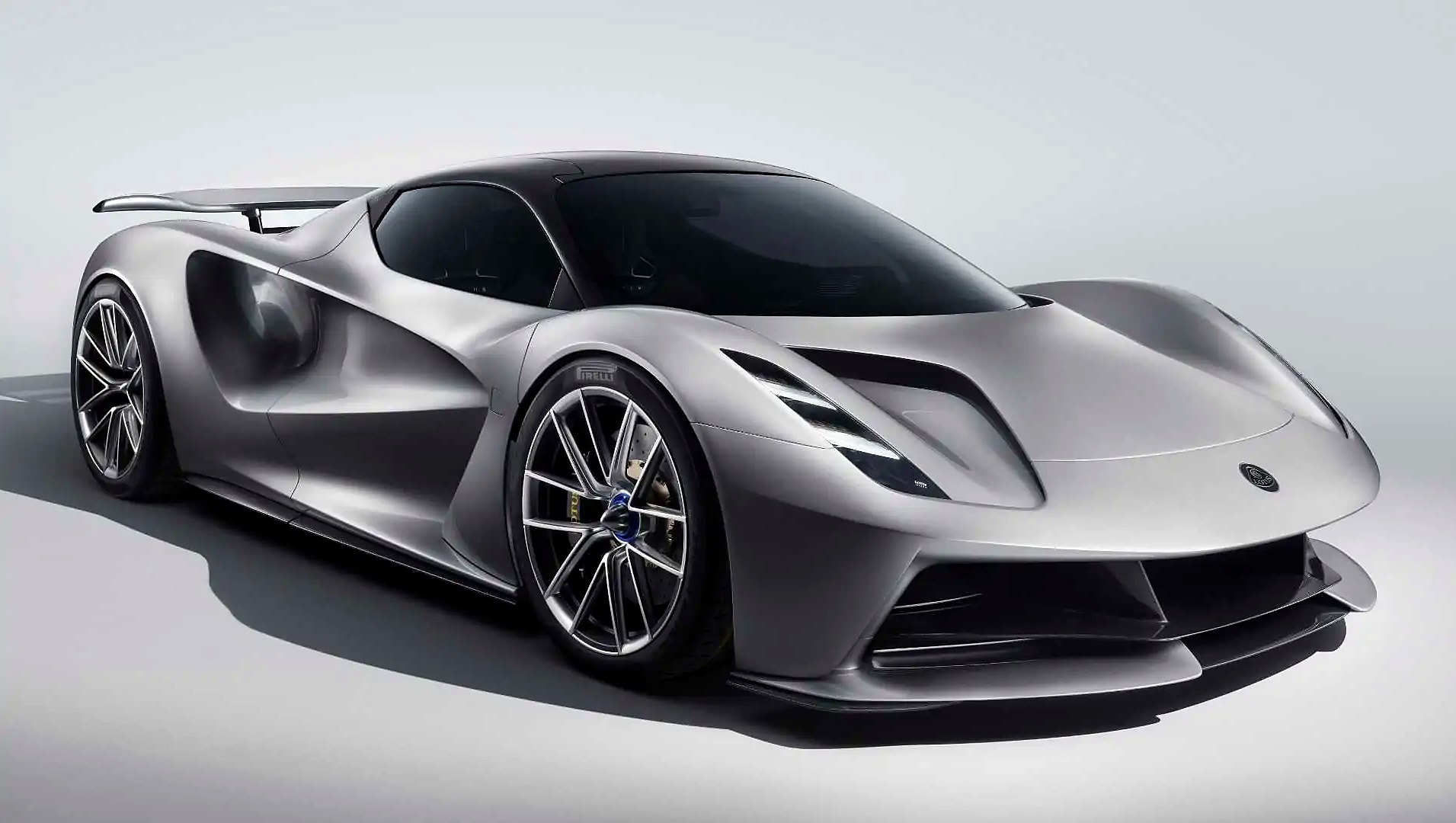
Richard Hammond finally got a proper go in one of the wildest electric machines ever conceived. Lotus invited the TV presenter to its Hethel test track to explore the Lotus Evija hypercar, giving him the chance to dissect this 2,000 HP electric beast alongside Lotus engineering and motorsport director Gav Kershaw. This isn’t just another EV flex. This is a statement about what happens when British engineering obsesses over mechanical purity in an electric age.


📸 Photo Credit: @DriveTribe on Instagram
Four Motors, One Obsession
The Evija’s architecture is genuinely radical. Four independent electric motors, one at each corner, deliver 2,000 horsepower with instantaneous torque delivery that would make traditional hypercars weep. Lotus claims 0-186 mph in under 10 seconds. On paper, that’s ferocious. In reality, it’s a complete reimagining of what electric performance should feel like.
| ⚙️Engine / Powertrain | Quad Electric Motors (Four-Motor Setup) |
| 🐎Power Output | 2,000 HP |
| ⚡Peak Torque | 1,600+ Nm (est.) |
| ⏱️0-60 mph (0-100 km/h) | 0-186 MPH (0-300 km/h) in under 10 seconds |
| 🚀Top Speed | 200+ MPH (320+ km/h) |
| 🔄Drivetrain / Gearbox | All-Wheel Drive (Quad Motor) |
| 💰Starting Price / Est. | $2.3 million (est.) |
Still, raw numbers don’t capture the nuance here. Weighing just 1,680 kg, the Evija achieves a power-to-weight ratio that borders on the obscene. Pair that with 1,600 kg of downforce at top speed, and you’ve got a chassis that bites with unflinching lateral grip. This is lightweight engineering done right, reminiscent of the 2023 Lotus Evija Fittipaldi Limited Edition, which proved Lotus’s commitment to electric hypercar purity.
Mechanical Soul Without Combustion
Here’s where Lotus separates itself from the EV pack. There’s no screaming engine, no theatrical exhaust note. Yet Hammond seemed genuinely impressed by the car’s response and mechanical feel. That’s the entire philosophy distilled: the Evija was never meant to be just another brutally quick EV.
Throttle modulation feels visceral. Steering feedback remains unfiltered. Brake fade resistance is engineered for track abuse. Even without a traditional powertrain, Lotus has preserved what matters most: driver connection. The four-motor setup allows for independent torque vectoring, meaning each wheel can be controlled with surgical precision. That’s not just performance. That’s obsession.
The Hethel Verdict
Hammond’s track session revealed what Lotus already knew. The Evija doesn’t feel like a compromise. It feels like a hypercar that happens to be electric, not an EV pretending to be a hypercar. Top speed exceeds 200 mph. Aerodynamic efficiency is relentless. According to Lotus, only a handful of these machines will ever exist, making this one of the rarest hypercars on the planet.
Meanwhile, the automotive world watches. Electric hypercars are no longer theoretical. They’re here, they’re visceral, and they’re redefining what performance means. The Lotus Evija hypercar just proved that purity doesn’t require petrol.
Marcus Vance
Senior Track & Performance Editor at Auto News Magazine. Veteran automotive journalist specializing in chassis dynamics, apex telemetry, track-day specials, and high-revving mechanical purity.
View all articles by Marcus Vance →