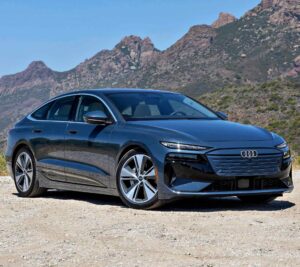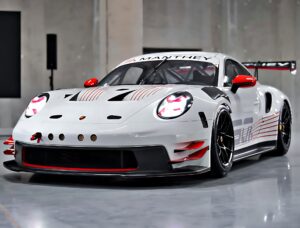
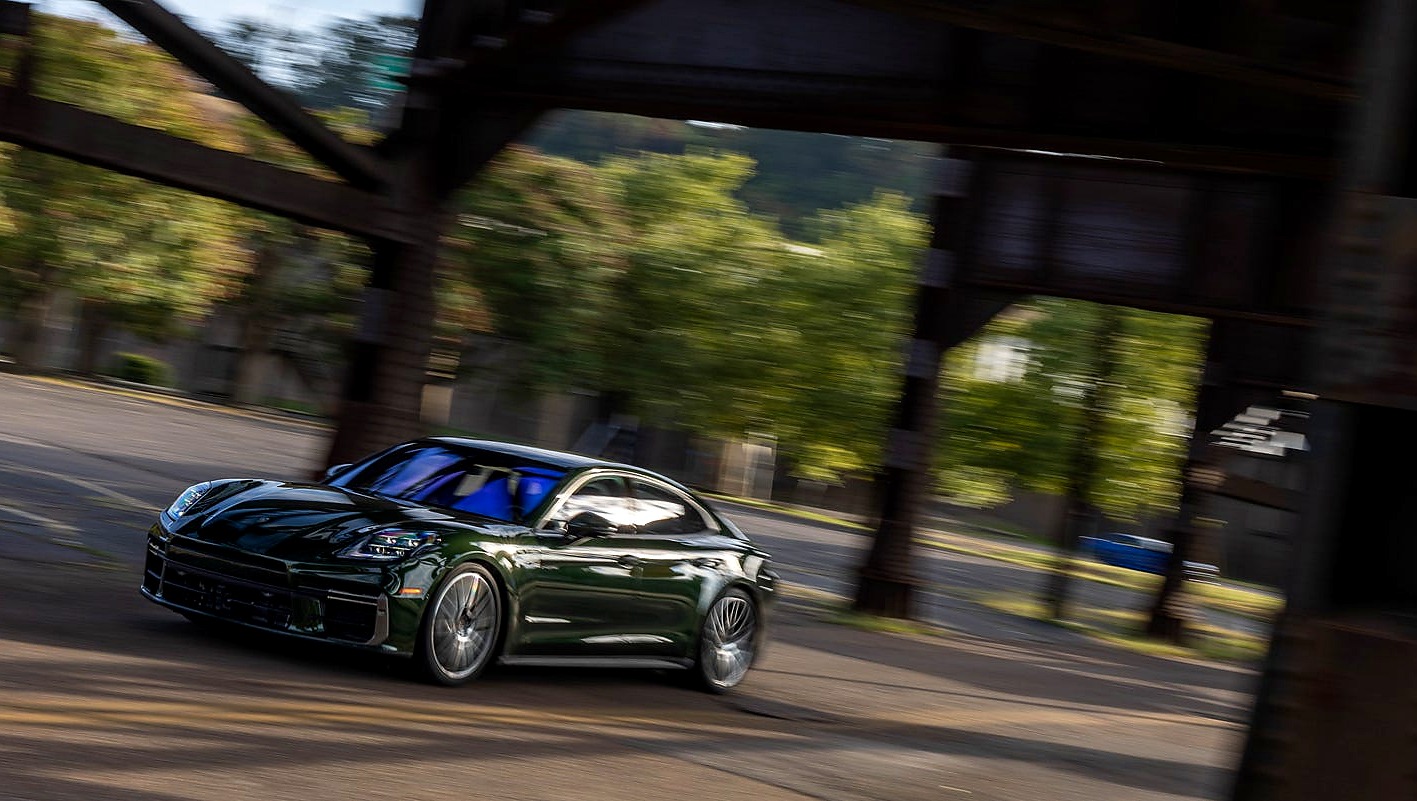
The official debut of the Porsche Audi Platform marks a defining milestone. The Volkswagen Group just dropped a strategic bombshell that reshapes the luxury sedan battlefield. According to Automotive News, citing German publication Heilbronner Stimme, the next-generation Audi A8 and Porsche Panamera will share a common platform—and here’s the kicker: production happens at Porsche’s Leipzig factory, not Audi’s traditional manufacturing strongholds. This isn’t mere cost-cutting theater. It’s a calculated gamble that signals how desperately VW Group is consolidating its luxury portfolio amid the EV transition.
Platform Economics Meet Boardroom Reality
The Porsche Audi Platform strategy mirrors the existing Porsche Taycan–Audi E-Tron GT partnership, proving VW Group’s willingness to blur brand boundaries when spreadsheets demand it. However, this move carries real consequences. Audi’s traditional manufacturing footprint faces uncertainty as flagship sedan production migrates to Porsche’s Leipzig operation. Furthermore, the timeline is brutal: the current A8 exits production sometime in 2025, leaving a three-year drought before the next-generation model arrives in 2030.
The A8’s Exile: Q9 SUV Fills The Gap
Audi isn’t leaving customers stranded. Therefore, the brand plans to redirect flagship-seekers toward its new Q9 SUV during the sedan’s absence. Yet this strategy reveals a troubling reality: traditional luxury sedans are becoming afterthoughts in VW Group’s portfolio. The Porsche Audi Platform won’t launch until 2030 at the earliest, meaning both brands face a critical window where competitors like BMW’s 7-Series and Mercedes-Benz S-Class operate unopposed in the ultra-premium four-door segment.
Why Leipzig? Why Now?
Consolidating production at Porsche’s Leipzig facility reduces redundant tooling, engineering overhead, and supply-chain complexity. In addition, it allows VW Group to maintain distinct brand identities—Audi and Porsche will develop separate styling, interiors, and powertrains—while leveraging shared underpinnings. Consequently, manufacturing costs plummet without sacrificing perceived exclusivity. This is platform-sharing economics at its most ruthless.
The Porsche Audi Platform represents VW Group’s calculated bet that luxury buyers care more about technology, performance, and brand prestige than manufacturing provenance. Whether that gamble pays off depends entirely on execution. Deliver a compelling A8 and Panamera by 2030, and this strategy looks genius. Stumble, and both brands risk ceding the flagship sedan market to more agile competitors. The clock is ticking.

Liam Campbell
Industry Intelligence & News Editor at Auto News Magazine. Tracking prototype spy shots, Nürburgring development mules, automaker corporate moves, and breaking global automotive scoops.
View all articles by Liam Campbell →