
BMW X3 M50: 437 HP Software Tune Signals Broader M Performance Standardization
 Liam Campbell
3 minutes read
Liam Campbell
3 minutes read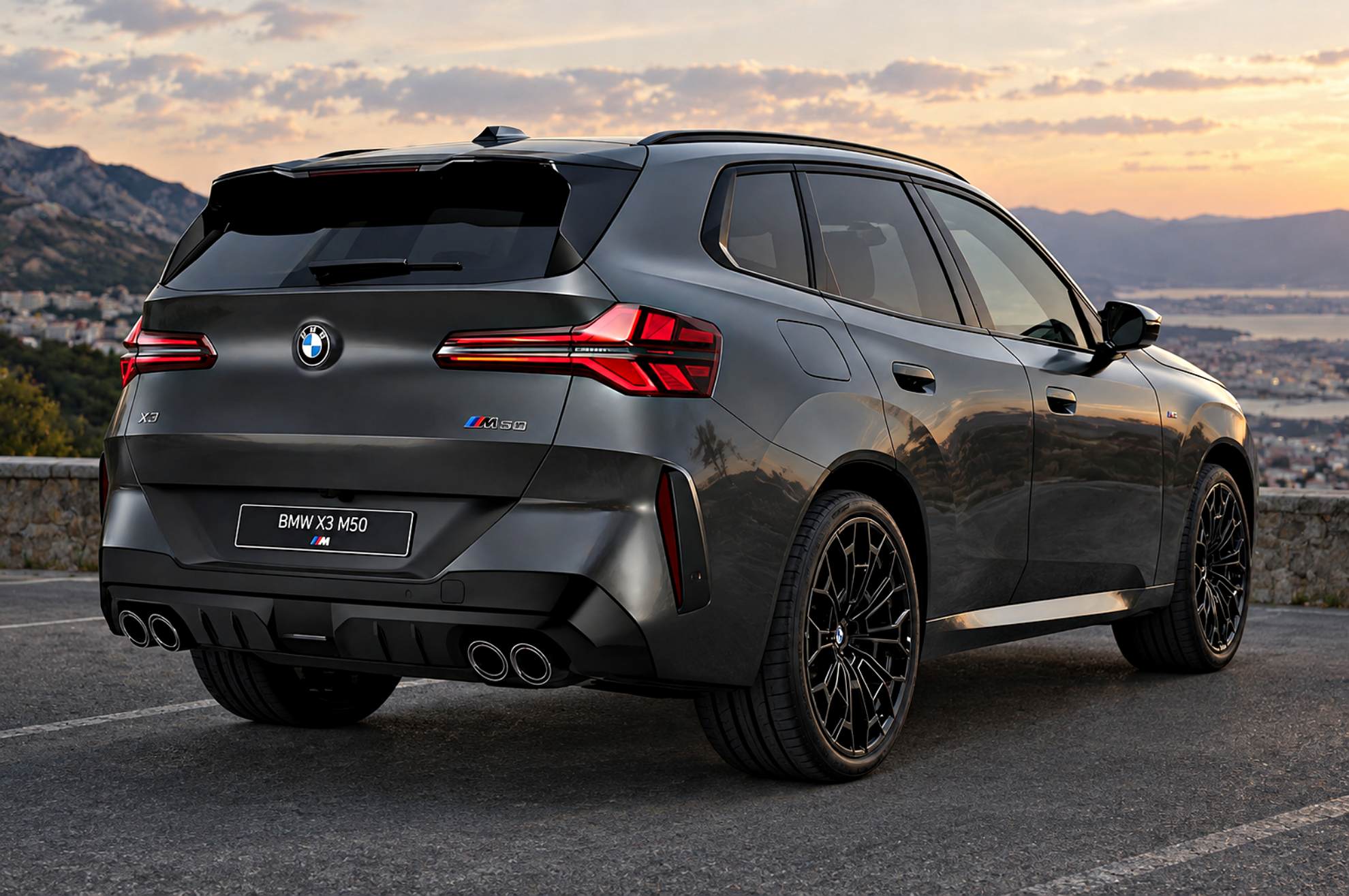
The official debut of the BMW X3 M50 marks a defining milestone. BMW’s autumn product update reveals a calculated power play: the 2027 X3 M50 xDrive now delivers 437 horsepower, a 45 HP jump achieved through engine software recalibration rather than hardware overhaul. This move signals a broader industry trend—automakers are squeezing performance gains from existing powerplants via mapping optimization, sidestepping costly mechanical redesigns. Furthermore, the introduction of the Black Package positions the X3 M50 as a sharper, more visually aggressive competitor in the performance SUV segment.


Software Tuning Over Hardware Redesign
Here’s where the business logic becomes transparent: BMW attributes the entire 45 HP increase to recalibrated engine software, not new internals. The 3.0L turbocharged inline-six paired with 48-volt mild hybrid assistance remains mechanically unchanged. Therefore, this approach minimizes production costs while delivering measurable performance gains—a textbook example of platform economics in action.
However, BMW has conspicuously withheld revised acceleration and top-speed figures. The 437 HP output should theoretically improve 0-60 times and terminal velocity, yet the automaker remains silent on specifics. This omission suggests either marginal real-world gains or a deliberate strategy to avoid cannibalizing higher-tier M models.
Black Package: Cosmetic Aggression Meets Carbon Fiber
The new Black Package transforms the X3 M50’s visual identity. In addition to the standard M Sport Pro equipment, buyers now receive 22-inch Polygon-style M Black wheels, high-gloss black brake calipers, and carbon fiber interior trim. Specifically, the package includes Alcantara upholstery with embossed M logos on the headrests, black door-sill plates, and exclusive rear model lettering.
This cosmetic tier mirrors BMW’s broader strategy across the 2 Series Coupe, 4 Series variants, and 3 Series models. Consequently, the Black Package represents a standardized visual upgrade path for M Performance customers seeking sharper differentiation without mechanical complexity.
Market Positioning and Competitive Timing
The 437 HP alignment with BMW’s recently detailed M350 xDrive suggests platform standardization across the performance lineup. Moreover, this timing—December 2026 rollout—positions the refreshed X3 M50 against entrenched rivals like the BMW Mercedes-AMG GLC 63 and Porsche Cayenne Turbo. The software-only power bump keeps the X3 M50 competitive without triggering expensive retooling.
According to WLTP testing, the updated engine achieves 8.8 liters per 100 kilometers (approximately 27 miles per gallon) with 199 grams per kilometer of CO2 emissions. Notably, BMW assigns a CO2 class G rating but does not yet link these figures to Euro 7 certification—a regulatory headwind that may force further optimization before 2027 arrives.
The Verdict: Smart Engineering, Cautious Execution
BMW’s approach is pragmatic: extract performance gains through software without capital expenditure. The Black Package adds visual drama for customers seeking differentiation. However, the absence of revised acceleration metrics and the delayed Euro 7 certification clarity suggest BMW is playing it safe—maximizing profit margins while avoiding regulatory surprises.
Ultimately, the 2027 X3 M50 xDrive represents incremental refinement rather than revolutionary change. For enthusiasts, the 45 HP bump and carbon fiber trim justify the refresh. For BMW’s balance sheet, software tuning delivers returns without risk.
Liam Campbell
Industry Intelligence & News Editor at Auto News Magazine. Tracking prototype spy shots, Nürburgring development mules, automaker corporate moves, and breaking global automotive scoops.
View all articles by Liam Campbell →