Pininfarina Honda NSX: The Manual Restomod That Shames Modern Supercars
 Liam Campbell
3 minutes read
Liam Campbell
3 minutes read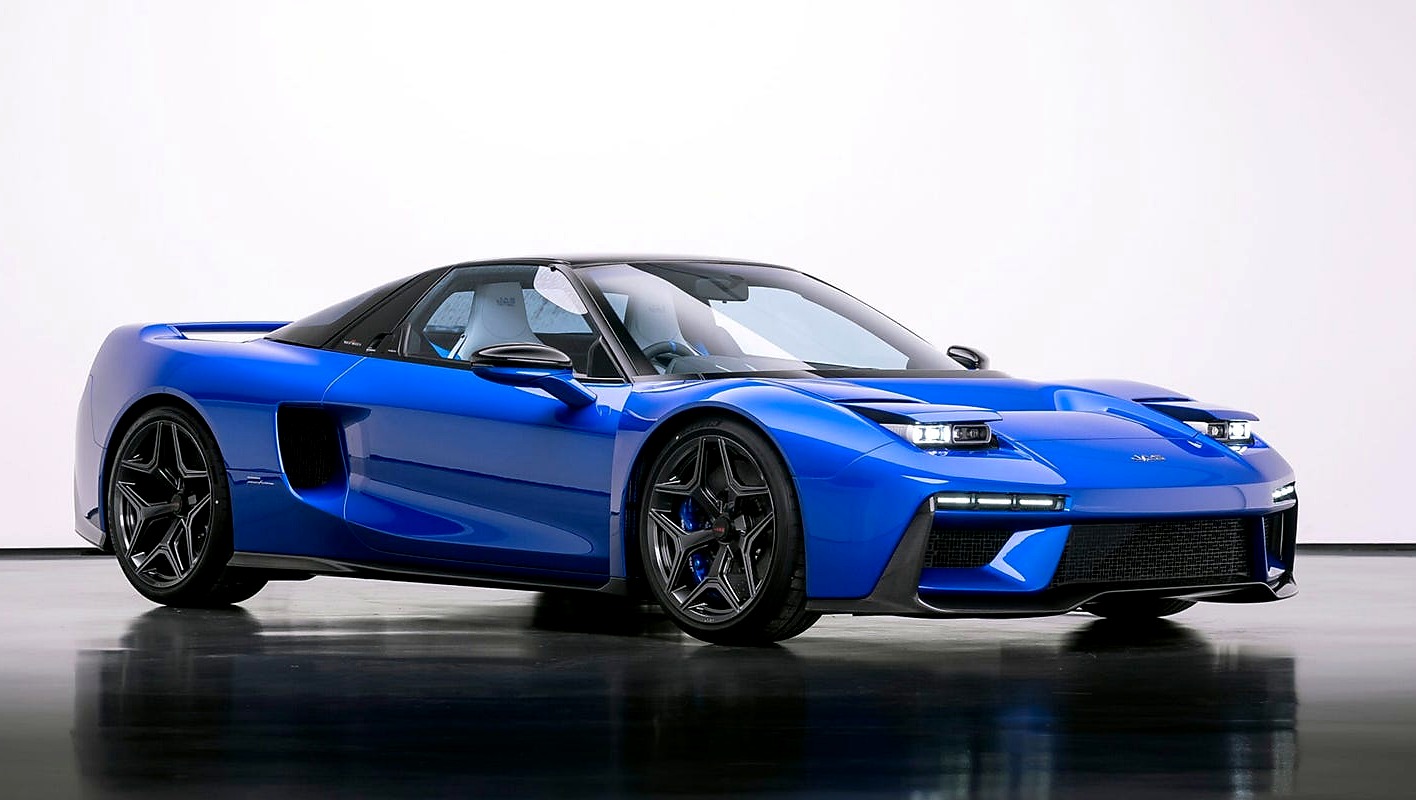
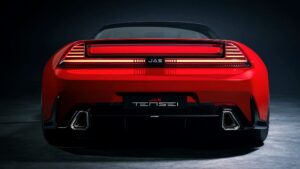
The Pininfarina Honda NSX Tensei has arrived, and it’s a defiant middle finger to the automotive industry’s obsession with electrification, touchscreens, and automatic transmissions. After nearly a year of tantalizing teases, the full reveal confirms what enthusiasts suspected: this is the restomod that matters. Built through a collaboration between Pininfarina, JAS Motorsport, and Honda, the Tensei (Japanese for “rebirth”) transforms the original 1990 NSX into something far more aggressive, far more exclusive, and infinitely more rebellious.


The Engine That Refuses to Die
Here’s where the Pininfarina Honda NSX separates itself from the restomod noise. Rather than bolting in a modern turbocharged engine, JAS Motorsport and JUDD Power took the original C30A V6 block and reimagined it for the modern era. Therefore, displacement climbs from 3.0 to 3.5 liters, while individual throttle bodies, a dry-sump lubrication system, and an Inconel exhaust extract 425 horsepower at 8,500 RPM. This is naturally aspirated theater—the kind of mechanical honesty that makes modern supercars sound like vacuum cleaners.
Furthermore, the transmission is a six-speed manual with a mechanical Torsen limited-slip differential. No paddle shifters. No software-managed gear selection. Just pure, unadulterated driver engagement. In fact, this single decision positions the Tensei as a philosophical statement against the automotive establishment’s relentless march toward autonomous mediocrity.
| ⚙️Engine / Powertrain | 3.5L Naturally Aspirated V6 (JUDD Power) |
| 🐎Power Output | 425 HP @ 8,500 RPM |
| ⚡Peak Torque | TBD (est. 310 lb-ft) |
| ⏱️0-60 mph (0-100 km/h) | 0-60 mph in ~3.8s (est.) |
| 🚀Top Speed | 165+ mph (est.) |
| 🔄Drivetrain / Gearbox | Six-Speed Manual / RWD / Torsen LSD |
| 💰Starting Price / Est. | TBD (Estimated $500,000+) |
Italian Styling Meets Japanese Heritage
Pininfarina’s design language honors the original NSX’s iconic silhouette while injecting aggressive modern proportions. Consequently, the Tensei retains pop-up headlights (now LED), but adds a wider stance, longer wheelbase, and carbon-fiber bodywork that replaces the original aluminum panels. As a result, dry weight plummets to just 2,756 pounds—a figure that makes modern sports cars look obese by comparison.
Inside, the driver-focused layout remains sacred. However, Pininfarina has layered in carbon fiber, leather, Alcantara, and titanium. Notably, there’s an analog tachometer, a beautifully exposed manual shifter, and—mercifully—no enormous touchscreen dominating the dashboard. This is how a supercar cabin should feel: purposeful, tactile, and utterly devoid of digital theater.
The Exclusivity Equation
Only 35 examples will be built, each fully customized for its owner at JAS Motorsport’s facility near Milan. Pricing remains unannounced, but don’t expect bargain-basement figures. Specifically, expect $500,000 or more for this level of bespoke engineering and Italian design. Moreover, each unit represents a statement: that in 2024, a lightweight, naturally aspirated, manual sports car is the ultimate luxury.
The original NSX proved that supercars didn’t require complexity to deliver exotic performance. Now, more than three decades later, the Pininfarina Honda NSX Tensei takes that winning formula and pushes it toward pure exclusivity. In a world drowning in electric SUVs and autonomous promises, this restomod is a defiant celebration of what cars used to be—and what they should remain.
Liam Campbell
Industry Intelligence & News Editor at Auto News Magazine. Tracking prototype spy shots, Nürburgring development mules, automaker corporate moves, and breaking global automotive scoops.
View all articles by Liam Campbell →