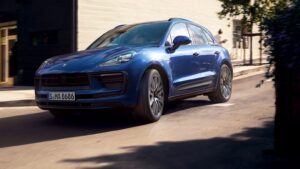
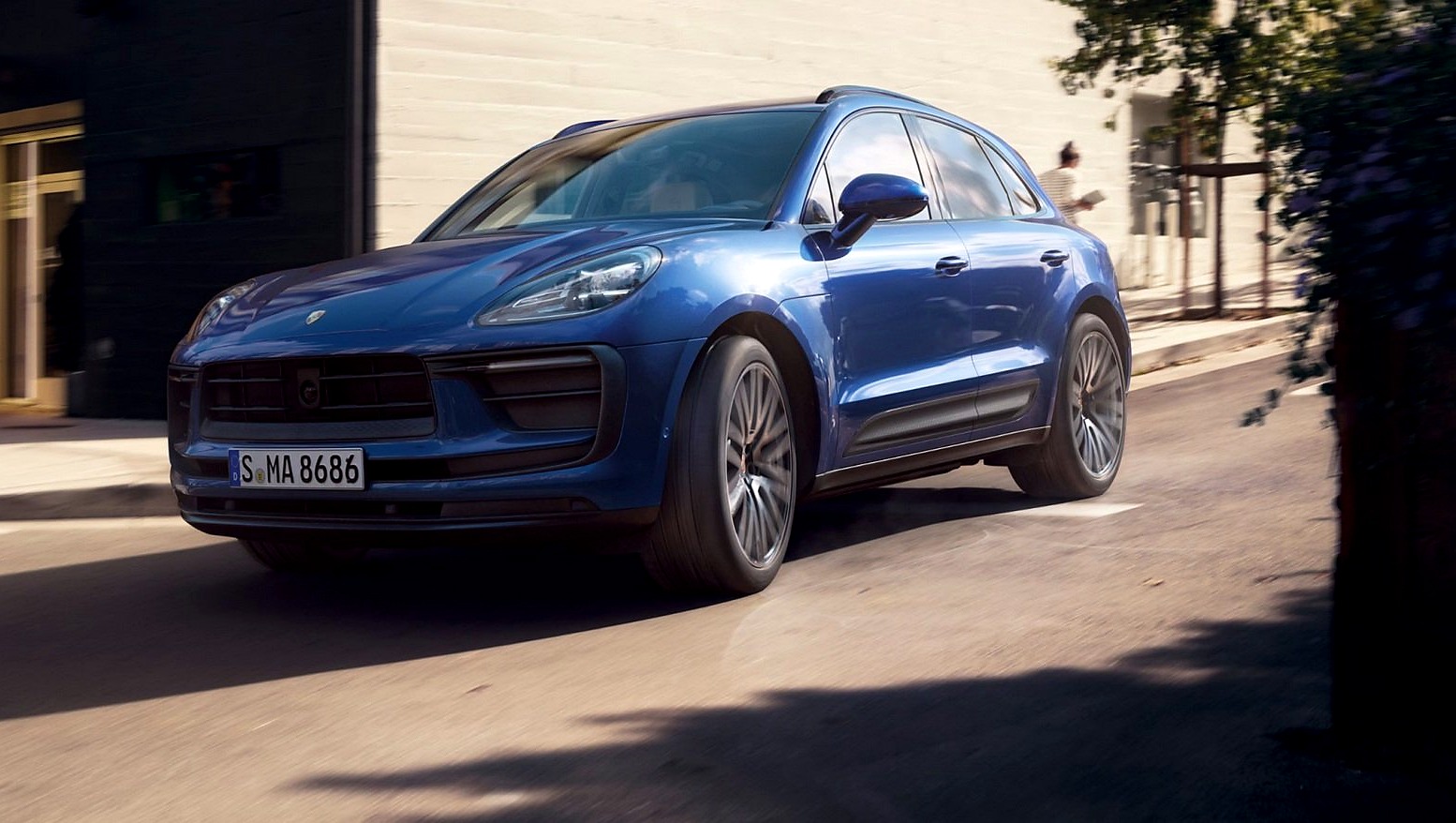
Porsche has just delivered a seismic statement to the automotive industry: combustion engines aren’t dead. CEO Michael Leiters has officially confirmed that the Porsche Macan 2028 will resurrect petrol power, arriving alongside the existing electric variant rather than replacing it outright. This isn’t capitulation to EV skeptics—it’s calculated pragmatism from Stuttgart’s finest.


The Dual-Powertrain Masterstroke
Furthermore, this strategy represents a refreshingly honest acknowledgment of market reality. Rather than forcing an ideological EV-only narrative, Porsche recognizes that genuine customer choice matters more than virtue-signaling electrification timelines. The Porsche Macan 2028 petrol variant will coexist peacefully with its electric sibling, each targeting distinct buyer demographics without cannibalizing sales.
Leiters emphasized that this approach prevents wasteful parallel investments in competing powertrains. Therefore, Porsche avoids the financial hemorrhaging that plagues manufacturers attempting to develop and market two fundamentally different technologies within the same segment simultaneously. It’s elegant engineering logic applied to corporate strategy.
| ⚙️Engine / Powertrain | 3.0L Twin-Turbo V6 (est.) |
| 🐎Power Output | 440 HP (est.) |
| ⚡Peak Torque | 457 lb-ft (est.) |
| ⏱️0-60 mph (0-100 km/h) | 0-60 mph in 5.2s (est.) |
| 🚀Top Speed | 155 mph (est.) |
| 🔄Drivetrain / Gearbox | 8-Speed Dual-Clutch / AWD |
| 💰Starting Price / Est. | $72,000 – $82,000 (est.) |
Engineering the Return: Expected Specifications
Specifications remain officially unconfirmed, yet expect a 3.0L Twin-Turbo V6 derivative of Porsche’s proven architecture. In addition, this engine should deliver approximately 440 horsepower and 457 lb-ft of torque—enough to achieve 0-60 mph in roughly 5.2 seconds with an 8-speed dual-clutch transmission and standard AWD. The estimated price range sits between $72,000 and $82,000, positioning it competitively against the Porsche electric variant.
Consequently, buyers will experience the mechanical engagement and low-end torque delivery that petrol engines inherently provide. Moreover, the combustion variant promises superior range flexibility and refueling convenience—critical advantages in markets where charging infrastructure remains underdeveloped.
Why Combustion Still Commands Respect
Leiters’ decision signals that Porsche Macan 2028 petrol power reflects broader industry truth: electrification isn’t a universal panacea. Specifically, mid-range luxury crossovers occupy a peculiar market position where customer demand for traditional engines remains robust. Therefore, abandoning combustion entirely would sacrifice substantial revenue and alienate enthusiasts who value mechanical authenticity.
This pragmatic stance contrasts sharply with competitors pursuing aggressive EV-only timelines. As a result, Porsche positions itself as the thinking enthusiast’s choice—offering technology without dogma, choice without compromise. The Porsche Macan 2028 petrol return proves that Stuttgart still understands what drives genuine automotive passion.
Ultimately, expect this dual-powertrain philosophy to influence Porsche’s broader portfolio strategy. The company has signaled that combustion engines retain strategic value, particularly higher up its range. This measured approach respects both market realities and customer preferences—a refreshingly honest position in an industry obsessed with electrification narratives.

Dominic Cross
Luxury & 4x4 Correspondent at Auto News Magazine. Authoritative reviewer of ultra-luxury flagships, bespoke coachbuilding, aftermarket tuning houses, and heavy-duty overland vehicles.
View all articles by Dominic Cross →