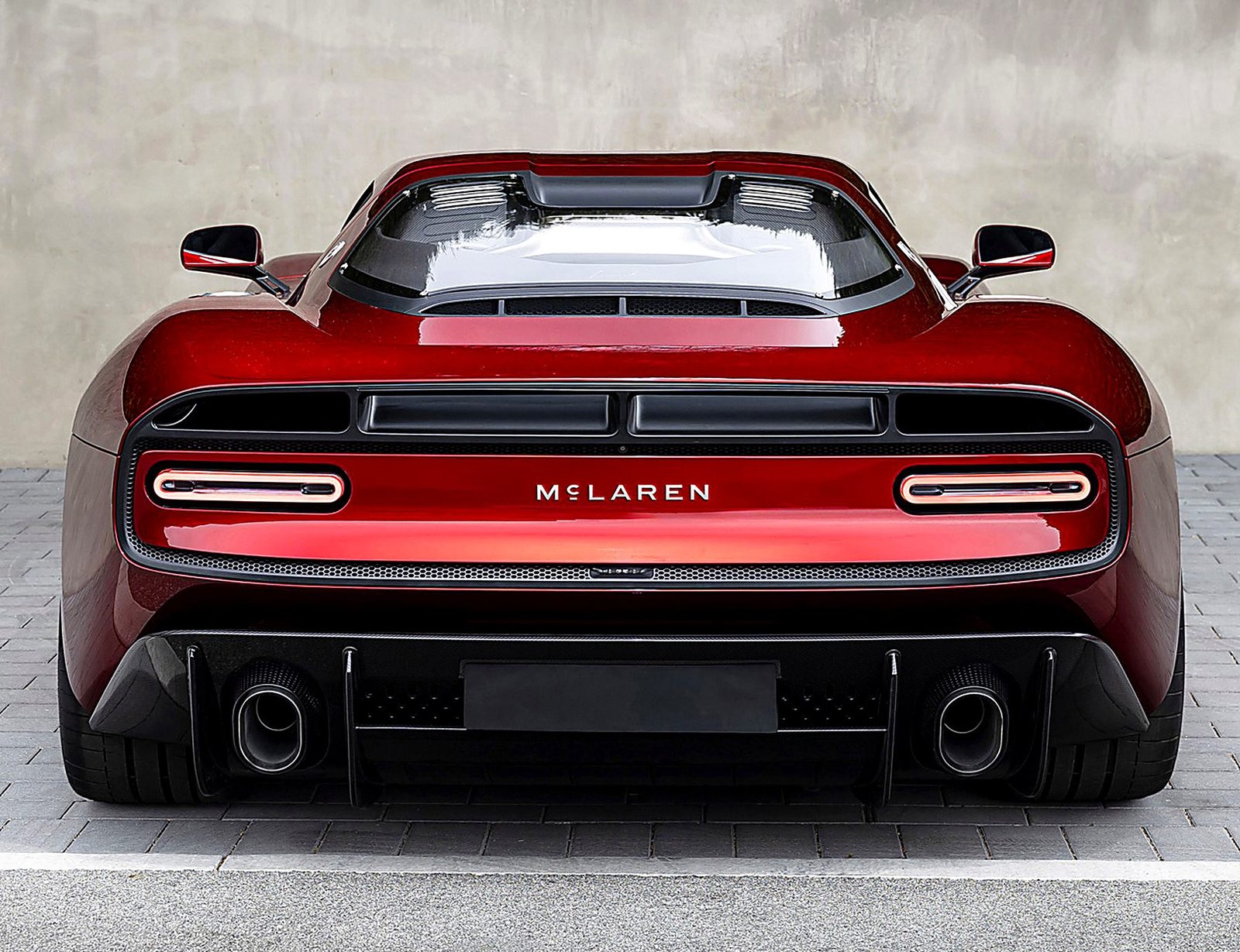
| 🚀 Key Takeaways: • The McLaren Logo Rebrand debuts a minimalist wordmark inspired by Bruce McLaren’s original workshop. • This shift accompanies an expansion into front-engined, multi-row vehicles to diversify the current lineup. • Future models like the McL 6GT will showcase this branding to celebrate the brand’s maverick engineering spirit. |
Precision and heritage define the soul of Woking, yet even the most legendary houses must evolve to survive. McLaren has officially unveiled a new corporate identity, stripping away the clutter to focus on its storied, minimalist origins. This McLaren Logo Rebrand serves as a direct nod to the modest Auckland workshop where Bruce McLaren forged his first victories.
The Strategic Pivot Behind the McLaren Logo Rebrand
Beyond the aesthetic cleanup, this move signals a tectonic shift in the company’s commercial roadmap. Specifically, the brand plans to launch front-engined models and potentially an SUV to capture a broader luxury demographic. Furthermore, these ambitious moves are backed by plans for in-house engine production at a new, dedicated manufacturing facility.
Integrating this branding into the McL 6GT reveals a clear intent to prioritize brand consistency across a diversifying portfolio. While some purists may fear the dilution of the brand’s track-focused DNA, the leadership remains adamant. Consequently, they describe the update as a vital step in acknowledging the foundational spirit that once birthed a championship-winning Austin Seven.
| ⚙️Engine / Powertrain | 4.0L Twin-Turbo V8 |
| 🐎Power Output | 600-800 HP (Estimated) |
| ⚡Peak Torque | 590 lb-ft |
| ⏱️0-60 mph (0-100 km/h) | 0-60 mph in 2.8s |
| 🚀Top Speed | 205 mph |
| 🔄Drivetrain / Gearbox | Rear-Wheel Drive / 8-Speed DCT |
| 💰Starting Price / Est. | $230,000 (starting) |
Refining the Identity: A Look Back
Authenticity remains the primary driver behind this visual evolution, as McLaren looks to reconcile its racing heritage with modern commercial realities. Chief Creative Officer David Woodhouse insists this is not merely a retrospective exercise. Instead, the design language serves as a bridge, grounding the company in its maverick origins while charging toward future-facing mobility solutions.
Ultimately, the challenge lies in maintaining the brand’s razor-sharp reputation while scaling production. Whether this McLaren Logo Rebrand resonates with track-day enthusiasts remains to be seen. However, acknowledging the founder’s legacy is a masterstroke in building long-term collector equity for future machines.
Pricing, Available Trims, and Ownership Value
Entering the next generation of Woking performance requires significant capital, with high-performance coupes frequently starting at a MSRP of $230,000. Meanwhile, prospective owners should expect insurance premiums to reflect the specialized nature of these carbon-fiber chassis. While exact figures for the new McL 6GT remain pending, expect standard models to feature a 4-Year/Unlimited Mile Warranty to offset ownership anxieties. Consequently, those tracking their vehicles should account for heavy maintenance cycles, as the engineering remains tuned for maximum apex-hunting efficiency.
Future Speculation and Market Position
Speculation suggests that these new, more versatile platforms will dramatically increase total volume. However, I predict that limited-edition variants will maintain their status as blue-chip assets due to the brand’s unwavering focus on light weight and mechanical purity. Therefore, investing in the current transitional era of the company likely secures a piece of history that bridges the gap between analog purity and modern, accessible performance.

Marcus Vance
Senior Track & Performance Editor at Auto News Magazine. Veteran automotive journalist specializing in chassis dynamics, apex telemetry, track-day specials, and high-revving mechanical purity.
View all articles by Marcus Vance →