| 🚀 Key Takeaways: • The upcoming Maserati EV lineup is reportedly pivoting to a manufacturing partnership with JAC Motors and Huawei. • Expected powertrain tech includes HarmonyOS Intelligent Mobility and advanced Qiankun ADS driver assistance. • Production will occur at the Zunjie Super Factory in Hefei, utilizing a Semi Knocked Down (SKD) assembly model for final Italian finishing. |
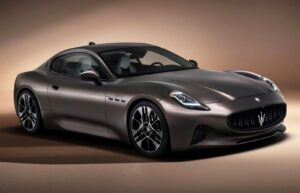
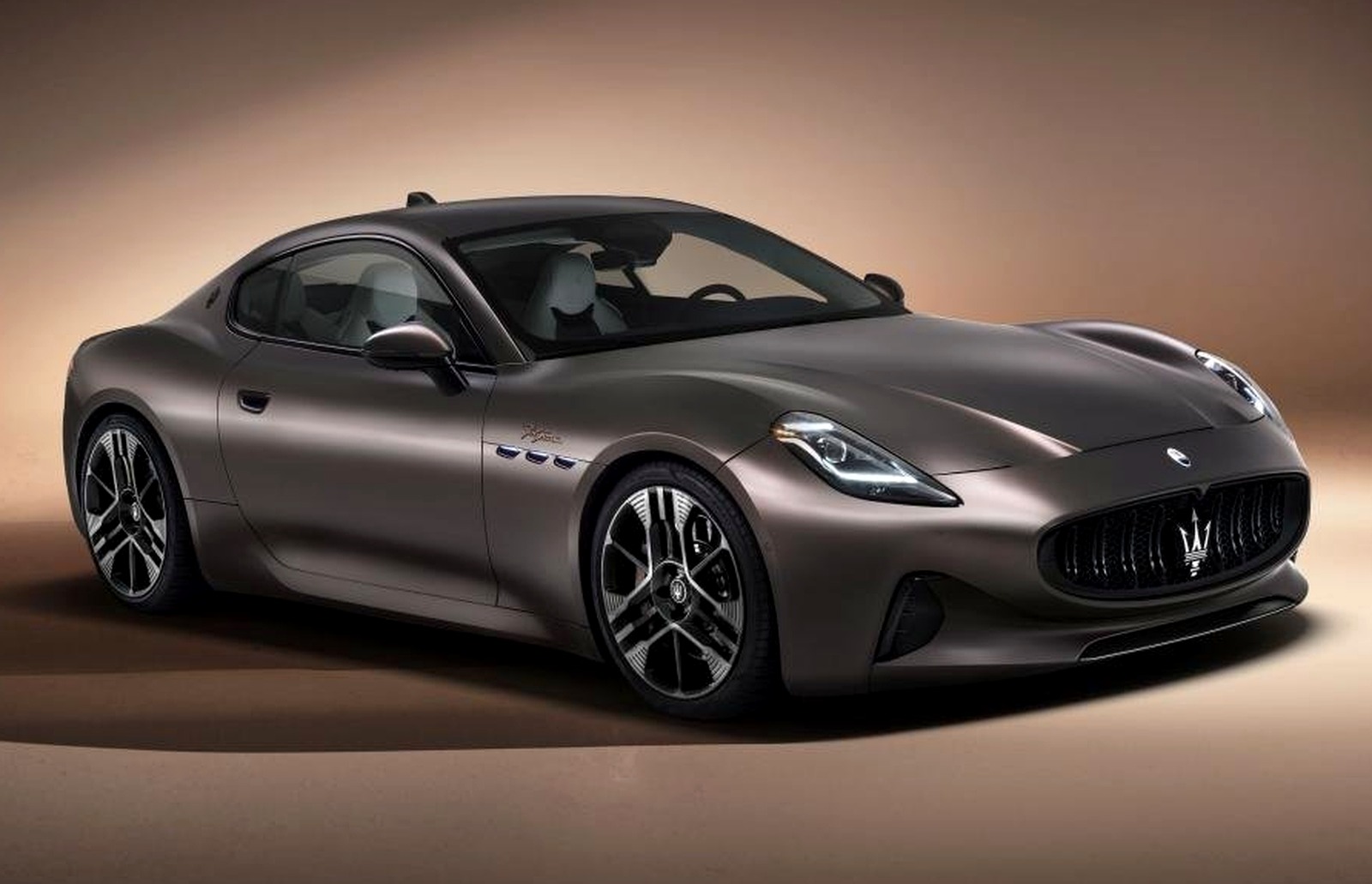
The Italian automotive icon is currently facing a reckoning regarding its electrification strategy. Specifically, a potential Maserati EV project could soon shift from traditional Modena manufacturing to a high-tech collaboration with JAC Motors and Huawei.


Maserati EV: A Technological Paradigm Shift
Engineering a luxury performance vehicle requires more than just heritage; it demands software excellence. Consequently, Maserati appears to be courting Huawei to integrate their sophisticated HarmonyOS Intelligent Mobility platform into the next generation of Italian grand tourers. By leveraging Qiankun ADS, the firm aims to bypass years of internal software development delays that currently plague many legacy luxury brands.
Furthermore, the manufacturing blueprint involves the Zunjie Super Factory, a facility renowned for rapid iteration and high-density automation. Although purists may scoff at the notion of a Maserati EV with Chinese structural roots, the logic remains sound from a thermodynamic and computational efficiency standpoint. As documented by Maserati, the goal is to maintain the soul of the brand while hyper-charging its digital architecture.
| ⚙️Engine / Powertrain | Dual-Motor Electric AWD |
| 🐎Power Output | 650+ HP (est.) |
| ⚡Peak Torque | 800 Nm (est.) |
| ⏱️0-60 mph (0-100 km/h) | 0-60 mph in 2.9s |
| 🚀Top Speed | 165 mph (est.) |
| 🔄Drivetrain / Gearbox | Advanced AWD with Torque Vectoring |
| 💰Starting Price / Est. | $135,000 (est.) |
Vs. The German Competition
Compared to the Porsche Taycan Turbo S, which utilizes an 800V architecture for rapid thermal management, the upcoming Maserati EV must deliver superior UX integration. While the Audi RS e-tron GT relies on established VW Group modular platforms, the Maserati approach promises a unique, software-first user experience. Ultimately, the success of this collaboration hinges on whether the brand can blend Italian design flair with Huawei’s computational horsepower.
Pricing, Available Trims, and Ownership Value
Predicting the market entry for such a vehicle requires an understanding of the current luxury landscape. Specifically, analysts expect a Starting MSRP: $135,000 for the base model, positioning it against high-end battery-electric flagships. Moreover, the Est. Monthly Lease: $1,650/mo reflects the premium nature of the marque. In terms of protection, owners will likely benefit from a Warranty: 4-Year/50,000-Mile comprehensive plan. Finally, insurance premiums for such a high-performance Maserati EV will remain high, given the complexity of the integrated sensors and silicon-carbide inverters required for peak charging performance.
Predicting the future value of these cars is a hazardous game for any collector. However, if the Maserati EV maintains its design language while offering class-leading autonomous capabilities, it could become a distinct outlier in the segment. Will it hold value like an internal combustion GranTurismo? That remains to be seen. Specifically, the market will determine if this transcontinental partnership represents a genius innovation or a dilution of the trident’s historic brand equity.

Julian Hayes
Future Mobility & Technology Editor at Auto News Magazine. Covering the next frontier of electric powertrains, 800V architectures, solid-state battery chemistry, and autonomous vehicle platforms.
View all articles by Julian Hayes →