Paris Motor Show 2026 Debuts: The High-Stakes Shakeup Reshaping the Industry
 Liam Campbell
3 minutes read
Liam Campbell
3 minutes read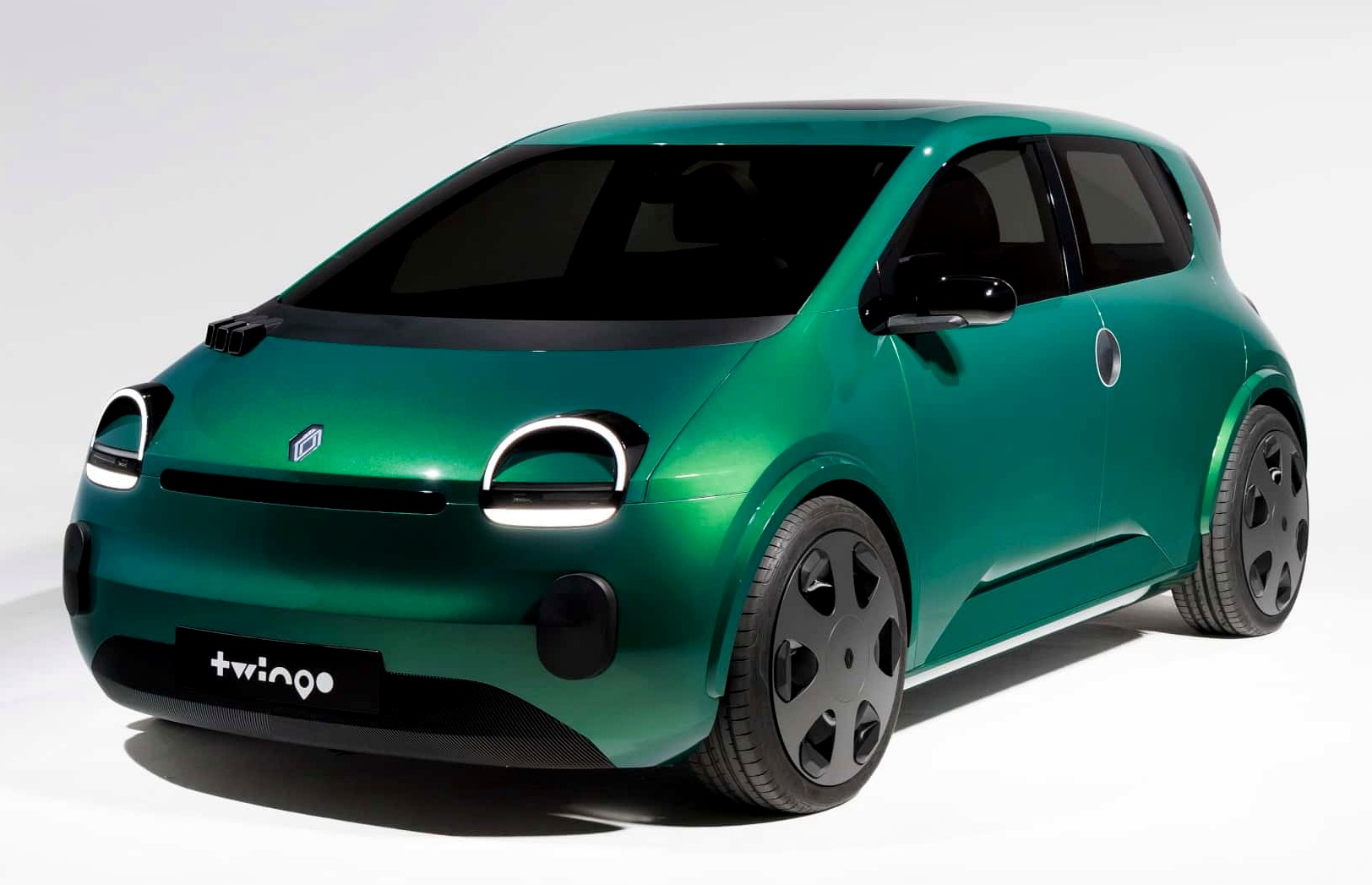
| 🚀 Key Takeaways: • The Paris Motor Show 2026 Debuts signal a massive pivot toward all-electric compact platforms and high-performance hybrid supercars. • Emerging players like Denza are challenging European titans with the 1,588bhp Z supercar, signaling a new power-density arms race. • Legacy brands like Citroen are betting on the revival of the 2CV with an aggressive sub-15,000 euro price point. |
The biennial Paris Motor Show 2026 Debuts have arrived, transforming the French capital into a high-octane chessboard of industrial ambition. Navigating these aisles, it is clear that the industry is no longer merely transitioning; it is aggressively fighting for survival through radical platform innovation.
Paris Motor Show 2026 Debuts: The Industry’s New Benchmark
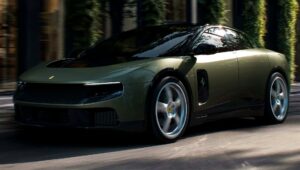
Stepping into hall six, one immediately senses the tectonic shift in manufacturing priorities. Specifically, the emergence of the Denza Z9 GT and the wild 1,588bhp Z supercar forces established marques to rethink their performance margins. Consequently, the Paris Motor Show 2026 Debuts serve as a sobering reminder that European engineering no longer has a monopoly on blistering acceleration or advanced tri-motor drivetrain sophistication.
Furthermore, the democratization of electric mobility is hitting a fever pitch. Brands like Citroen are leveraging historical nostalgia, resurrecting the iconic 2CV as a mass-market, all-electric urban commuter. Ideally, this strategy addresses the desperate need for affordable sub-15,000 euro transport in an era of tightening emissions regulations.
| ⚙️Engine / Powertrain | Electric/Hybrid Tri-Motor |
| 🐎Power Output | 1,588 bhp (Denza Z) |
| ⚡Peak Torque | Not specified |
| ⏱️0-60 mph (0-100 km/h) | 0-60 mph < 2.5s |
| 🚀Top Speed | 200+ mph (Projected) |
| 🔄Drivetrain / Gearbox | AWD |
| 💰Starting Price / Est. | €15,000 – £52,000 |
Pricing, Available Trims, and Ownership Value
Evaluating the business case for these new entries reveals a fascinating spread of market positioning. For instance, the Skoda Peaq enters the fray as the brand’s most expensive flagship, with a Starting MSRP of £52,000. Meanwhile, the Citroen 2CV seeks to capture the volume market with an entry point below 15,000 euros. According to Citroen, this pricing is designed to keep ownership costs low while offering a 4-Year/60,000-Mile Warranty for early adopters. Insurance premiums remain volatile for these high-tech EVs, though many manufacturers are now bundling comprehensive charging credits to incentivize the switch.
Competitor Analysis: A Clash of Philosophies
The rivalry between the Denza Z9 GT and the established Porsche Taycan has reached a boiling point. Whereas Porsche relies on decades of chassis tuning mastery, Denza is betting on pure modular platform economics to deliver superior horsepower-to-dollar ratios. Conversely, the Dacia Striker poses a significant threat to the Volkswagen Golf, leveraging a stripped-back, high-utility strategy that prioritizes value over premium interior plastics. Ultimately, these Paris Motor Show 2026 Debuts prove that market share is no longer guaranteed by brand prestige alone.
Future Speculation: The Collector Status
Predicting the long-term value of these vehicles requires looking past the launch hype. Specifically, the Denza Z supercar feels destined for collector status due to its extreme 1,588bhp tri-motor configuration. In contrast, mass-produced EVs will likely depreciate sharply as battery chemistry advances. As analyzed in Auto News Magazine, the true winners will be the brands that master software-defined architecture while maintaining the tactile feedback enthusiasts demand. Expect the market to reward those who balance high-voltage performance with timeless design language.
Conclusion
In conclusion, the Paris Motor Show 2026 Debuts demonstrate that the global automotive landscape is fracturing into distinct silos of hyper-performance and ultra-affordable utility. Automakers must innovate or face irrelevance in this fast-paced transition. Ultimately, those who adapt to these modular platform economics will lead the industry into the next decade of mobility.
Liam Campbell
Industry Intelligence & News Editor at Auto News Magazine. Tracking prototype spy shots, Nürburgring development mules, automaker corporate moves, and breaking global automotive scoops.
View all articles by Liam Campbell →