| 🚀 Key Takeaways: • The upcoming Hyundai Bayon moves toward a bolder, boxier design language to capture the B-SUV market. • Power will likely come from an evolved 1.0-liter turbo engine or a new 1.2-liter mild-hybrid system. • Featuring dual 12.3-inch displays, the cabin prioritizes connectivity while retaining critical physical rotary dials. |
Hyundai is aggressively sharpening its product cadence, and the incoming generation of the Hyundai Bayon signals a definitive shift toward the high-growth subcompact crossover segment. While the outgoing model played it safe, this iteration aims to dominate the crowded European and Indian urban landscapes.
Hyundai Bayon: Redefining Segment Positioning
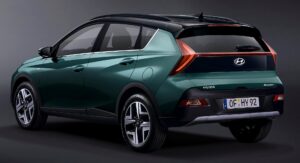
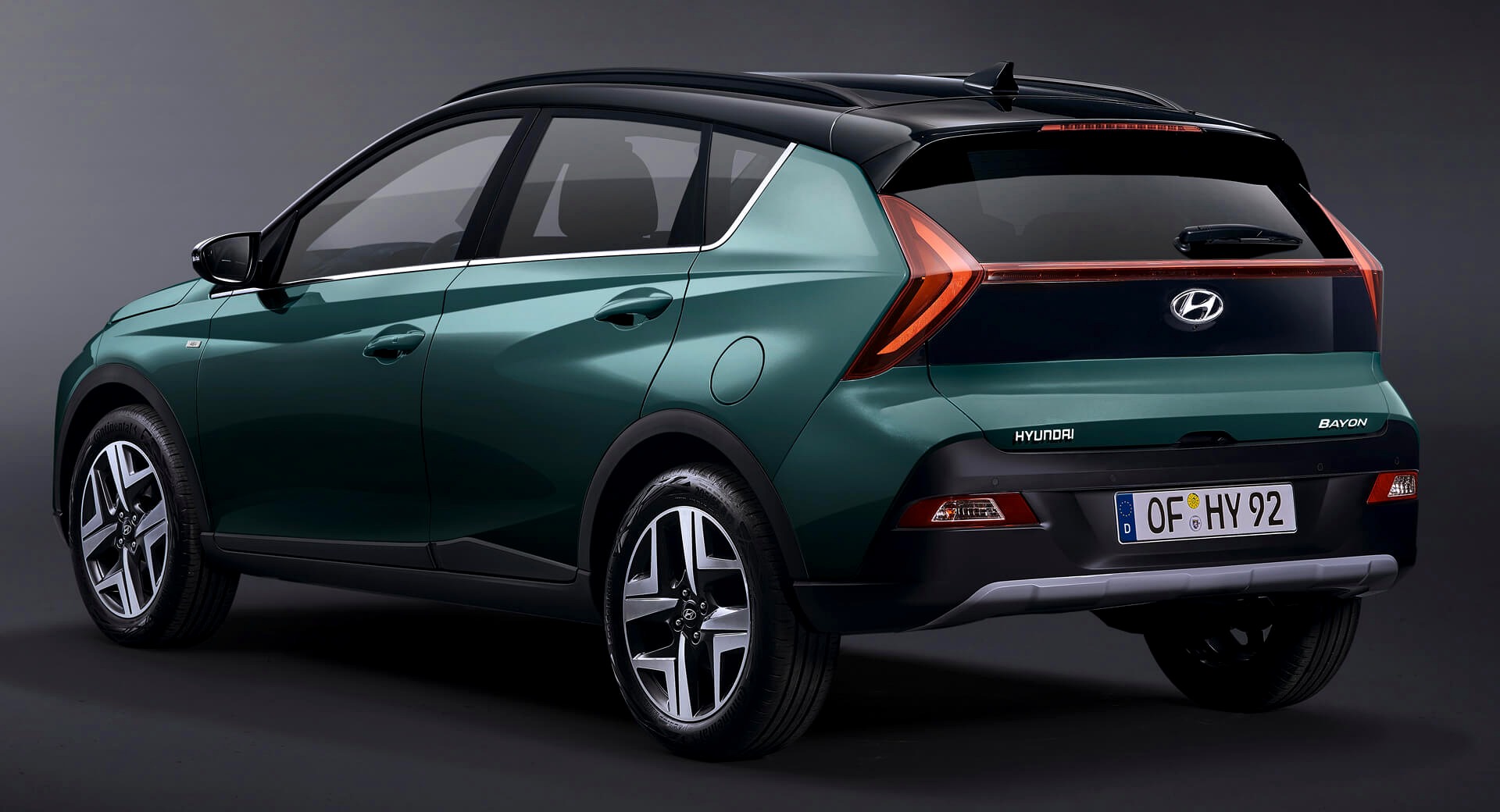
Positioned strategically to bridge the gap between the Inster and the Kona, the new Hyundai Bayon leverages the manufacturer’s “Art of Steel” philosophy. By adopting a boxier, more aggressive silhouette, the brand clearly intends to distance this vehicle from its pedestrian i20 hatchback origins.
In addition to the visual overhaul, the vehicle integrates split LED headlights and sculpted fenders to project a rugged persona. Consequently, it appeals to consumers who crave the look of an adventure vehicle even if they rarely venture beyond the city limits. According to Hyundai, design remains the primary driver for segment conversion.
| ⚙️Engine / Powertrain | 1.0L Turbo / 1.2L Mild-Hybrid |
| 🐎Power Output | 100 – 120 hp |
| ⚡Peak Torque | 172 Nm (127 lb-ft) |
| ⏱️0-60 mph (0-100 km/h) | 0-60 mph in 10.4s |
| 🚀Top Speed | 115 mph (185 km/h) |
| 🔄Drivetrain / Gearbox | FWD / 7-Speed Dual-Clutch or Manual |
| 💰Starting Price / Est. | $22,500 (est.) |
Inside, the technological leap is evident through a digital cockpit shared with the refreshed i20 range. Furthermore, the inclusion of dual 12.3-inch displays ensures it keeps pace with the modern digital arms race. Fortunately, ergonomics are not sacrificed, as the automaker has retained traditional physical rotary dials for climate and volume control.
Pricing, Available Trims, and Ownership Value
Market analysts expect competitive pricing for the Hyundai Bayon, as it must undercut larger rivals to justify its B-segment status. Starting MSRP: $22,500 (est.) ensures it remains an attractive entry point for young families. Est. Monthly Lease: $320/mo makes this a compelling consideration for urban commuters. Warranty: 5-Year/Unlimited-Mile remains a standout feature in the European market. Fuel Economy: 45 mpg (combined cycle) is projected for the high-efficiency mild-hybrid powertrain options. Ultimately, the ownership experience focuses on long-term reliability and low maintenance overheads.
Competitor Analysis: Challenging the Segment Benchmarks
When evaluated against the Volkswagen T-Cross, the Bayon offers superior standard connectivity and interior screen real estate. However, the Renault Captur often holds a slight edge in terms of perceived material quality and modular rear seating. Therefore, the Bayon must rely on its aggressive design and value proposition to steal market share from these established segment giants.
In terms of future resale value, the transition toward a more muscular, crossover-oriented aesthetic will likely bolster long-term interest. As urban centers continue to favor high-riding hatchbacks, this vehicle is well-positioned for strong residual performance. Moreover, the decision to retain tactile physical controls will likely be viewed as a design win by long-term owners frustrated by touch-sensitive interfaces in competing models. For deeper insights on the brand’s trajectory, visit Auto News Magazine.

Liam Campbell
Industry Intelligence & News Editor at Auto News Magazine. Tracking prototype spy shots, Nürburgring development mules, automaker corporate moves, and breaking global automotive scoops.
View all articles by Liam Campbell →