Polestar Formula 2030 Establishes Athletic Proportions Defining the Brand’s Design Direction Through 2030
 Julian Hayes
2 minutes read
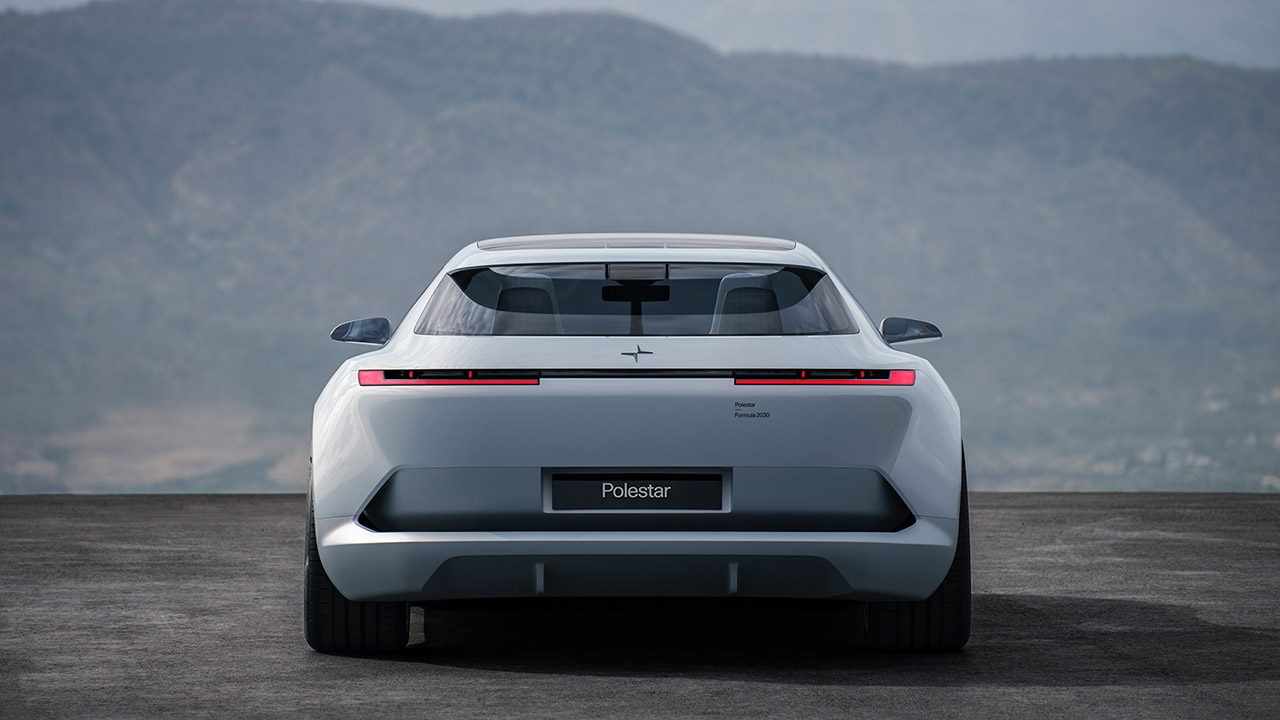
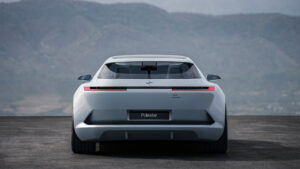
Polestar Formula 2030 is a concept, not a showroom car, yet it may be the clearest map yet of where the brand is heading. Unveiled this week, this compact four-door sports car previews the design language that will shape the rest of the decade.


Polestar Formula 2030 Lowers the Bar
Standing 1,350 millimeters tall, the concept sits lower than the Polestar 5 on a 2,780 millimeter wheelbase. Its long hood and narrow overhangs establish a cab-rearward stance, while a large rear haunch adds visual muscle. Dual blade headlights sit within a front aero wing above a deep splitter. Compared with the sporting Polestar 6 coupé concept, this study pushes its aerodynamic story much further.
Inside, a 20-inch HyperDIM display sits directly on the steering column, keeping information in your direct line of sight. Beneath a 12.2-inch tunnel screen, eight physical controls convert between rocker switches and rotary dials. Steer-by-wire replaces the mechanical column entirely, while Google Gemini handles voice control in the background.
| ⚙️Engine / Powertrain | Not disclosed (concept) |
| 🐎Power Output | Not disclosed (concept) |
| ⚡Peak Torque | Not disclosed (concept) |
| ⏱️0-60 mph (0-100 km/h) | Not disclosed (concept) |
| 🚀Top Speed | Not disclosed (concept) |
| 🔄Drivetrain / Gearbox | Not disclosed (concept) |
| 💰Starting Price / Est. | Not disclosed (concept) |
Adaptive Cockpit Shifts With Driving Mode
Performance mode lowers the screen and draws the wheel closer to the display. Autonomous mode pushes everything outward once the LiDAR unit deploys from behind the bodywork. Four individual seats use inflatable bolsters that mold themselves to each occupant. Still, the seat backs and frames reveal a serious sustainability brief, using a flax and polypropylene grid alongside recycled galvanized steel.
Design Signal, Not a Showroom Car
On paper, Polestar Formula 2030 remains
Julian Hayes
Future Mobility & Technology Editor at Auto News Magazine. Covering the next frontier of electric powertrains, 800V architectures, solid-state battery chemistry, and autonomous vehicle platforms.
View all articles by Julian Hayes →