| 🚀 Key Takeaways: • The 91st Mondial de L’Auto runs October 12-18, 2026 in Paris. • 50+ global brands confirmed, with 9 Chinese EV makers reshaping the competitive landscape. • Denza Z supercar delivers 1,588 horsepower from tri-motor electric setup, targeting Porsche and Tesla. • Citroën 2CV EV priced under €15,000 with retro styling and all-electric power. • Aion GS7 PHEV SUV and Alpine A110 electric debut alongside Audi A2 e-tron revival. |
The Paris Motor Show 2026 isn’t just another biennial automotive gathering. It’s a watershed moment—the moment when Europe’s automotive establishment finally confronts the full force of the Chinese EV invasion. Running October 12-18, the 91st Mondial de L’Auto will host over 50 global brands, but the real story isn’t about traditional powerhouses. It’s about disruption, platform economics, and market share warfare at a scale Europe hasn’t witnessed since the Japanese invasion of the 1970s.


The Chinese Offensive Arrives in Force
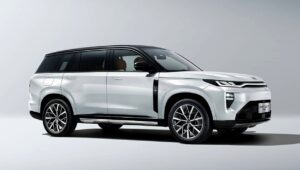
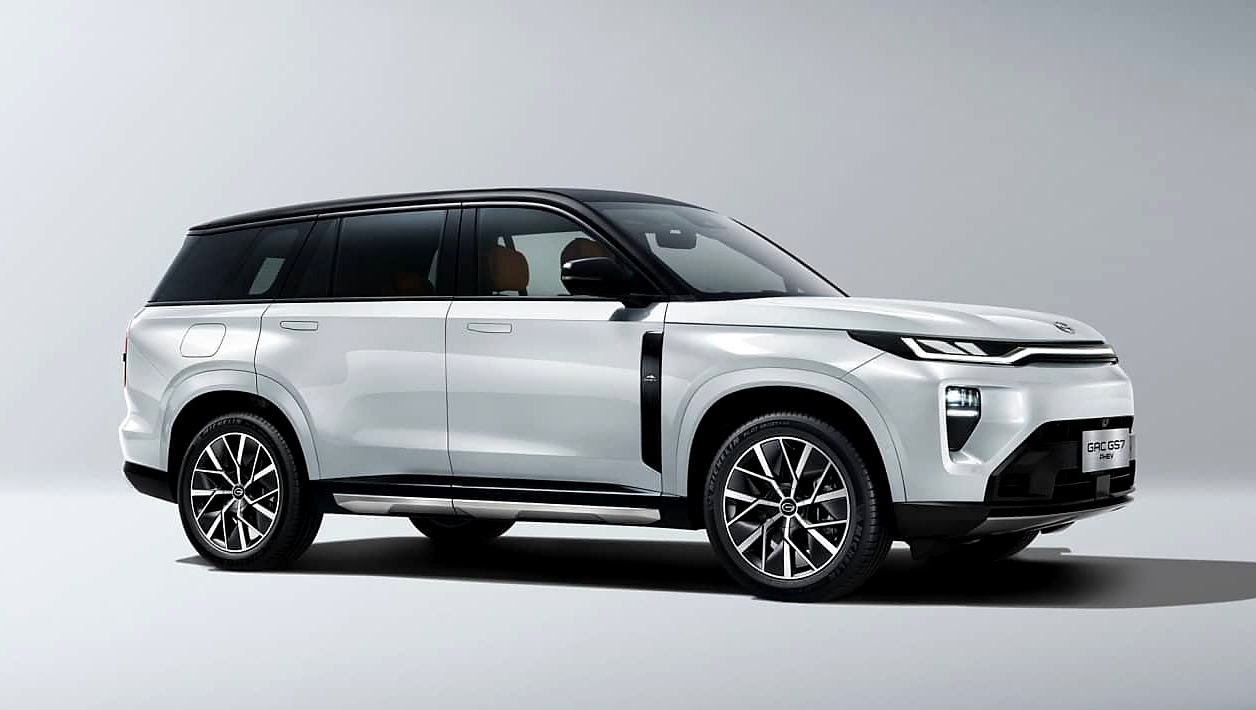
However, this isn’t hyperbole. Aion, BYD, Denza, Changan, Chery, Leapmotor, Geely, Zeekr, and Lynk & Co are all exhibiting. Furthermore, they’re not bringing compliance vehicles or niche offerings—they’re bringing segment-defining models designed to undercut European pricing by 30-40% while matching or exceeding feature density. Specifically, Aion’s GS7 is a plug-in hybrid SUV engineered to challenge the Land Rover Discovery on capability and cost. Meanwhile, Denza’s Z supercar packs 1,588 horsepower from a tri-motor electric architecture, positioning itself as a direct Porsche Taycan and Tesla Roadster rival.
Europe’s Legacy Brands Strike Back
In response, traditional European manufacturers are accelerating electrification and concept reveals. Therefore, Citroën is resurrecting the iconic 2CV as an all-electric hatchback priced under €15,000—a direct assault on mass-market affordability. Additionally, Alpine will unveil the next-generation A110 electric, showcasing Renault’s performance-focused EV strategy after summer testing at Goodwood. Consequently, Audi is reviving the A2 nameplate as an entry-level e-tron EV, leveraging the Volkswagen ID.3 Neo platform to compete in the sub-€30,000 segment.
The Business Case: Platform Consolidation & Margin Wars
What’s critical here isn’t just the vehicles—it’s the underlying economics. Dacia will display 10 models across its portfolio, including the Striker (a C-segment family car rivaling the Volkswagen Golf) and the Spring (an all-electric city car sharing architecture with the Renault Twingo). In fact, this platform-sharing strategy is the real competitive weapon. Chinese manufacturers have achieved modular EV platform economics that allow them to launch multiple body styles—SUV, sedan, hatchback—from a single skateboard. European OEMs are scrambling to match this agility.
Concept Cars & Future Signals
Moreover, concept reveals will signal strategic direction. Alfa Romeo’s Cuorerosso concept promises “the car every Alfista has been waiting for”—a true driver’s machine. Meanwhile, Maserati is launching a new design language with concept vehicles previewing upcoming SUV and sports car models. Ultimately, Paris 2026 represents a pivotal inflection point: the moment when Chinese EV makers prove they can compete not just on price, but on design, performance, and brand desirability in Europe’s most competitive markets.
For more industry intelligence and breaking automotive news, visit Auto News Magazine.

Liam Campbell
Industry Intelligence & News Editor at Auto News Magazine. Tracking prototype spy shots, Nürburgring development mules, automaker corporate moves, and breaking global automotive scoops.
View all articles by Liam Campbell →