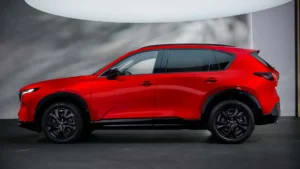
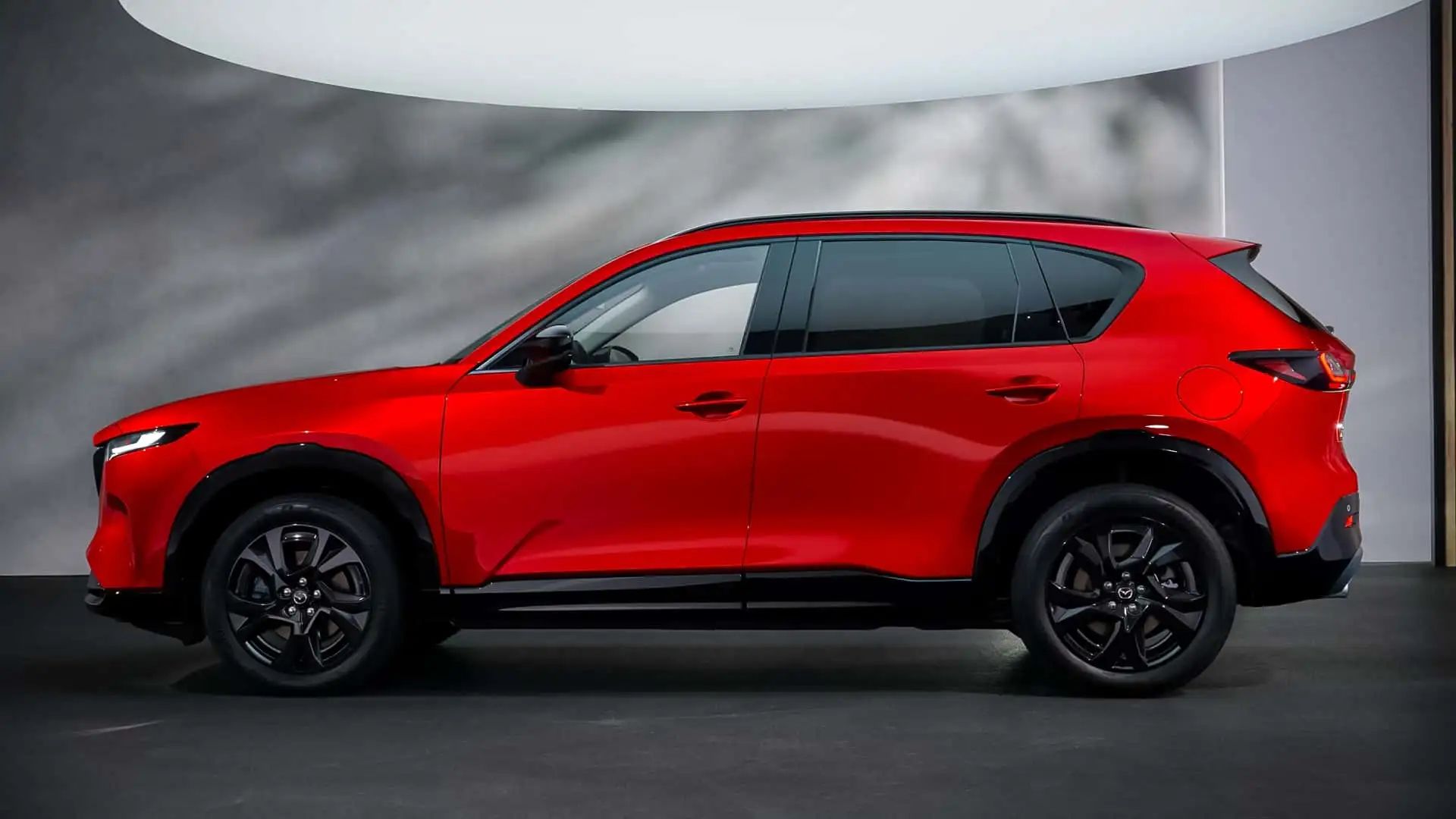
Mazda’s best-selling crossover is losing its crown. The Mazda CX-5 still edges out its rugged sibling in the US, but the margin has nearly evaporated. The culprit is not styling or price. It is hybrid power, and the Toyota-sourced powertrain in the CX-50 is doing the damage.
Mazda CX-5 Loses Ground To Hybrids
Between January and September 2025, the CX-5 sold 105,788 units against 79,628 for the CX-50. Fast-forward a year, and the picture flips. CX-50 sales climbed 19.7% to 95,351, while the CX-5 slid 9.5% to 95,762. US hybrid sales rose 9% in the first half of 2026, driven by fuel prices and better value.
Shoppers are comparing the numbers closely. On paper, the CX-50 Hybrid offers more power and better economy than the base CX-5. Family-focused rivals such as the Volkswagen Tiguan have embraced electrification too, and Mazda has been slower to respond. Meanwhile, the Mazda CX-5 lacks any electrified option at all.
A Hybrid Fix Is Finally Coming
Relief is closer than the sales charts suggest. Mazda is developing its own Skyactiv-Z 2.5-liter inline-four paired with a single electric motor. Given the similar displacement, we expect output and efficiency close to the Toyota unit, though specifics remain under wraps. The company has confirmed the hybrid will start well below the recently departed Turbo model.
Still, the CX-5 faces a second challenge. Buyers have pushed back against touchscreen-heavy cabins, and the CX-50 keeps more physical buttons within easy reach. Mazda must fix both the powertrain and the dashboard to win back its lead. Ultimately, a hybrid CX-5 with a sensible control layout could become the segment benchmark. Expect resale values to firm up quickly if it does. Stay tuned to Auto News Magazine for the official details.

Liam Campbell
Industry Intelligence & News Editor at Auto News Magazine. Tracking prototype spy shots, Nürburgring development mules, automaker corporate moves, and breaking global automotive scoops.
View all articles by Liam Campbell →