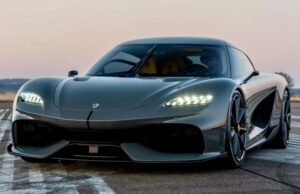

| 🚀 Key Takeaways: • The Ferrari Hypercar introduces a radical patent (USPTO No. 20260242013 A1) utilizing moving taillights. • Kinetic light modules serve as active aero, manipulating boundary layer airflow at speeds above 180 mph. • This innovation allows for independent left/right aero vectoring, pushing lateral Gs beyond current mechanical limits. |
Physics is the ultimate gatekeeper of speed, and Maranello has just picked the lock. While rivals obsess over massive carbon wings that look like picnic tables, the Ferrari Hypercar project is betting on a much more elegant solution. Specifically, recent patent filings reveal that Ferrari is turning its iconic taillights into high-speed aerodynamic control surfaces. It is, quite frankly, the kind of lateral-thinking engineering that makes the blood run cold with excitement.

Ferrari Hypercar: The End of Static Wings?
Engineers often face a compromise between drag and downforce. However, this new system solves that by employing electro-mechanical actuators to extend the lighting modules rearward. Furthermore, this adjustment allows the car to enter a ‘Long-Tail’ mode, significantly delaying airflow separation during high-speed blasts. Consequently, the car achieves superior straight-line efficiency without sacrificing the clean, visceral lines we demand from a prancing horse.
Under heavy braking, the magic truly happens. Immediately, the taillights pivot, acting as an active airbrake to stabilize the rear axle during critical entry phases. Moreover, this is not just about stopping; it is about balance. According to technical documentation from Ferrari, these modules move independently to provide true aero-vectoring through high-speed sweepers. If you have ever experienced the biting front-end grip of a track-focused machine, you understand why this kind of rear-end composure is the holy grail of lap times.
| ⚙️Engine / Powertrain | Hybrid V12/V8 Twin-Turbo |
| 🐎Power Output | 1,000+ HP |
| ⚡Peak Torque | 900 Nm (664 lb-ft) |
| ⏱️0-60 mph (0-100 km/h) | 0-60 mph in 2.1s |
| 🚀Top Speed | 220+ mph |
| 🔄Drivetrain / Gearbox | 8-Speed Dual-Clutch / AWD |
| 💰Starting Price / Est. | $3,500,000 (est.) |
Competitor Analysis: Pushing The Limits
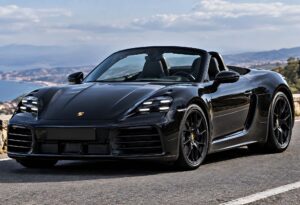
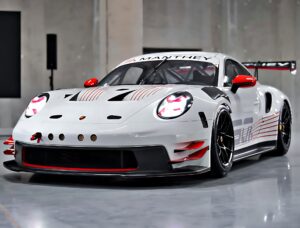
Compared to the Aston Martin Valkyrie, which relies on brutal underbody venturi tunnels, this Ferrari Hypercar approach is far more nuanced. Specifically, the Aston prefers fixed-geometry reliance, whereas Ferrari is moving toward a more dynamic, fluid-state interaction. Meanwhile, the Porsche 911 GT3 RS utilizes a massive, active swan-neck wing to achieve its downforce figures. While Porsche’s setup is brilliant, it creates significant parasitic drag. Ultimately, the Italian solution promises to keep the silhouette sleek while delivering the performance of a much larger wing.
Pricing, Available Trims, and Ownership Value
Predicting the market for such a machine requires looking at recent history. Given the exclusivity, expect a Starting MSRP: $3,500,000+, though market adjustment could easily double that figure. Furthermore, there are no ‘trims’ in the traditional sense; this is a bespoke, limited-run masterpiece. Maintenance will be extreme, with Est. Annual Service: $15,000 for those pushing it on track. Lastly, expect an Extensive Factory Warranty: 3-Year/Unlimited-Mile to cover the complex active aerodynamic components.
Future Speculation
I predict this vehicle will become an instant collector’s icon, likely trading for $10 million within a decade. Enthusiasts value mechanical soul, and this system is pure, unapologetic innovation. For more performance analysis, visit Auto News Magazine to track its development. Ultimately, Ferrari has proven that the future of speed lies in smart, active surfaces, not just more horsepower.

Marcus Vance
Senior Track & Performance Editor at Auto News Magazine. Veteran automotive journalist specializing in chassis dynamics, apex telemetry, track-day specials, and high-revving mechanical purity.
View all articles by Marcus Vance →