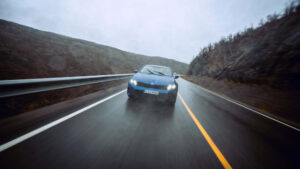
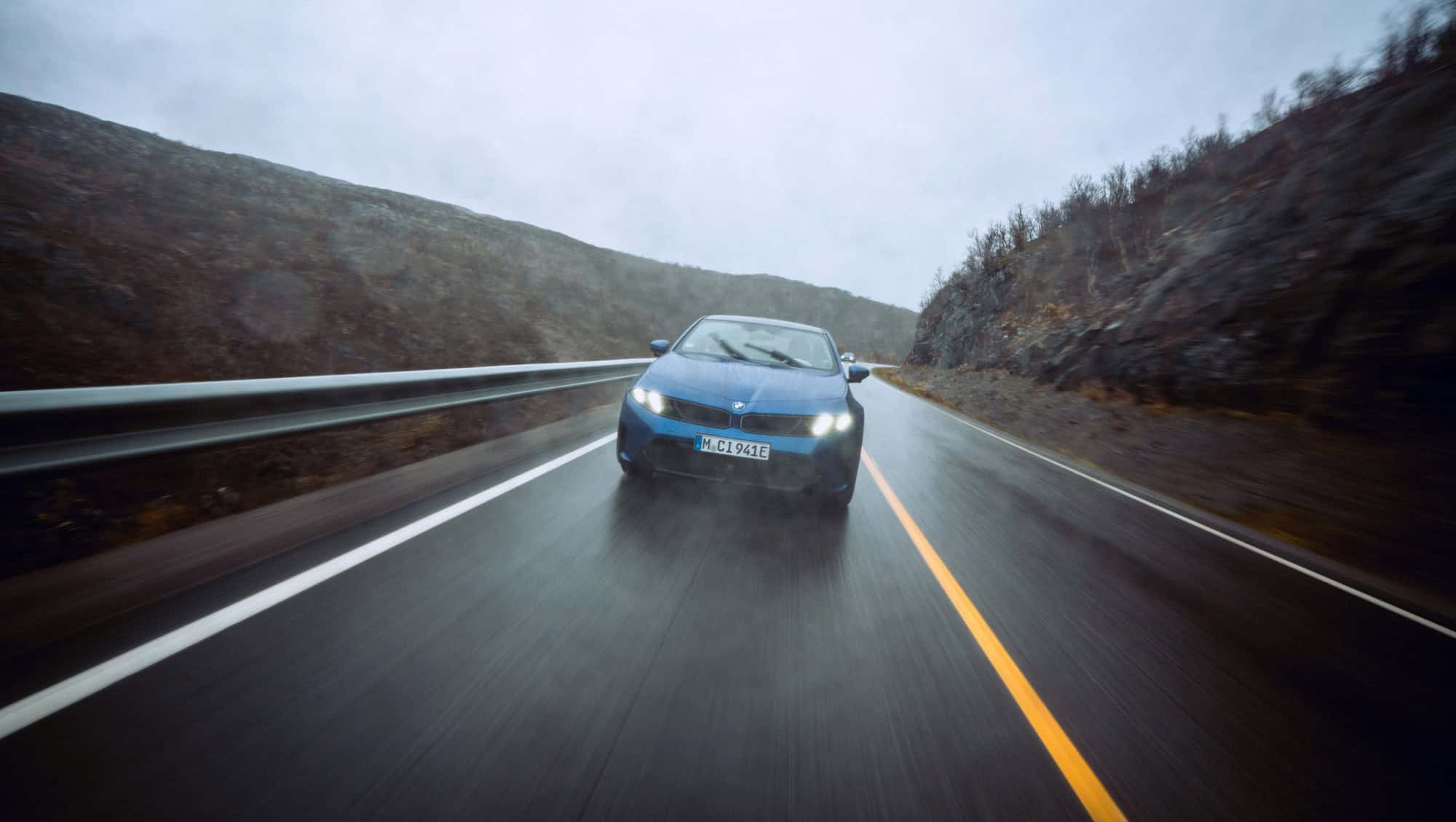
BMW i3 Europe just rewrote the rulebook for long-distance electric travel. The Neue Klasse sedan covered 5,886.7 kilometers from Norway’s North Cape to Spain’s Tarifa with a total charging stop time of 2 hours, 45 minutes and 54 seconds. That is a record, and it lands at a moment when European charging infrastructure finally looks capable of keeping pace.


BMW i3 Europe Efficiency Proves Its Point
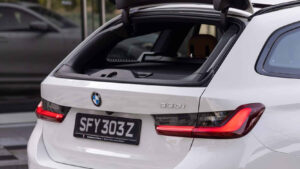
The run formed part of the Paneuropeana challenge, which rewards disciplined planning over outright pace. BMW says its electric sedan beat the previous 2017 benchmark by more than seven hours. The car averaged 12.5 kWh/100 km, comfortably under its WLTP range of 13.4 to 18 kWh/100 km. Anyone following the lineup will recognize the same architecture underpinning the upcoming 2027 BMW i3 Touring, so this trip doubles as a showroom demonstration.
Peak charging at 400 kW grabs the headlines, but the 275 kW average matters more to fleet planners. Sustaining that rate across public stations exposes the 800-volt system to queues, cold weather, and uneven hardware. On paper, the numbers look ideal. In reality, the result depended on a single engineer, two support vehicles, and a route chosen with care.
| ⚙️Engine / Powertrain | Dual-motor electric powertrain, 800V architecture |
| 🐎Power Output | 600 HP (est.) |
| ⚡Peak Torque | 850 Nm (627 lb-ft) (est.) |
| ⏱️0-60 mph (0-100 km/h) | 0-60 mph in 3.8s (est.) |
| 🚀Top Speed | 124 mph (200 km/h) (est.) |
| 🔄Drivetrain / Gearbox | Single-speed reduction gear / AWD |
| 💰Starting Price / Est. | $82,000 (est.) |
Charging Speed Is the Real Battleground
Meanwhile, a China-market long-wheelbase i3 covered 1,213 kilometers on one charge at 8.8 kWh/100 km. Even so, the Europe run answers a different question: how quickly a car can refill during a continent-wide trip. BMW insists the test cars matched dealership hardware and software, which is the detail buyers will care about most.
Business Case Against Rival Electric Sedans
Efficiency sells the story, but pricing will decide the sales volume. Tesla and several Chinese brands are attacking the same premium electric segment with aggressive list prices and rapid model refreshes. Ultimately, BMW needs the Neue Klasse platform to protect margins while matching range headlines. Expect this record to become a marketing pillar rather than a standalone sales engine.
Real-world results will always vary with weather, traffic, and driving style. Still, averaging 12.5 kWh/100 km across nearly 5,900 kilometers is a statement. Early adopters will likely treat this sedan as a benchmark for resale strength. For now, BMW holds the efficiency crown, and rivals must respond. More industry coverage is available at Auto News Magazine.

Liam Campbell
Industry Intelligence & News Editor at Auto News Magazine. Tracking prototype spy shots, Nürburgring development mules, automaker corporate moves, and breaking global automotive scoops.
View all articles by Liam Campbell →