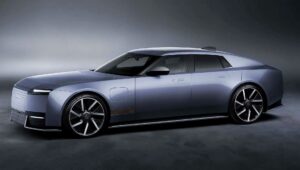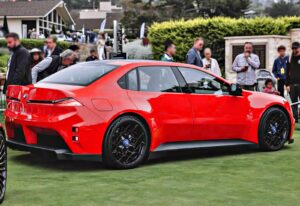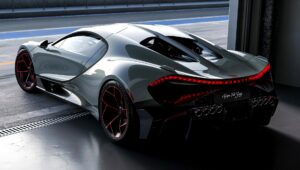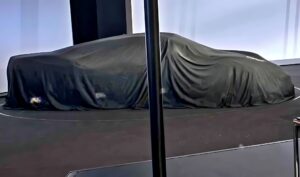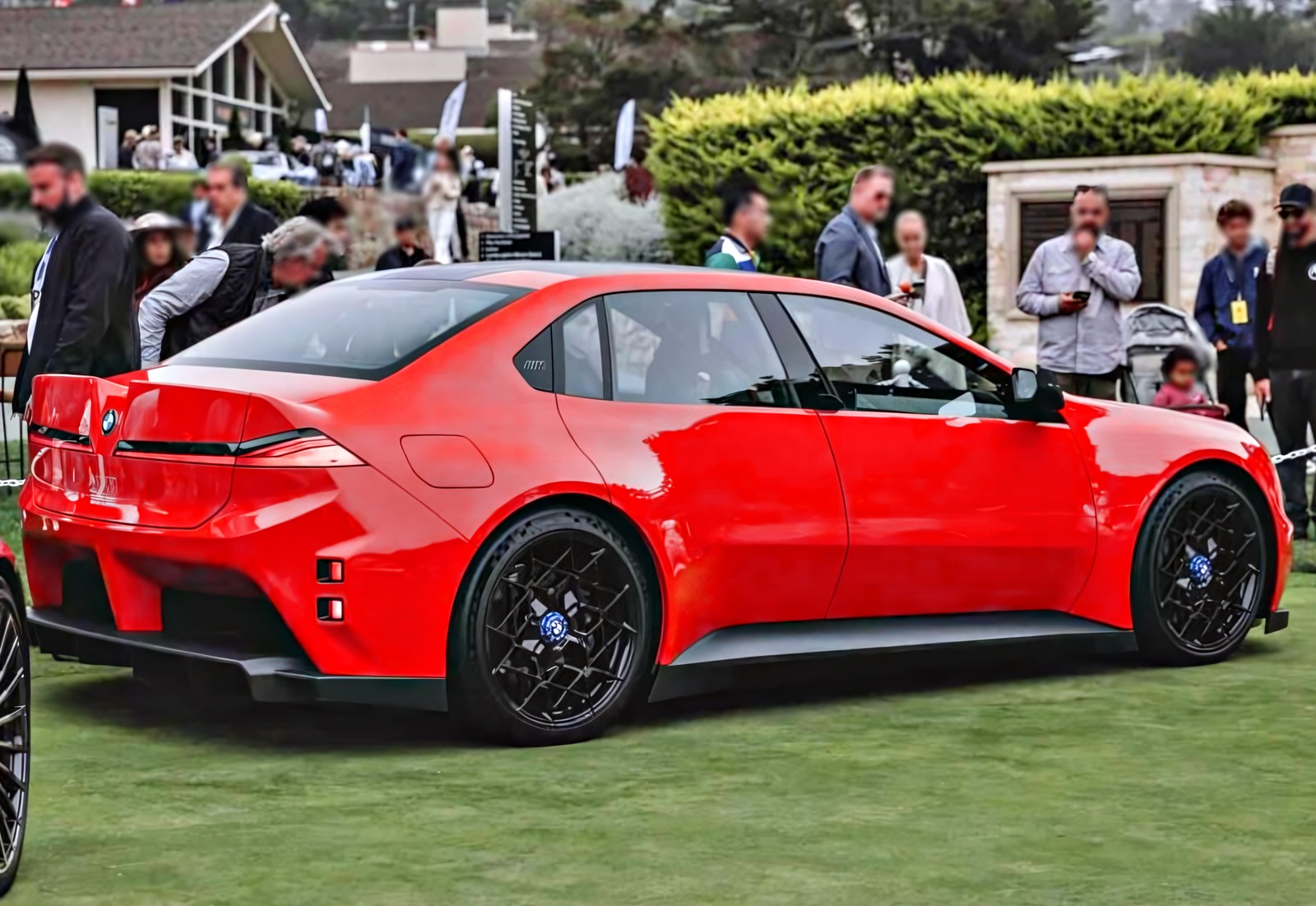
The official debut of the BMW Electric M3 marks a defining milestone. BMW just dropped a conceptual bomb in China. The M Concept Neue Klasse isn’t merely a design exercise—it’s a technical manifesto for distributed electric propulsion. Four independent motors, one bolted to each wheel, operating on an 800-volt electrical architecture. This isn’t incremental EV thinking. This is computational horsepower meeting thermodynamic efficiency at the highest level of performance engineering.


Quad Motors Redefine Traction Control
Here’s where the architecture gets genuinely clever. Traditional dual-motor setups split power between axles. However, the BMW Electric M3 concept eliminates that compromise entirely. Each wheel receives independent torque vectoring, enabling engineers to manage regenerative braking, traction, and handling dynamics with surgical precision at every corner.
Furthermore, this quad-motor topology allows for a front-axle disconnect feature. Drivers can toggle between all-wheel drive and pure rear-wheel drive, fundamentally altering the car’s character. That’s not just a party trick—it’s a fundamental shift in how performance EVs manage energy efficiency and driving dynamics.
| ⚙️Engine / Powertrain | Quad Electric Motors (one per wheel) |
| 🐎Power Output | ~800 HP (est.) |
| ⚡Peak Torque | ~1,000 Nm (est.) |
| ⏱️0-60 mph (0-100 km/h) | 0-60 mph in ~3.0s (est.) |
| 🚀Top Speed | 155+ mph (est.) |
| 🔄Drivetrain / Gearbox | All-Wheel Drive with Front-Axle Disconnect / RWD Mode |
| 💰Starting Price / Est. | $95,000 – $130,000 (est.) |
800V Architecture Crushes Charging Plateaus
The electrical backbone operates at 800 volts, a specification that matters far more than casual enthusiasts realize. Higher voltage systems reduce resistive losses during peak charging and discharge cycles. Translation: faster charging curves, minimal thermal degradation, and sustained power delivery without the phantom battery drain plaguing first-generation EVs.
The 100+ kWh battery uses sixth-generation cylindrical cells optimized specifically for high-performance applications. Critically, the battery housing integrates structurally between the front and rear axles, improving torsional rigidity without adding weight. This is systems-level thinking—every component serves dual purposes.
Design Language Signals M’s Electric Future
Aesthetically, the concept abandons timidity. Wide wheel arches, pronounced shoulders, and a sculpted hood with functional air outlets telegraph aggression. Yellow lighting accents—borrowed from BMW’s M Hybrid V8 endurance racer—will become a signature design trait across future M models.
The rear features a floating diffuser and ducktail spoiler engineered for aerodynamic efficiency. Notably, selected exterior components use natural-fiber composites instead of carbon fiber, reducing environmental footprint without sacrificing stiffness. That’s not greenwashing; that’s material science meeting performance requirements.
Production Timeline And The ICE Holdout
Production of the BMW Electric M3 begins in 2027. However, BMW refuses to abandon combustion entirely. The gasoline-powered G84 M3, equipped with an inline-six engine, arrives in 2028. This dual-powertrain strategy signals confidence in both technologies—at least for the next product cycle.
Therefore, enthusiasts face a genuine choice: embrace the quad-motor, 800V future or commit to traditional ICE performance before the window closes. The current G80 M3 has been extended through mid-2027, providing a final window for combustion loyalists.
According to BMW, the electric M3 represents “the next chapter” for M performance. Ultimately, this concept proves that electrification doesn’t mean neutering performance—it means reimagining it entirely. Four motors, independent torque vectoring, and 800-volt charging architecture don’t compromise M’s DNA. They amplify it.

Julian Hayes
Future Mobility & Technology Editor at Auto News Magazine. Covering the next frontier of electric powertrains, 800V architectures, solid-state battery chemistry, and autonomous vehicle platforms.
View all articles by Julian Hayes →