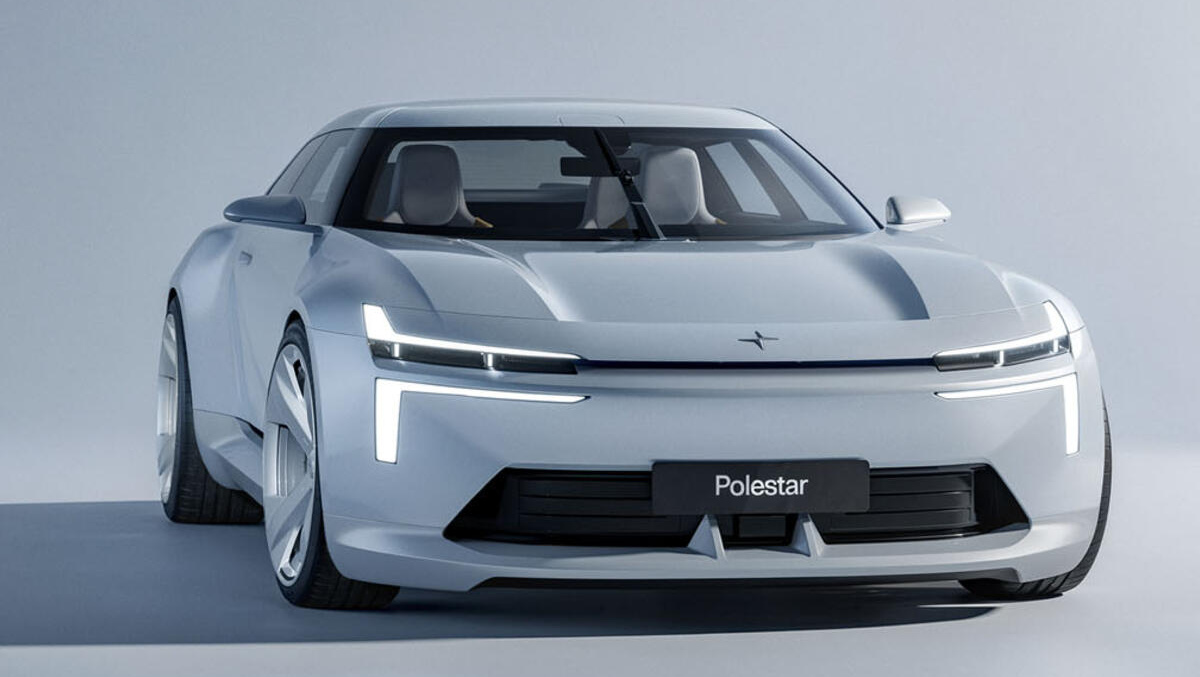
Polestar wants driving pleasure back at the center of its strategy. The new Formula 2030 concept is the clearest signal yet that the brand is serious about sporting intent. For a Polestar 6 Coupe enthusiast, this is a telling shift in direction.


A Sharper Design Ethos Takes Shape
The Formula 2030 is a four-door 2+2 hatchback in the mould of the Polestar 2 family. Its proportions lean toward the Hyundai Ioniq 5 N, and the stance is clearly aimed at drivers rather than families. Still, the concept is a preview, not a production blueprint.
Polestar says the concept sets the tone for a more sporting design ethos across the range. On paper, that means lower visual mass and tighter surfacing. In reality, it signals a brand repositioning itself against performance-focused EV rivals.
Features Destined for the Next Generation
The concept also previews hardware and software bound for forthcoming models. Polestar confirms that elements from Formula 2030 will appear on the next-generation, BMW i3 rival Polestar 2. The all-new Polestar 7 compact SUV is also expected to inherit these ideas.
Even so, Polestar has a credibility problem to solve. The brand has faced questions about pricing, production timing, and volume. A concept can set expectations, but only showroom cars will prove the strategy works.
Can Performance Pay Off for Polestar?
Ultimately, the business case depends on margins. Performance variants carry higher engineering costs, and the EV segment is crowded. Meanwhile, rivals are already pricing aggressively to protect market share.
Still, a credible driver’s car could sharpen Polestar’s identity. Learn more about the brand’s direction on the official Polestar website, and explore our wider coverage on Auto News Magazine. The Formula 2030 is promising, but execution will decide whether it becomes a turning point.

Liam Campbell
Industry Intelligence & News Editor at Auto News Magazine. Tracking prototype spy shots, Nürburgring development mules, automaker corporate moves, and breaking global automotive scoops.
View all articles by Liam Campbell →