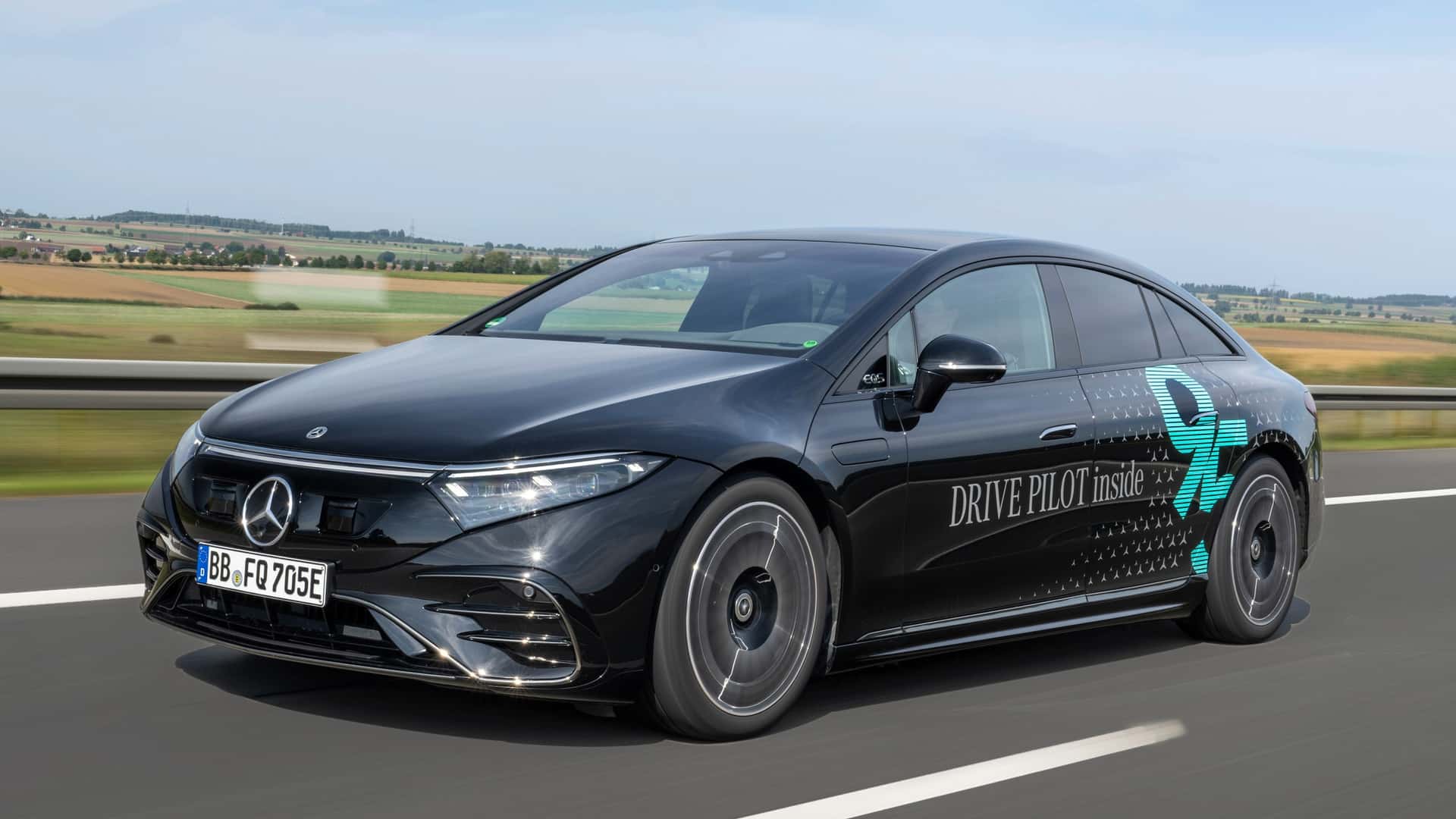
Mercedes Autonomous Driving is entering a new chapter, and it starts with an admission. The brand that brought Level 3 hands-free technology to American roads now says it moved too soon. Speaking with Road & Track, Mercedes-Benz CTO Jörg Burzer made the point plainly: being first is not the same as being right.


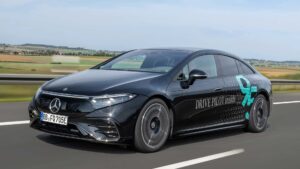
Drive Pilot debuted in 2023 as the first Level 3 system approved for US roads, initially offered on the S-Class and EQS. It let drivers take their eyes off the road, but only up to roughly 40 mph, and only in slow-moving traffic on approved routes. Mercedes’ earlier push is documented in its Level 3 autonomy ambitions, which now look ambitious in hindsight.
Why Mercedes Autonomous Driving Changed Course
On paper, Level 3 sounded like the future. In reality, its restrictions made it useful mostly in crawling traffic. Burzer’s lesson is simple: engineers must chase what drivers actually need, not what looks impressive in a press release.
Still, the admission carries weight. Sometimes a technology must be pushed into the market to reveal its limits. Burzer summed it up: “Sometimes if you are too early, then you see that you have to work on what the customer really wants.”
Level 2 Gets the Spotlight
Mercedes is now doubling down on MB.DRIVE Assist Pro, a Level 2 system built for point-to-point assistance. It handles lane changes, intersections, turns, and traffic lights in both highway and urban settings. Drivers must remain attentive, yet the computational horsepower behind it is far more ambitious.
The updated S-Class reportedly uses as many as 27 sensors to fuse camera, radar, and lidar data into one coherent picture. That sensor density, combined with over-the-air architecture, is what separates this approach from the old Drive Pilot concept. Meanwhile, the company has quietly dropped its own Level 3 successor from the roadmap.
Level 4 Remains a Distant Goal
Rather than iterate on Level 3 again, Burzer says Mercedes will target Level 4, where the vehicle handles every driving task within defined operating conditions. Don’t expect it soon. Burzer estimates production Level 4 models will not reach a Mercedes-Benz showroom until sometime after 2030, and the rollout will likely be gradual.
Ultimately, this retreat looks less like surrender and more like disciplined engineering. For enthusiasts, the real question is whether Level 4 delivers genuine eyes-off freedom on the autobahn, or whether it becomes another cautious compromise. For more coverage of the technologies reshaping how we drive, follow Auto News Magazine.

Julian Hayes
Future Mobility & Technology Editor at Auto News Magazine. Covering the next frontier of electric powertrains, 800V architectures, solid-state battery chemistry, and autonomous vehicle platforms.
View all articles by Julian Hayes →