Porsche 356 SL Identity Puzzle Cracked by Factory Archive Sleuths in Stuttgart
 Liam Campbell
2 minutes read
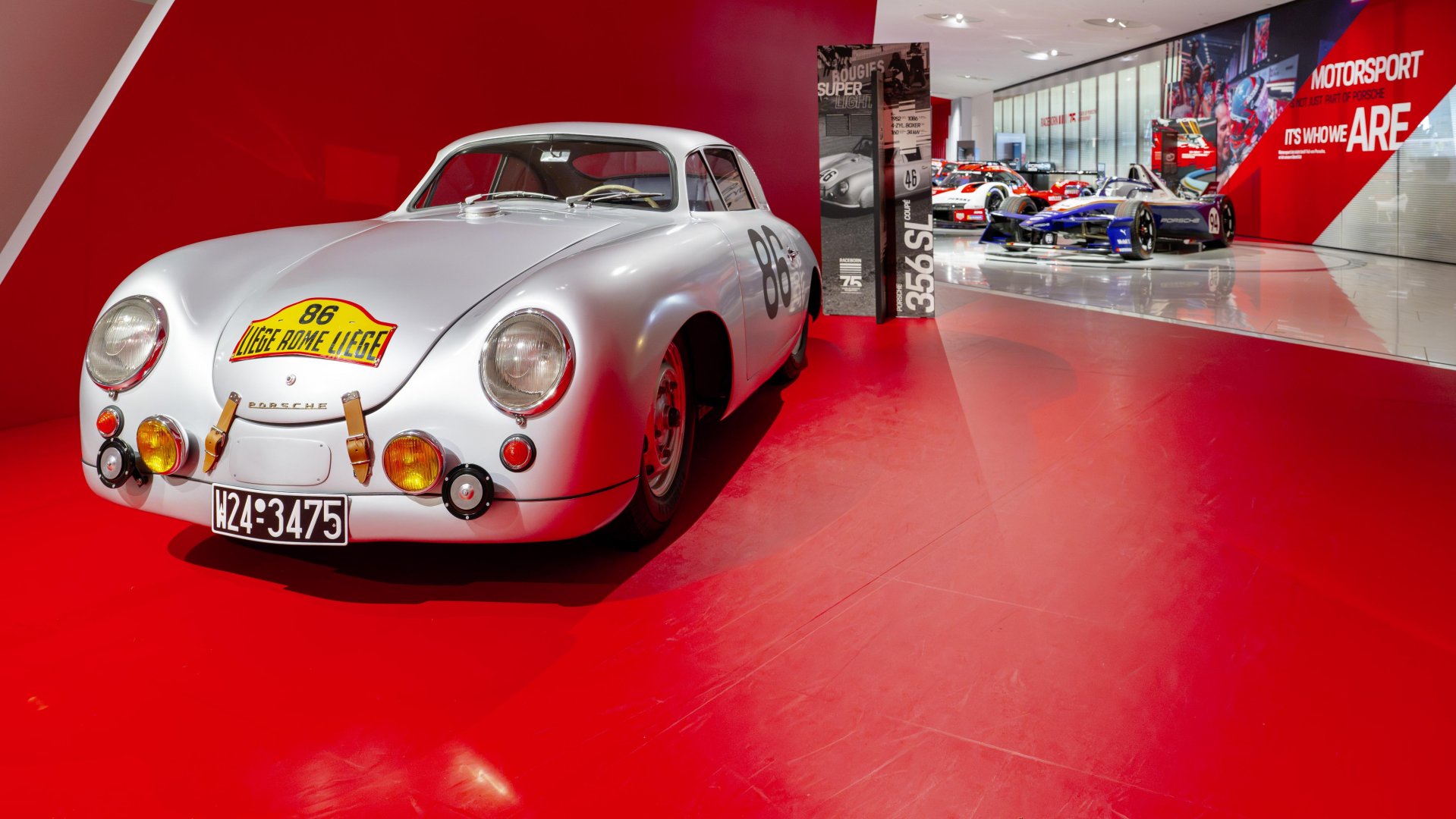
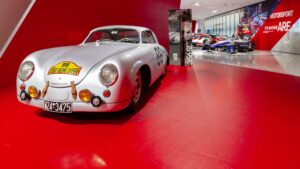
The Porsche 356 SL is the car that started Porsche’s factory racing story. In 1951 it delivered the brand’s first class victory at Le Mans. Seventy-five years on, parts of its early history remain unwritten. Porsche Heritage and Museum has now gone back into the corporate archive to close those gaps.
Porsche 356 SL Origins in 1950
The project began in 1950, when Racing Director Paul von Guilleaume pitched Ferry Porsche on an international race entry. Production in Stuttgart had only just started, so the idea was not yet feasible. Engineers instead reused aluminium bodies left over from the Gmuend era, several built by Tatra in Vienna. According to Porsche, internal files labelled the undertaking Project “514”.
In 1951, five Porsche 356 SL cars were built, and four more followed in 1952. Each car came from a numbered aluminium body. Still, the paperwork tells a messier story than the badge suggests. Enthusiasts who follow the lineage of Porsche’s latest performance halo will recognise how closely the company guards its racing bloodline.
| ⚙️Engine / Powertrain | 1.5L Flat-Four (est.) |
| 🐎Power Output | 110 HP (est.) |
| ⚡Peak Torque | 130 Nm (96 lb-ft) (est.) |
| ⏱️0-60 mph (0-100 km/h) | 0-60 mph in 9.0s (est.) |
| 🚀Top Speed | around 130 mph (209 km/h) (est.) |
| 🔄Drivetrain / Gearbox | 4-Speed Manual / RWD |
| 💰Starting Price / Est. | Not publicly listed, $1,500,000+ (est.) |
Archives Do the Detective Work
Racing engineer Wilhelm Hild’s notebooks documented both the cars and their track appearances. Financial records showed how many bodies remained in stock at key moments. Motorsport registration papers helped pin down when specific chassis numbers were used. Notes from Karl Rabe, one of the 356’s early engineers, added further context.
Photographs sometimes confirmed a car’s identity. Other times, a document answered a question raised by an image. Only by cross-referencing everything could the team determine which vehicle appeared at a given moment. That process is the real story here, and Porsche wants the world to see it.
Six Survivors, One Company Keeper
Six examples survive today, with three in the United States, one in Mexico and one in Belgium. The 1952 car in Porsche’s collection is the only one of the nine that stayed in company hands. Expect collectors to treat that unbroken provenance as gold. Ultimately, the Porsche 356 SL will likely command a premium as the earliest proof of factory racing ambition.
Liam Campbell
Industry Intelligence & News Editor at Auto News Magazine. Tracking prototype spy shots, Nürburgring development mules, automaker corporate moves, and breaking global automotive scoops.
View all articles by Liam Campbell →