McLaren 2027 supercar emerges as the McL 820, bringing Kiwi-branded V8 ferocity
 Marcus Vance
2 minutes read
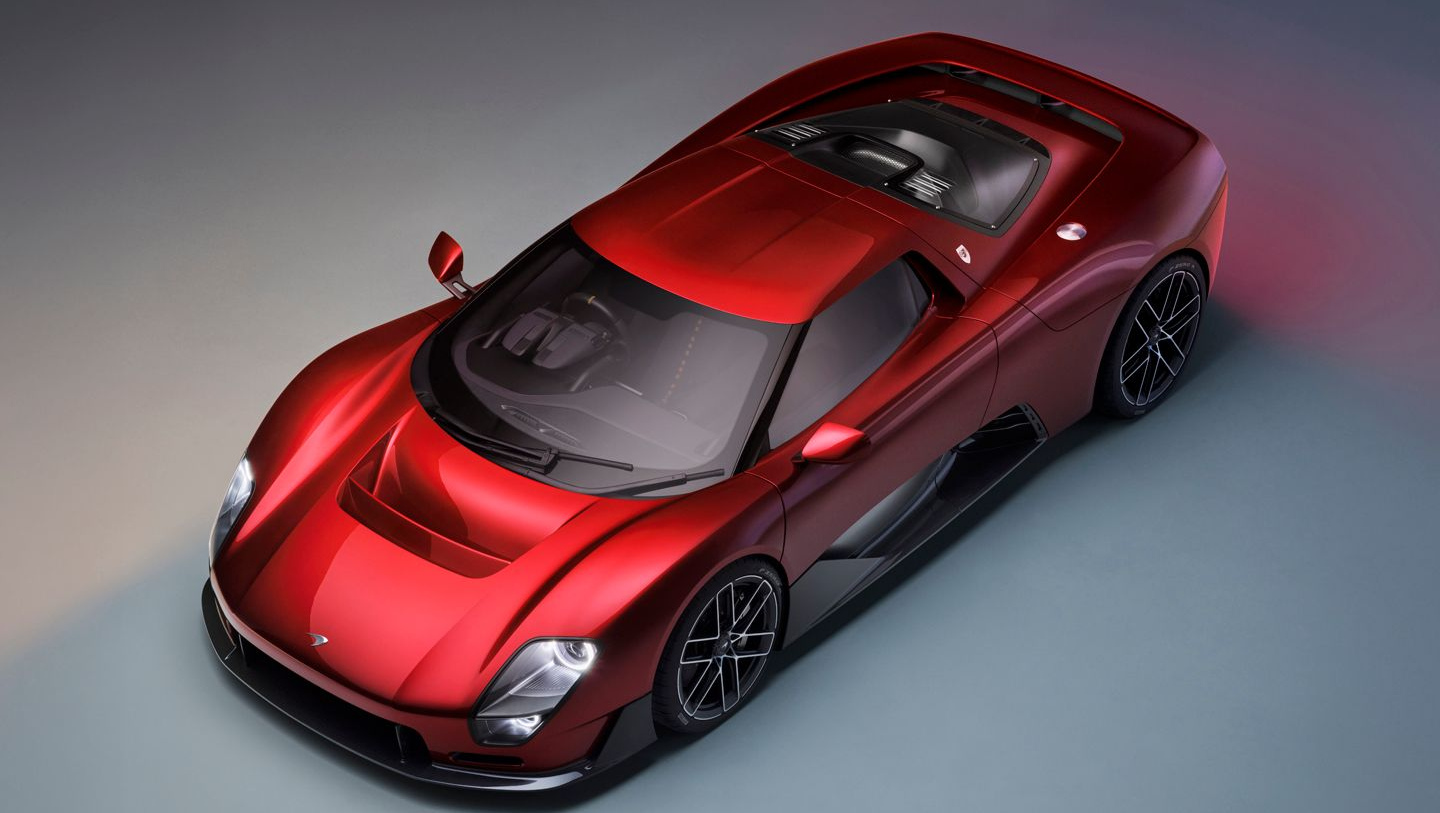
The McLaren 2027 supercar finally has a name, and it was painted on a giant Kiwi. Passersby spotted the McL 820 on a Covent Garden statue, and McLaren confirmed it within 24 hours. It replaces the outgoing 750S as the firm’s flagship.
Decoding the McLaren 2027 supercar Name
The 820 refers to output in PS, which works out to roughly 809 bhp. That is a healthy jump over the 750S. McLaren has spoken openly about its self-built V8, and this car should debut it, lightly hybridised and aimed squarely at Ferrari and Lamborghini’s best. Our earlier analysis of the McL 820 successor already flagged this figure.
On paper, the layout is straightforward. The engine sits amidships, wrapped in the architectural carbon fibre McLaren understands better than anyone. Even so, the real test is chassis composure over mid-corner kerbs, where stiffness and steering feedback separate the great from the merely fast.
| ⚙️Engine / Powertrain | 4.0L Twin-Turbo V8, Lightly Hybridised (est.) |
| 🐎Power Output | 820 PS (approx. 809 bhp) |
| ⚡Peak Torque | 850 Nm (627 lb-ft) (est.) |
| ⏱️0-60 mph (0-100 km/h) | 0-62 mph in 2.7s (est.) |
| 🚀Top Speed | 205 mph (330 km/h) (est.) |
| 🔄Drivetrain / Gearbox | 7-Speed Dual-Clutch / RWD, Mid-Engined |
| 💰Starting Price / Est. | £260,000 (est.) |
Mid-Engine Purity Before the SUV Arrives
With Artura and GT production winding down next year, the McL 820 carries the mid-engined torch. Ultimately, this McLaren 2027 supercar must prove that lightweight construction still matters in a world of heavier machinery. I expect limited variants to command serious money, and early examples should appreciate quickly, much like the 720S before them.
Final Verdict on the Kiwi Supercar
Further details are promised in due course, and McLaren has chosen its message carefully. The McL 820 must deliver biting front-end grip and unflinching lateral Gs to justify its clever name. Learn more at McLaren, and follow Auto News Magazine for the latest technical updates.
Disclaimer: Performance figures and pricing for the McL 820 are estimates based on the official power rating and industry expectations until full specifications are released.
Marcus Vance
Senior Track & Performance Editor at Auto News Magazine. Veteran automotive journalist specializing in chassis dynamics, apex telemetry, track-day specials, and high-revving mechanical purity.
View all articles by Marcus Vance →