Bentley Electric Vehicle Surpasses One Million Kilometers Through Rigorous Global Durability Validation
 Julian Hayes
2 minutes read
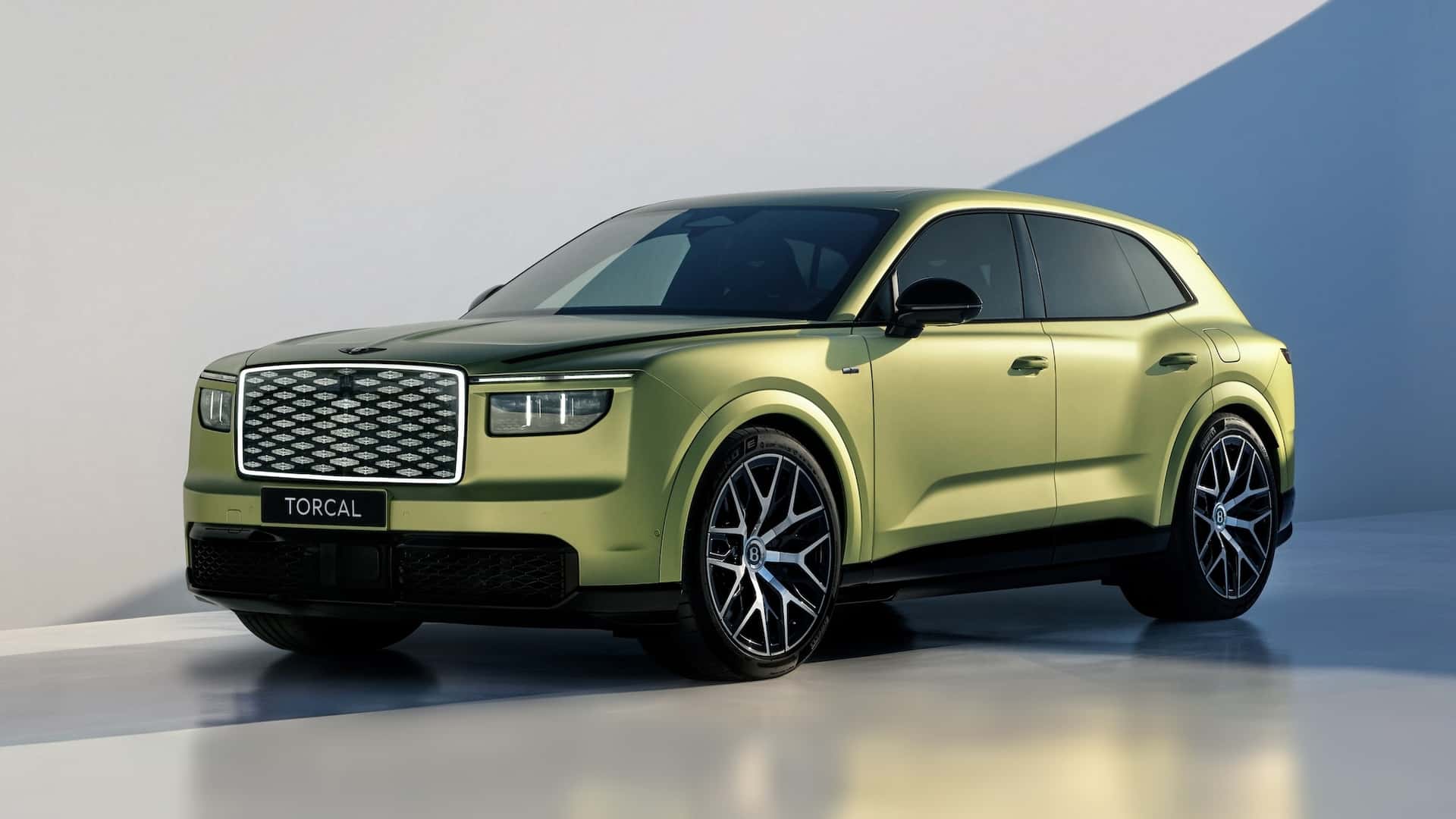
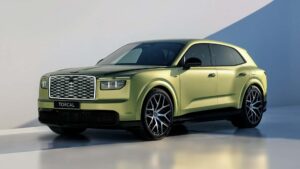
Bentley Electric Vehicle engineers spent years trying to break their first EV before customers could. The Torcal has now logged more than 1,000,000 kilometers (621,000 miles) across some of the harshest climates on the planet. On paper, it is a validation marathon, and in reality it signals an SUV nearly ready for owners.


Bentley Electric Vehicle Validation Marathon
Temperatures swung from minus 36 degrees Fahrenheit in Sweden to above 104 degrees in desert heat. Altitude runs above 14,000 feet at Pikes Peak added another layer of stress. Bentley says the goal is simple: prove the Torcal is ready for real owners.
Compare that tempo with our Torcal First Edition coverage, where 876 horsepower is the headline. Three specialist teams worked in parallel on electrical architecture, software and testing. Software updates arrived every six weeks, each one validated in labs and real vehicles before moving forward.
| ⚙️Engine / Powertrain | Dual-motor electric (est.) |
| 🐎Power Output | 876 HP |
| ⚡Peak Torque | 996 lb-ft (1,350 Nm) |
| ⏱️0-60 mph (0-100 km/h) | 0-60 mph in 3.0s (est.) |
| 🚀Top Speed | 155 mph (250 km/h) (est.) |
| 🔄Drivetrain / Gearbox | Electric AWD, 800V architecture |
| 💰Starting Price / Est. | Not disclosed (est. $200,000+) |
Battery Armor Meets Charging Reality
Beneath the floor, the pack weighs roughly 1,378 pounds and delivers an energy density above 180 Wh/kg. Its 800-volt architecture is rated at 113.3 kWh gross and 109.0 kWh usable. Against a curb mass of roughly 6,162 pounds, that balance matters.
Charging peaks at 400 kW on DC fast chargers, with a claimed 10-to-80 percent session taking 16 minutes. Protection includes a composite impact shield and a two-hour fire-resistance target. Underbody tests also fired a 30-millimeter steel projectile at the casing at speeds over 99 mph.
Why This Valid
Julian Hayes
Future Mobility & Technology Editor at Auto News Magazine. Covering the next frontier of electric powertrains, 800V architectures, solid-state battery chemistry, and autonomous vehicle platforms.
View all articles by Julian Hayes →